
12 Best Ophthalmology Books
The best ophthalmology books, ranked by how many expert sources recommend each one, with notes for students, residents, and clinicians choosing where to start.
Our take
Ophthalmology asks you to connect small visual details with a wide range of diseases, examination techniques, and treatments. The right book depends on whether you are learning your first eye examination, starting residency, revising for an exam, or preparing for surgery. A short introduction and a detailed clinical reference serve different purposes, even when both cover the same conditions.
OphthoBook offers an approachable starting point, while Basic Ophthalmology suits medical students and clinicians who need to assess common complaints and understand referral. Kanski's Clinical Ophthalmology: A Systematic Approach provides a fuller visual foundation. The clinical manuals are easier to consult around patient encounters, while Review of Ophthalmology and Last-Minute Optics: A Concise Review of Optics, Refraction, and Contact Lenses suit focused revision. Surgical and neuro-ophthalmology books become more useful once you have that foundation. Start with the book that matches your current training, and check the edition before relying on clinical guidance.
12 books · 10 sources · Last updated
As an Amazon Associate, we earn from qualifying purchases (at no extra cost to you).
How to choose from this list
Skip to the full rankingIf you're new to eye care: OphthoBook → Basic Ophthalmology
If you're building clinical knowledge: Kanski's Clinical Ophthalmology → Ophthalmology
If you're preparing for examinations: Review of Ophthalmology → Last-Minute Optics
If you're preparing for surgery: Operative Dictations in Ophthalmology → Phacodynamics
The 12 books, ranked
Ranked by how many expert sources name each book. Ties go to the book more people recommend.

For trainees who want a broad clinical foundation in one illustrated volume. Its photographs help connect disease descriptions with examination findings, though specialist questions will still require a more detailed reference.
What it's about
John Salmon presents ophthalmic examination, diagnosis, and management through concise explanations, clinical photographs, diagrams, and tables. Organized by eye structures and disease categories, the textbook connects visual findings with common and rare disorders for trainees and practicing clinicians.

The Wills Eye Manual
Office and Emergency Room Diagnosis and Treatment of Eye Disease
For trainees who need a structured reference during office visits or emergency consultations. Its consistent entries make practical information easy to locate, though a handbook gives less explanation than a full clinical textbook.
What it's about
This portable manual summarizes evaluation, diagnosis, management, and treatment of eye conditions encountered in office and emergency settings. Illustrated entries use a consistent outline format, covering ophthalmic specialties and common procedures for trainees and practicing clinicians.

OphthoBook
For medical students and interns approaching ophthalmology for the first time. Its approachable explanations and cartoons make the basics easier to absorb, though residents will soon need fuller references for clinical detail.
What it's about
Timothy Root introduces ophthalmology for students and other newcomers to eye care. Accessible chapters cover eye history and examination, anatomy, glaucoma, retinal disease, infections, neuro-ophthalmology, pediatric conditions, trauma, optics, and cataracts, with review questions.

Review of Ophthalmology
For residents revising material they have already encountered in clinic. Its outlines and compact facts make it easier to review across subspecialties, but the compressed format is less helpful for learning unfamiliar concepts.
What it's about
This ophthalmology review condenses key concepts across subspecialties into concise bullet points. Clinical and anatomical images, study findings, mnemonic aids, and questions support revision of diagnostic techniques, medical treatments, and surgical options for examinations and professional review.
Basic Ophthalmology
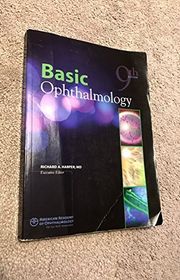
For medical students and primary care clinicians learning to assess common eye complaints. Its emphasis on examination and referral suits general practice, though it does not offer the depth needed for specialist training.
What it's about
This introductory text explains eye examination and common ocular disorders for medical students and general clinicians. It covers visual loss, red eye, injuries, systemic disease, and medication effects, with an emphasis on assessment, management, and referral.

For residents who need a compact refresher before an optics examination. The question-and-answer approach helps reveal gaps in understanding, but its brevity leaves less room for developing the subject from first principles.
What it's about
David Hunter and Constance West review optics, refraction, and contact lenses through a question-and-answer format. Readers can test their understanding before consulting explanations, using the concise presentation to revisit concepts relevant to ophthalmology examinations and clinical work.

The Massachusetts Eye and Ear Infirmary Illustrated Manual of Ophthalmology
For students and residents who prefer an illustrated clinical manual organized around eye anatomy. Its photographs support recognition of examination findings, though readers who already use Wills may find considerable overlap.
What it's about
This illustrated manual covers eye disorders encountered in clinics and emergency settings. Organized by anatomical region, it brings together clinical findings, differential diagnoses, traumatic injuries, and management guidance, with photographs and figures supporting recognition of disease.

Operative Dictations in Ophthalmology
For surgical trainees preparing for an operation and documenting it afterward. Its procedural steps and sample dictations link preparation with record keeping, but reading cannot replace supervised practice or instruction in technique.
What it's about
This surgical reference reviews ophthalmic operations through procedural steps, indications, potential complications, and sample operative dictations. Its case-based format supports preparation for surgery and subsequent documentation, covering procedures across the eye's major anatomical regions.
Ophthalmology
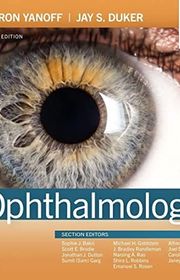
For residents and clinicians wanting a substantial reference across ophthalmic subspecialties. Its structured chapters combine clinical detail with extensive illustrations, though the size and depth make it less convenient for rapid consultation during a busy clinic.
What it's about
Myron Yanoff and Jay Duker bring together coverage of common and rare ophthalmic disorders in a single reference. Chapters address diagnosis, treatment, procedures, and relevant science across subspecialties, supported by clinical illustrations and surgical material.

For cataract trainees who want to understand how phacoemulsification equipment and technique interact. Its narrow surgical focus offers more depth than a general textbook, though equipment details should be checked against the systems used today.
What it's about
Barry Seibel examines the tools and techniques of phacoemulsification surgery. The book connects cataract surgical maneuvers with equipment behavior, helping trainees understand how the technology works and how it influences decisions made during an operation.

Reflections of a Pupil
What Your Med School and Ophthalmology Textbooks Can’t Teach You
For trainees looking for perspective on mentorship, professionalism, and the human side of practice. Its short reflections fit around clinical work, though it offers personal lessons rather than systematic instruction in ophthalmic disease.
What it's about
R. Rishi Gupta uses anecdotes and short case stories to explore lessons from medical training and ophthalmology practice. Topics include mentorship, communication, professionalism, resilience, ethics, lifelong learning, and balancing the clinical and interpersonal demands of being a physician.

For readers focusing on visual pathways, pupils, and eye movements after learning general ophthalmology. Its single-volume scope is easier to navigate than an extensive reference, though its specialist focus makes it a poor first introduction.
What it's about
This single-volume reference summarizes clinical neuro-ophthalmology, including the visual pathways, pupils, eye movements, eyelids, and non-organic disorders. Examination guidance, ancillary testing, diagrams, and imaging correlations support evaluation and management of neurological conditions affecting vision.
Sources
- 1
Suggested Reading List & Exam Topics - Ophthalmology Foundation
ophthalmologyfoundation.org
- 2
Recommended Ophthalmology Books
eyesurgeon.sg
- 3
Ocular Textbooks (17 books)
goodreads.com
- 4
Ophtalmology Book: help!!
reddit.com
- 5
Must-Have Books for the Beginning Ophthalmologist - Glaucoma Today
glaucomatoday.com
- 6
MillennialEYE | Seven Must-Have Books for the Beginning Ophthalmologist
millennialeye.com
- 7
Career Development -- Ophthalmology | Tulane School of Medicine
medicine.tulane.edu
- 8
Top Ten Books for Ophthalmology Residents - ShortWhiteCoats.com
shortwhitecoats.com
- 9
Ophthalmology Resources for Medical Students and Residents - EyeGuru
eyeguru.org
- 10
Ophthalmology: Home
guides.lib.uiowa.edu






Edited by
Software engineer whose passion for tracking book recommendations from podcasts inspired the creation of MRB.
Lead investor at 3one4 Capital whose startup expertise and love for books helped shape MRB and its growth.
Comments
Spotted a missing book, a wrong order or a mistake? Tell us and we'll fix this page.
We're a reading guide, not the author or publisher, so we can't send books or pass on messages.