
10 Best Pastry Books
The best pastry books, ranked by how many expert sources recommend each one, with notes for home bakers, culinary students, and experienced dessert makers.
Our take
Pastry books range from visual home-baking lessons to professional references built around formulas and production methods. A useful first book shows how doughs, creams, and fillings behave before combining them into finished desserts. More advanced volumes develop flavor, texture, and presentation, often assuming equipment, ingredients, and working space that a home kitchen may not have. Choosing the right level matters as much as choosing the recipes you want to make.
For photographed French pastry instruction, start with Patisserie or The Art of French Pastry. French Patisserie offers another substantial technique reference. How Baking Works explains the science behind results, while Advanced Bread and Pastry takes a more professional approach to formulas and methods. Once you have the basics, Pierre Hermé Pastries and The Elements of Dessert offer ideas for interpretation and composition. Start with one foundational technique, practice it across several recipes, and move to elaborate projects when the components feel familiar.
10 books · 7 sources · Last updated
As an Amazon Associate, we earn from qualifying purchases (at no extra cost to you).
How to choose from this list
Skip to the full rankingIf you want photographed instruction: Patisserie → The Art of French Pastry
If you want another broad French reference: French Patisserie
If you want to understand baking science: How Baking Works
If you're studying professional methods: Advanced Bread and Pastry
If you want creative dessert composition: Pierre Hermé Pastries → The Elements of Dessert
If you want to specialize in macarons: Pierre Hermé Macarons
The 10 books, ranked
Ranked by how many expert sources name each book. Ties go to the book more people recommend.

For home bakers who want to see French pastry methods broken into photographed stages. The visual sequence helps make unfamiliar techniques concrete, though the breadth and multi-component recipes still demand time, accurate measuring, and repeated practice.
What it's about
Christophe Felder introduces French pastry through recipes illustrated with step-by-step photographs. Basic creams, doughs, and ganaches lead into more complex creations, while sections on decoration, sauces, syrups, and fillings help readers build a repertoire of techniques.

Advanced Bread and Pastry
For experienced bakers or students who want formulas connected with professional methods and troubleshooting. Its technical explanations give it more depth than a home recipe collection, though production quantities and equipment assumptions require adaptation in a domestic kitchen.
What it's about
Michel Suas presents professional baking concepts, techniques, and formulas for bread, viennoiserie, and pastry. Illustrated explanations and troubleshooting guidance connect traditional methods with contemporary ingredients and presentation, giving bakers a foundation for understanding and adapting recipes.
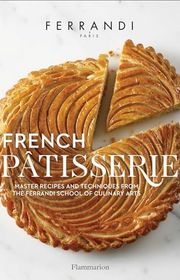
French Patisserie: Master Recipes and Techniques from the Ferrandi School of Culinary Arts
For bakers who want a substantial visual reference spanning fundamental methods and more elaborate French pastries. The school-based organization supports progressive study, though the size and number of preparations can overwhelm readers who want a small introductory repertoire.
What it's about
The Ferrandi culinary school presents French pastry techniques through step-by-step photographs and recipes. Foundational doughs, creams, and other components lead into classic desserts and more elaborate creations, with guidance on equipment, ingredients, and execution.
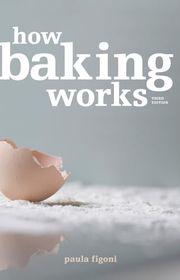
How Baking Works: Exploring the Fundamentals of Baking Science
For bakers who want to understand why ingredients and processes change the result. The science-focused explanations help investigate failures and adapt recipes, though it is a study text with exercises rather than a collection of finished pastry projects.
What it's about
Paula Figoni explains the science behind baking ingredients and methods, including flour, fats, sugars, eggs, and leavening. Illustrations, exercises, and experiments connect changes in a formula or process with the texture, structure, and appearance of baked goods.

For bakers who want to concentrate on macarons after learning basic pastry methods. The focused treatment gives more room to flavor combinations than a general collection, though this demanding specialty rewards precision and leaves most other pastry skills outside its scope.
What it's about
Pierre Hermé presents more than sixty macaron recipes, ranging from chocolate and vanilla to combinations such as strawberry and wasabi. Photographs, kitchen guidance, and step-by-step instructions explain the techniques behind both familiar flavors and his experimental creations.

Pierre Hermé Pastries
For bakers interested in how classic desserts can be reinterpreted through flavor and texture. The pairing of tradition with variation encourages experimentation, though it works better with some technical confidence than as a first course in pastry.
What it's about
Pierre Hermé pairs the histories and recipes of fifty classic desserts with his own reinterpretations. Photographs accompany preparations that experiment with texture and flavor, including croissants and Saint-Honoré, in a collection combining traditional techniques with new combinations.

For home bakers who want French pastry taught through foundational methods and explanations of ingredients. The instructional approach supports building skills across recipes, though detailed preparations and component work make it a project book rather than a source of quick desserts.
What it's about
Jacquy Pfeiffer and Martha Rose Shulman teach French pastry through foundational techniques and explanations of how ingredients behave. Recipes, photographs, and illustrations move from doughs and pastry cream toward classics such as éclairs, croissants, and macarons.

The Elements of Dessert
For advanced bakers who want to move from individual components to composed desserts. Its attention to structure and presentation provides creative direction beyond traditional recipes, though specialized techniques and equipment make many projects demanding outside a professional kitchen.
What it's about
Francisco Migoya explains dessert creation through basic components such as mousses, doughs, and ganaches. Recipes and photographs develop these foundations into plated desserts, buffets, cakes, and petits fours, with discussions of composition and menu planning.

For advanced readers seeking a professional reference and ideas for composing desserts. The ingredient-led range offers a different way to browse than a basic course, though ambitious preparations and the large format make it less convenient for everyday home baking.
What it's about
Alain Ducasse and Frédéric Robert present desserts, pastries, candies, and frozen sweets in a collection organized by main ingredient. Photographs and cross-sectional drawings accompany recipes ranging from French classics to international desserts and more experimental creations.

For home bakers who want a bakery’s repertoire of pastries and other sweets in one collection. The revised recipes and broader ingredient approaches provide variety, though it is a recipe-led book rather than a systematic professional pastry curriculum.
What it's about
Elisabeth Prueitt and Chad Robertson revisit Tartine Bakery's original cookbook with new recipes and revised favorites. Photographs accompany pastries and other baked goods, while whole-grain and gluten-free variations expand the collection's approaches to familiar techniques and ingredients.
Sources
- 1
7 Best Pastry Arts Books According to Professional Chefs
escoffier.edu
- 2
10 Pastry Chefs on Their Essential French Pastry Books
nymag.com
- 3
The Best French Pastry Cookbooks of all Time
leoncechenal.com
- 4
The best pastry books of all time (chosen by pastry authors)
bookdna.com
- 5
Good Book for Getting Into French Patisserie?
reddit.com
- 6
Trying to find books on pastry techniques
reddit.com
- 7
Pastry Books
goodreads.com









Edited by
Software engineer whose passion for tracking book recommendations from podcasts inspired the creation of MRB.
Lead investor at 3one4 Capital whose startup expertise and love for books helped shape MRB and its growth.
Comments
Spotted a missing book, a wrong order or a mistake? Tell us and we'll fix this page.
We're a reading guide, not the author or publisher, so we can't send books or pass on messages.