
19 Best Pagan Books
The best Pagan books, ranked by how many expert sources recommend each one, with notes on who each suits and where to start exploring beliefs and practice.
Our take
Paganism includes many religious paths, with different views of gods, nature, ritual, and community. A book on solitary Wicca will answer different questions from a history of modern witchcraft or a philosophical defense of polytheism. Choosing a useful starting point means deciding whether you want to understand a movement, explore beliefs, or begin a particular practice.
Paganism and The Path of Paganism offer broad introductions with room for personal reflection. Drawing Down the Moon introduces communities through reporting, while The Triumph of the Moon examines historical development. Readers drawn to Wicca can begin with Wicca for Beginners or Wicca, then explore more detailed ritual work. Other books focus on Druidism, Norse religion, Goddess spirituality, prayer, or poetry. Treat each author's perspective as one approach within a diverse field. Start with a broad introduction if you have not yet identified the tradition or questions you want to study.
19 books · 7 sources · Last updated
As an Amazon Associate, we earn from qualifying purchases (at no extra cost to you).
How to choose from this list
Skip to the full rankingIf you're exploring Pagan beliefs: Paganism → The Path of Paganism
If you want historical context: Drawing Down the Moon → The Triumph of the Moon
If you're beginning solitary Wicca: Wicca for Beginners → Wicca
If you want to explore polytheist theology: A World Full of Gods
If you want a devotional practice: A Book of Pagan Prayer
If you're drawn to Norse Paganism: Essential Asatru
The 19 books, ranked
Ranked by how many expert sources name each book. Ties go to the book more people recommend.
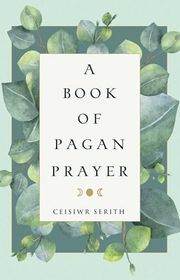
A Book of Pagan Prayer
For readers who want words and structures for regular devotion. Its prayers and guidance on composing your own fill a practical gap left by broad introductions, though the range of traditions requires choosing what fits your beliefs.
What it's about
Ceisiwr Serith gathers Pagan prayers for different deities, occasions, and stages of life. Alongside ready-to-use texts, he explains ways to develop personal prayers and think about the place of devotion within a religious practice.

Drawing Down the Moon
Witches, Druids, Goddess-Worshippers, and Other Pagans in America
For readers who want to meet modern Pagan communities before choosing a practice. Its interviews give a broader social picture than a ritual handbook, though its American focus and earlier reporting limit its coverage of today's movement.
What it's about
Margot Adler investigates modern Pagan communities in America through interviews, historical research, and participation in rituals. She explores varied beliefs and practices, examining how witches, Druids, and other groups draw on nature, mythology, and older religious traditions.

For newcomers who want to explore beliefs and ethics before committing to one tradition. Exercises make it more participatory than a historical survey, though its broad earth-centered approach cannot represent every Pagan religion equally.
What it's about
River and Joyce Higginbotham introduce Pagan beliefs, ethics, ritual practices, and the sacred year. Based on their teaching course, the book includes meditations, exercises, and discussion questions designed for readers studying earth-centered religions independently or in a group.
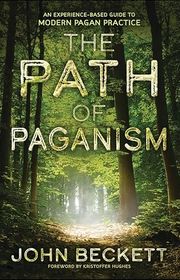
The Path of Paganism
For readers who want to connect Pagan ideas with choices and regular practice. Its emphasis on lived experience complements a general introduction, though it asks you to reflect and experiment rather than follow one fixed tradition.
What it's about
John Beckett explores Pagan identity through relationships with gods, nature, community, and the self. Reflections and practical exercises invite readers to examine their assumptions, clarify their values, and develop a spiritual practice within everyday life.

For readers who want historical evidence about the development of modern witchcraft. Its attention to British cultural influences provides context missing from practical manuals, though the detailed scholarship requires patience and does not teach ritual practice.
What it's about
Ronald Hutton traces the development of modern Pagan witchcraft through British attitudes toward magic and religion since 1800. His history examines influences ranging from village practitioners and Victorian ritual magicians to folklore, archaeology, secret societies, and modern religious movements.

For newcomers specifically interested in practicing Wicca alone. Its accessible exercises and personal ritual framework make an approachable starting point, though its Goddess-and-God theology will not fit every Pagan or polytheist reader.
What it's about
Scott Cunningham introduces Wicca as a nature-oriented religion centered on the Goddess and God. Written for solitary practice, the guide combines explanations of beliefs and tools with exercises, seasonal rituals, and his own Standing Stones Book of Shadows.

For readers who want to think through belief in many gods. Its philosophical focus addresses questions that introductory ritual books often leave aside, though it offers argument and reflection rather than a step-by-step practice course.
What it's about
John Michael Greer explores polytheism as a religious and philosophical position. His inquiry examines belief in multiple deities, considering its implications for theology and religious experience while placing it in dialogue with arguments associated with monotheism and atheism.

Buckland's Complete Book of Witchcraft
For beginners who like lessons, exercises, and questions to track their progress. The workbook structure provides more direction than a collection of reflections, though its approach to witchcraft is not a survey of Pagan religions.
What it's about
Raymond Buckland organizes witchcraft instruction as a workbook for independent students and coven members. Lessons cover beliefs, ritual, magical tools, meditation, and divination, with questions at the end of each lesson to help readers document their learning and practice.

For readers drawn to Goddess spirituality and feminist witchcraft. Its combination of reflection and ritual offers a distinctive personal approach, though that perspective should not be treated as a description of all Pagan traditions.
What it's about
Starhawk introduces the beliefs and practices of Goddess-centered witchcraft, combining spiritual philosophy with guidance for personal practice. The book explores inner power and ways to connect mind, body, and spirit through this religious tradition.

For readers interested in traditional Wiccan ritual and coven practice. Its detailed ceremonies offer more structure than an eclectic introduction, though the group setting and particular tradition make parts less useful to solitary beginners.
What it's about
Janet and Stewart Farrar combine ritual instruction with guidance on Wiccan practice and coven life. Their handbook covers seasonal Sabbats, circle ceremonies, initiation, ritual tools, and other rites, explaining the beliefs and procedures underlying their approach to witchcraft.

For readers who want a large reference to consult while developing an individual witchcraft practice. Its range encourages exploration, though the encyclopedic format gives less direction than a carefully sequenced introductory course.
What it's about
Silver RavenWolf offers a reference guide to witchcraft for readers developing an individual practice. Historical and religious discussion accompanies information on magical objects, ritual and folk magic, and everyday spiritual activities, combining instructional material with an encyclopedic approach.

For beginners who enjoy personal anecdotes mixed with exercises in visualization and ritual preparation. Its conversational approach can feel welcoming, though readers wanting a systematic comparison of Pagan traditions will need a broader introduction.
What it's about
Silver RavenWolf introduces witchcraft through explanations of spiritual practice and personal anecdotes. Exercises involving meditation, visualization, dream work, and ritual preparation help newcomers develop their own approach, with guidance on sacred space, divination, and keeping a record of practice.

For beginners who want Wiccan beliefs explained before moving into practical work. Its progression through foundational techniques gives useful structure, though readers already comfortable with meditation and ritual may find the early material elementary.
What it's about
Thea Sabin introduces Wiccan philosophy, culture, and beliefs before progressing into practical exercises. Grounding, visualization, meditation, and related techniques form the foundation for her explanations of ritual and spellwork, giving beginners a structured route into the religion.

Bonewits's Essential Guide to Druidism
For readers curious about how modern Druid movements relate to older evidence and later revivals. Its historical distinctions provide useful orientation, though the breadth makes it less focused than a dedicated course in daily practice.
What it's about
Isaac Bonewits examines Druidism from ancient evidence and mythology through later revivals and modern religious practice. He distinguishes different historical and contemporary movements, discussing theology, ritual, prayer, and the development of Druid communities in Britain and America.

For newcomers drawn to Norse Pagan religion and its modern communities. Its attention to ethics, ritual, and everyday practice offers a practical introduction, though one author's account cannot capture every form of contemporary Heathenry.
What it's about
An introduction to modern Heathen practice and Northern Pagan religion. Paxson explains core beliefs, ethics, rituals, community life, and the practical questions newcomers may face when bringing Asatru into daily life.

Evolutionary Witchcraft
For readers prepared to develop a regular practice through movement, reflection, and ceremony. Its sustained course offers more continuity than a reference handbook, though it asks for considerable time and engagement with the author's particular approach.
What it's about
T. Thorn Coyle presents witchcraft as a course of personal and spiritual development. Designed to support ten months of practice, the book combines movement, intention, spells, and ceremony with exercises intended to bring the work into everyday life.

For readers who want devotional language and poetry alongside practical study. Valiente's verse offers a more personal encounter with witchcraft than an instructional manual, though it cannot replace an introduction to beliefs or ritual.
What it's about
This collection brings together Doreen Valiente's poetry, including the title piece and previously unpublished work. More than eighty poems explore witchcraft, spiritual experience, seasonal change, and humor, offering another perspective on the ideas expressed in her prose writings.

For readers interested in an imaginative retelling of Arthurian legend through women's religious and political lives. It offers fiction rather than instruction, so its portrayal of Avalon should not be read as evidence about historical Paganism.
What it's about
The Arthurian legend is retold through Morgaine, Gwenhwyfar, Viviane, and other women whose lives shape Camelot's rise and fall. Faith, desire, political power, and the fading of Avalon drive this sweeping saga.

When God Was a Woman
For readers interested in the development of feminist Goddess spirituality. Its argument connects religious imagery with women's social position, though its sweeping historical interpretation needs to be read critically alongside more recent scholarship.
What it's about
Merlin Stone examines ancient goddess worship and its relationship to women's social position. Drawing on archaeological material and religious texts, she argues that the displacement of female deities by patriarchal religious systems contributed to a decline in women's status.
Sources
- 1
100 Best Paganism Books of All Time (Updated for 2026)
shortform.com
- 2
r/pagan book recommendations - reddit reads
redditreads.com
- 3
The best 28 Paganism books
blinkist.com
- 4
Contemporary Paganism
reddit.com
- 5
The Best Pagan Books
goodreads.com
- 6
Recommended Reading
deborahlipp.com
- 7
Pagan book recommendations for a semi-newbie
reddit.com


Edited by
Software engineer whose passion for tracking book recommendations from podcasts inspired the creation of MRB.
Lead investor at 3one4 Capital whose startup expertise and love for books helped shape MRB and its growth.
Comments
Spotted a missing book, a wrong order or a mistake? Tell us and we'll fix this page.
We're a reading guide, not the author or publisher, so we can't send books or pass on messages.