
9 Best Witchcraft Books
The best witchcraft books, ranked by how many expert sources recommend each one, with notes on beginner guides, Wiccan practice, history, and where to start.
Our take
Witchcraft books approach their subject from several directions. Some are written by practitioners who explain rituals, beliefs, and personal spiritual work. Others investigate the history of modern Pagan religions or describe the communities that practice them. Wicca is one religious tradition within this wider landscape, so a Wiccan handbook will not represent every approach to witchcraft.
For an introduction to solitary Wicca, Scott Cunningham’s guide explains a particular set of beliefs and rituals. Traditional Wicca instead addresses seekers considering coven training. The Green Witch focuses on nature-centered practice, while Psychic Witch emphasizes meditation and visualization. The Spiral Dance connects ritual with feminist spirituality. If you want to understand how modern traditions developed, The Triumph of the Moon offers historical research, and Drawing Down the Moon provides a portrait of American Pagan communities. Start with the history for context, or choose a practitioner’s guide whose stated tradition matches your interests.
9 books · 5 sources · Last updated
As an Amazon Associate, we earn from qualifying purchases (at no extra cost to you).
How to choose from this list
Skip to the full rankingIf you want historical context: The Triumph of the Moon
If you’re considering coven membership: Traditional Wicca
If you want nature-centered practice: The Green Witch
If you prefer meditation exercises: Psychic Witch
If you’re interested in feminist spirituality: The Spiral Dance
If you want a structured introductory course: Buckland's Complete Book of Witchcraft
The 9 books, ranked
Ranked by how many expert sources name each book. Ties go to the book more people recommend.
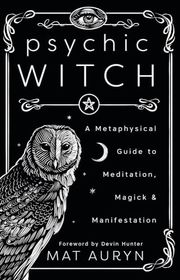
Psychic Witch
For readers who prefer sequenced meditation and visualization exercises to collecting spells. Auryn offers a more sustained inner-practice curriculum than the general guides, though its psychic framework rests on spiritual beliefs rather than established scientific evidence.
What it's about
Mat Auryn connects meditation, visualization, and awareness exercises with his approach to witchcraft. The book organizes practical exercises into a progression intended to develop the inner skills and spiritual sensitivities central to his magical practice.

For readers who want historical research into modern Pagan witchcraft’s development. Hutton offers a stronger documentary framework than practitioner manuals, though its British emphasis and scholarly detail make it less immediately accessible than a beginner’s guide.
What it's about
Ronald Hutton traces the development of modern Pagan witchcraft through British attitudes toward magic and religion since 1800. His history examines influences ranging from village practitioners and Victorian ritual magicians to folklore, archaeology, secret societies, and modern religious movements.

Buckland's Complete Book of Witchcraft
For readers who want a broad lesson-based introduction with exercises and review questions. Its course format is more systematic than the intuitive guides, though its older terminology and particular Wiccan perspective do not represent all witchcraft traditions.
What it's about
Raymond Buckland organizes witchcraft instruction as a workbook for independent students and coven members. Lessons cover beliefs, ritual, magical tools, meditation, and divination, with questions at the end of each lesson to help readers document their learning and practice.

Drawing Down the Moon
Witches, Druids, Goddess-Worshippers, and Other Pagans in America
For readers who want to understand modern Pagan communities before choosing a practice. Adler’s interviews offer a broader social portrait than the instructional guides, though the American focus and earlier fieldwork limit its coverage of today’s scene.
What it's about
Margot Adler investigates modern Pagan communities in America through interviews, historical research, and participation in rituals. She explores varied beliefs and practices, examining how witches, Druids, and other groups draw on nature, mythology, and older religious traditions.
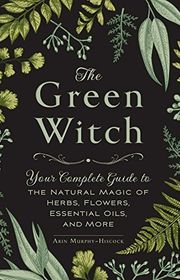
The Green Witch
For readers drawn to nature-centered spiritual practice and household rituals. The focus on plants and seasonal awareness is more specific than the general introductions, though it is a spiritual guide rather than a botanical or medical reference.
What it's about
Arin Murphy-Hiscock presents a nature-centered approach to witchcraft through plants, natural materials, and everyday rituals. The guide discusses personal spiritual practice, seasonal awareness, and ways of creating a relationship with the surrounding environment.

For readers interested in feminist spirituality, group ritual, and the ideas behind modern Goddess practice. Its combination of politics and ritual distinguishes it from solitary handbooks, though the original historical claims need reading alongside later scholarship.
What it's about
Starhawk introduces the beliefs and practices of Goddess-centered witchcraft, combining spiritual philosophy with guidance for personal practice. The book explores inner power and ways to connect mind, body, and spirit through this religious tradition.
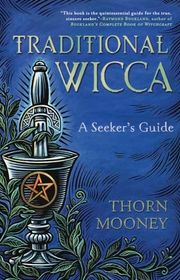
Traditional Wicca
For seekers considering an initiatory coven rather than entirely solitary practice. Mooney explains group expectations and finding a community more directly than the spell manuals, though the focus is deliberately narrower than witchcraft as a whole.
What it's about
Thorn Mooney introduces traditional, initiatory Wicca for people considering coven membership. She discusses finding teachers, evaluating groups, approaching training, and understanding community expectations, drawing on her experience and the perspectives of other practitioners.

For beginners interested specifically in practicing Wicca alone. Cunningham gives beliefs and seasonal rituals a clearer introductory structure than the broader witchcraft guides, though its Goddess-and-God framework will not suit every spiritual approach.
What it's about
Scott Cunningham introduces Wicca as a nature-oriented religion centered on the Goddess and God. Written for solitary practice, the guide combines explanations of beliefs and tools with exercises, seasonal rituals, and his own Standing Stones Book of Shadows.

For beginners seeking an intuitive, personal approach to ritual and everyday practice. Diaz makes experimentation more approachable than the historical studies, though readers wanting a systematic account of traditions and evidence will need other books.
What it's about
Juliet Diaz introduces her approach to witchcraft through spells, potions, rituals, and personal spiritual practice. The guide discusses creating an altar and a Book of Shadows, working with lunar and seasonal cycles, and honoring ancestors.
Sources
- 1
Witchcraft Books
goodreads.com
- 2
100 Best Witchcraft Books of All Time (Updated for 2026)
shortform.com
- 3
What are some of the best widely available books about witchcraft that aren’t ’new wave’ witchcraft?
reddit.com
- 4
Good sources authors and such
reddit.com
- 5
Witchcraft and Occult Reading List | North Coven
northcoven.com


Edited by
Software engineer whose passion for tracking book recommendations from podcasts inspired the creation of MRB.
Lead investor at 3one4 Capital whose startup expertise and love for books helped shape MRB and its growth.
Comments
Spotted a missing book, a wrong order or a mistake? Tell us and we'll fix this page.
We're a reading guide, not the author or publisher, so we can't send books or pass on messages.