
11 Best First Aid Books
The best first aid books, ranked by how many expert sources recommend each one, with notes to help you choose a home reference, course manual, or field guide.
Our take
First aid books differ most in who they assume is reading and how quickly professional help is available. A household manual usually concentrates on recognizing an emergency and providing initial assistance. A wilderness guide considers longer delays, while military medical references may assume clinical training and discuss care far beyond ordinary first aid. Match the book to your experience and setting before judging it by how much information it contains.
For home study, ACEP First Aid Manual offers a visual approach, while the First Aid/ CPR/ AED Participant’s Manual is designed to support a training course. The Complete First Aid Pocket Guide suits readers wanting a portable reference. Outdoor leaders may prefer the greater detail in Medicine for the Outdoors or Wilderness Medicine. Parents can choose a guide devoted to babies and children. Check the edition and its fit with local training, and use practical instruction alongside reading. Start with the manual used by your course, or ACEP First Aid Manual for a general overview.
11 books · 8 sources · Last updated
As an Amazon Associate, we earn from qualifying purchases (at no extra cost to you).
How to choose from this list
Skip to the full rankingIf you want a visual home reference: ACEP First Aid Manual
If you are taking a first aid course: First Aid/ CPR/ AED Participant's Manual
If you want a portable general guide: The Complete First Aid Pocket Guide
If you lead trips away from quick medical help: Medicine for the Outdoors → Wilderness Medicine
If you care for babies or children: First Aid Fast for Babies and Children
If you are planning for prolonged disruption: The Survival Medicine Handbook
The 11 books, ranked
Ranked by how many expert sources name each book. Ties go to the book more people recommend.

For readers planning for prolonged disruption rather than only the minutes before an ambulance arrives. Its broader household health scope sets it apart, though that breadth also extends well beyond the skills of a basic first aid course.
What it's about
Joseph and Amy Alton discuss medical preparedness for disasters that leave families without access to professional care. Their handbook addresses trauma, first aid, chronic conditions, and other health problems from the perspective of a household's designated caregiver.

For readers who want a compact reference for disrupted services or remote travel. Its kit lists connect preparation with likely problems, though the small format limits depth and it should accompany practical training rather than replace it.
What it's about
James Hubbard presents a compact first aid reference for remote settings and disaster situations. Step-by-step discussions address dehydration, temperature-related illness, wounds, allergic reactions, fractures, and joint injuries, with packing lists for survival medical kits of different sizes.

For trip leaders who want to think through care when reaching a medical facility is difficult. Its emphasis on assessment and stabilization fits remote settings, though it goes beyond introductory first aid and benefits from prior training.
What it's about
William Forgey examines medical care when professional facilities are difficult to reach. The guide covers assessing and stabilizing a patient, gathering essential information, managing symptoms, and caring for wounds and orthopedic injuries, with outdoor leaders and travelers in mind.

For travelers and outdoor leaders who want a substantial medical reference for time away from immediate care. Its range of environments offers more breadth than a pocket card, though the detail takes study and adds weight to a pack.
What it's about
Paul Auerbach presents a portable reference to medical problems that can arise outdoors. Organized explanations and illustrations address first aid and emergencies in settings such as mountains, deserts, forests, and the sea, focusing on situations encountered away from immediate medical facilities.
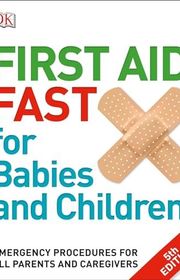
For parents and caregivers who want a reference centered on babies and children. The age specific focus and photographs reduce the need to search through adult material, though it complements rather than replaces a pediatric first aid course.
What it's about
DK presents illustrated first aid information for parents and caregivers, covering injuries and illnesses that affect babies and children. Photographic sequences and organized condition entries explain initial responses and help readers understand when further medical care is needed.

Special Operations Forces Medical Handbook
For trained medics interested in prolonged field care and operational medicine. Its clinical breadth goes well beyond common injuries, though the assumed assessment skills and advanced material make it a poor first book for a general reader.
What it's about
This Department of Defense handbook addresses medical care in demanding operational settings. Illustrations and assessment guidance accompany material on first aid, orthopedics, emergency surgery, and other clinical problems, including patient history, physical examination, and recognition of distinctive illness features.

The Complete First Aid Pocket Guide
Step-by-Step Treatment for All of Your Medical Emergencies
For readers who want a portable guide organized around recognizing problems and finding a response. Its compact layout is useful beside a kit, though the compressed explanations provide less context than a full manual or practical course.
What it's about
John Furst organizes first aid information around signs, symptoms, and step-by-step responses. The pocket guide covers emergency assessment, CPR and AED use, injuries, sudden illnesses, environmental conditions, pediatric concerns, and suggested supplies for home, vehicle, and outdoor kits.

For readers who want a visual home reference with clearly organized conditions and actions. The photographic sequences make it easier to browse than dense field manuals, though the larger format is less convenient to carry and edition matters.
What it's about
Endorsed by the American College of Emergency Physicians, this visual manual explains first-aid responses to a range of injuries and illnesses. Photographic sequences accompany information about causes, signs, and symptoms, with coverage of emergency care for adults, babies, and children.

For trained medical readers studying military trauma care in constrained settings. It offers a surgical perspective absent from ordinary first aid guides, though its procedures and assumed expertise make it unsuitable as a beginner’s emergency handbook.
What it's about
This military medical handbook examines trauma surgery and casualty care under difficult field conditions. Illustrated discussions cover hemorrhage, shock, anesthesia, major injuries, amputations, and chemical or biological hazards, presenting the principles used by military medical personnel.

First Aid/ CPR/ AED Participant's Manual
For learners taking a first aid, CPR, and AED course who want the accompanying reference. Its organization reinforces a training program, though you need the edition specified by your course and reading alone does not establish practical competence.
What it's about
This American Red Cross course manual supports training in first aid, CPR, and AED use. It introduces emergency recognition, assessment, contacting emergency services, and responses to cardiac, breathing, injury, and sudden illness situations through organized instructional material.

The Scouting Guide to Wilderness First Aid
An Officially-Licensed Book of the Boy Scouts of America
For outdoor leaders who want wilderness first aid framed around group activities. Its illustrated approach makes remote settings central, though it is broader than a quick household reference and the relevant edition should match your training.
What it's about
The Boy Scouts of America and Grant Lipman present an illustrated guide to medical emergencies in remote environments. Topics include assessment, first aid supplies, seeking help, moving injured people, CPR, and common injuries or temperature-related problems encountered outdoors.
Sources
- 1
Top 22 Emergency & Survival First Aid Books: Best Sellers in the Field
morethanjustsurviving.com
- 2
100 Best First Aid Books of All Time (Updated for 2026)
shortform.com
- 3
First aid manuals
firstaidforfree.com
- 4
The 20 Best Books for Medical Emergencies
bepreparedforit.com
- 5
Medical Book Recommendations
reddit.com
- 6
First Aid Books
goodreads.com
- 7
Useful books for first aiders
firstaidforfree.com
- 8
Best First Aid Books and Guides
medkitauthority.com






Edited by
Software engineer whose passion for tracking book recommendations from podcasts inspired the creation of MRB.
Lead investor at 3one4 Capital whose startup expertise and love for books helped shape MRB and its growth.
Comments
Spotted a missing book, a wrong order or a mistake? Tell us and we'll fix this page.
We're a reading guide, not the author or publisher, so we can't send books or pass on messages.