
15 Best Norman Mailer Books
The best Norman Mailer books, ranked by how many expert sources recommend each one, with notes on who each book suits and where to start reading.
Our take
Norman Mailer’s books move between war fiction, true crime, political reporting, essays, and historical fantasy. Power and the stories people tell about themselves keep returning, whether he’s writing about soldiers, intelligence officers, celebrities, or his own public persona. The books differ sharply in voice: some put Mailer in the foreground, while others let a large cast carry the story.
You don’t need to read them in publication order. The Naked and the Dead suits readers who want a substantial novel with a broad social canvas. The Executioner's Song offers a quieter voice and an equally large commitment. For a shorter encounter with his reporting, try The Fight. His more experimental fiction often includes explicit violence, troubling sexual attitudes, and long digressions. Start with the subject you care about, then decide whether you want more of his reporting or his fiction.
15 books · 9 sources · Last updated
As an Amazon Associate, we earn from qualifying purchases (at no extra cost to you).
Reading Norman Mailer in order? See all Norman Mailer books in order
How to choose from this list
Skip to the full rankingIf you’re new to his fiction: The Naked and the Dead
If you want true crime: The Executioner's Song
If you want shorter reporting: The Fight
If you want political reporting: The Armies of the Night → Miami and the Siege of Chicago
If you want a long espionage novel: Harlot's Ghost
The 15 books, ranked
Ranked by how many expert sources name each book. Ties go to the book more people recommend.
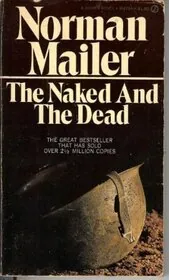
The Naked and the Dead
For readers who want a broad war novel before trying Mailer’s more experimental work. Its attention to soldiers across class backgrounds gives it unusual scope, though the long backstories slow the campaign’s momentum.
What it's about
On a brutal Pacific campaign, an American platoon fights jungle, fear, and the ambitions of its own commanders. Mailer's debut turns combat into a harsh study of power, class, and what war strips away from ordinary men.
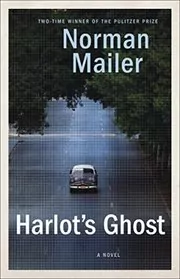
For espionage readers willing to live inside a vast Cold War novel. The extended attention to institutional loyalties sets it apart here, but lengthy detours and an unresolved ending make it a demanding choice.
What it's about
This huge Cold War novel follows CIA officer Harry Hubbard from youth into the agency's deepest intrigues under his mentor, Harlot. Espionage, secrecy, and American self-mythology are always tangled together, even in the most intimate scenes.
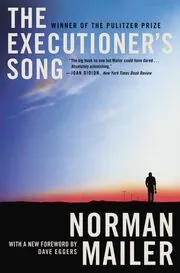
The Executioner's Song
For true crime readers who prefer patient observation to an author’s running commentary. The restrained voice makes this a useful contrast to Mailer’s political reporting, but its length demands a substantial commitment.
What it's about
Mailer reconstructs the crimes, trial, and execution of Gary Gilmore in a voice stripped of flourish and full of human detail. The book asks how America turns violence, punishment, and notoriety into a shared spectacle.
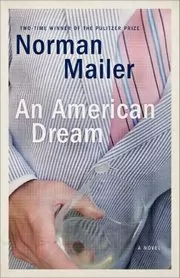
For readers drawn to disturbing fiction about male power and self-justification. Its concentrated, feverish voice offers a sharper shock than his sprawling novels, though its treatment of women and violence can be hard to bear.
What it's about
War hero and television personality Stephen Rojack plunges into a violent Manhattan night after killing his wife. Mailer turns the story into a feverish descent through sex, power, guilt, and the dangerous glamour of celebrity.
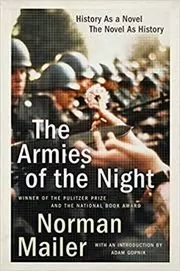
For readers curious about how a reporter becomes part of the story. Its blend of self-portrait and protest reporting makes Mailer’s methods visible, though his self-importance can distract from the wider political movement.
What it's about
Mailer turns the 1967 March on the Pentagon into both history and self-portrait, casting Mailer as a character in the protest. The result is funny, combative, and one of his best blends of reportage, politics, and art.
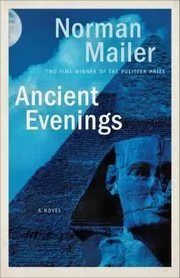
For adventurous readers who want Mailer at his furthest remove from modern America. Its immersion in Egyptian myth makes it distinctive here, but the dense structure and explicit sexual material make it a difficult starting point.
What it's about
Set in ancient Egypt, this vast novel follows souls, bodies, and power across cycles of reincarnation. Mailer builds a world of priests, pharaohs, magic, and desire, aiming for something stranger and more mythic than ordinary historical fiction.
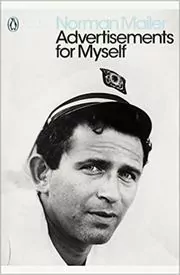
Advertisements for Myself
For writers and readers interested in Mailer’s view of his own craft. The mixture of work and self-commentary reveals his ambitions directly, though its uneven pieces and dated racial ideas need a critical reader.
What it's about
This breakthrough miscellany mixes stories, essays, fragments, and fierce self-commentary. Mailer uses the book to introduce his early work and to invent the public version of Norman Mailer that would follow him for decades.

Of a Fire on the Moon
For readers who want the space program seen through an uneasy literary observer. Its attention to technology and wonder broadens Mailer’s reporting, though personal speculation interrupts the account of Apollo 11.
What it's about
Mailer follows the Apollo 11 mission through astronauts, engineers, and the institutions behind the moon landing. Technical description sits beside his reflections on what the achievement means for human imagination and America’s relationship with technology.
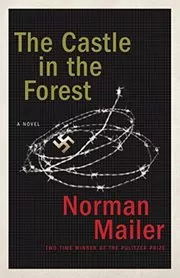
For readers interested in fictional approaches to the origins of evil. The demonic perspective distinguishes it from conventional historical novels, but the speculation and sexual material can overwhelm the questions it raises.
What it's about
Told by a demonic narrator, this unsettling novel imagines Adolf Hitler's childhood and the forces forming him long before power. Mailer approaches evil through family life, secrecy, manipulation, and the corruption of innocence.
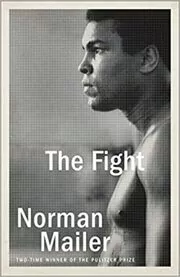
The Fight
For sports readers seeking a shorter introduction to Mailer’s reporting. The close attention to the fighters’ presence and the event’s atmosphere gives it immediacy, though Mailer’s own theories sometimes compete with the boxing.
What it's about
Mailer goes to Kinshasa for the Ali-Foreman heavyweight title fight and turns the buildup into high-voltage reportage. The book captures the boxers, the city, and the strange symbolism that made the Rumble in the Jungle feel larger than sport.

For readers interested in celebrity as an imaginative construction. The combination of photographs and speculative biography offers a different kind of Mailer book, but it should not serve as your sole factual account of Monroe.
What it's about
Originally built around photographs of Marilyn Monroe, this book pairs image and essayistic biography to enlarge her legend. Mailer is less interested in debunking Monroe than in tracing the loneliness and performance inside the icon.
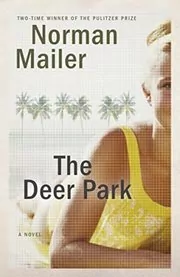
For readers drawn to Hollywood fiction about ambition and compromised loyalties. Its focus on the entertainment world offers a useful alternative to Mailer’s war books, though its sexual politics can feel dated and abrasive.
What it's about
Set in a desert resort modeled on Hollywood's back rooms, this novel follows veterans, actors, and power brokers circling fame and ruin. Mailer digs into sex, ambition, and the compromises that keep a glamorous system running.
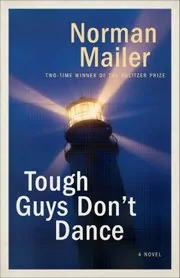
For readers who want Mailer in a compact crime novel rather than an expansive historical work. The exaggerated noir voice is part of the fun, but the grotesque humor and sexual nastiness will divide readers.
What it's about
After a blackout weekend in Provincetown, writer Tim Madden wakes to a nightmare involving missing memories, broken loyalties, and murder. Mailer turns noir into a salty Cape Cod spiral, full of panic, lust, and bad decisions.
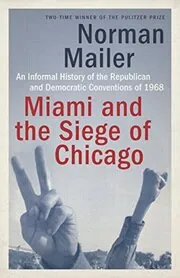
Miami and the Siege of Chicago
For readers interested in elections and the political atmosphere of 1968. The paired conventions offer a wider party-political view than The Armies of the Night, though Mailer’s judgments remain forcefully personal.
What it's about
Mailer reports from the 1968 Republican and Democratic conventions, where party theater and street protest collide. He captures a country splitting in public, with politicians, police, and demonstrators all performing history at once.

The Time Of Our Time
For readers who want to sample Mailer across genres within a chronological portrait of America. The selection brings decades of work together, though its size and excerpted narratives make it less straightforward than a single book.
What it's about
Chosen by Mailer himself, this anthology arranges excerpts from novels, essays, and reportage into a running commentary on postwar America. It works as both a career survey and a map of the obsessions tying his books together.
Sources
- 1
The 10 Best Norman Mailer Books
publishersweekly.com
- 2
The greatest books written by Norman Mailer
thegreatestbooks.org
- 3
Norman Mailer’s Bestsellers
medium.com
- 4
Best of Norman Mailer
goodreads.com
- 5
9 Best Norman Mailer Books Everyone Should Read
booksofbrilliance.com
- 6
10 Best Norman Mailer Books (2025)
ereads.com
- 7
Can you recommend some good books by Norman Mailer?
reddit.com
- 8
Thoughts on Norman Mailer?
reddit.com
- 9
Norman Mailer
albany.edu









Edited by
Software engineer whose passion for tracking book recommendations from podcasts inspired the creation of MRB.
Lead investor at 3one4 Capital whose startup expertise and love for books helped shape MRB and its growth.
Comments
Spotted a missing book, a wrong order or a mistake? Tell us and we'll fix this page.
We're a reading guide, not the author or publisher, so we can't send books or pass on messages.