
31 Best True Crime Books
The best true crime books, ranked by how many expert sources recommend each one, with notes for readers of investigations, victim portraits, and history.
Our take
True crime covers more than the search for a murderer. These books investigate disappearances, corporate fraud, political violence, theft, and failures of justice. They also differ in whose experience comes first. A prosecutor's account explains how a case was built, a survivor or family memoir brings personal stakes, and a reported history can show how institutions allowed harm to continue. Some books follow unresolved questions rather than ending with a complete answer.
Killers of the Flower Moon connects a series of murders to wealth and power. The Five places victims' lives at the center, while Bad Blood follows the exposure of corporate deception. The Journalist And The Murderer asks harder questions about the relationship between writers and their subjects. Choose The Feather Thief for an investigation outside homicide, or start with Killers of the Flower Moon for reporting that reaches beyond the immediate case.
31 books · 11 sources · Last updated
As an Amazon Associate, we earn from qualifying purchases (at no extra cost to you).
How to choose from this list
Skip to the full rankingIf you're new to reported true crime: Killers of the Flower Moon → American Fire
If you want victims' lives at the center: The Five → Lost Girls
If you prefer corporate investigations: Bad Blood → Black Edge → Empire of Pain
If you're interested in political violence: Say Nothing
If you want a case outside homicide: The Feather Thief → The Art Thief
If you want to question the genre itself: The Journalist And The Murderer → The Fact of a Body
The 31 books, ranked
Ranked by how many expert sources name each book. Ties go to the book more people recommend.
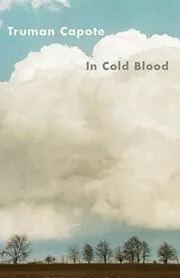
In Cold Blood
For readers interested in the roots of literary true crime. Capote's controlled scenes and shifting viewpoints make it unusually immersive, though its novelistic reconstruction calls for a different kind of trust than a plainly documented case history.
What it's about
Capote’s nonfiction novel reconstructs the 1959 murder of the Clutter family in rural Kansas, following the investigation and the lives of killers Perry Smith and Dick Hickock. Combining immersive reporting with novelistic detail, it helped define the modern true crime book.
Also recommended by
3 people Ben Shapiro recommended this book
Ben Shapiro
"Truman Capote's best book. It's a really, really good book." - Ben Shapiro
Ben Shapiro's recommendation of this book  Sam Harris recommended this book
Sam Harris
"If you just want to forget about the future and lose yourself in the book that forever changed how narrative nonfiction is written, read [this book]." - Sam Harris
Sam Harris's recommendation of this book  Tim Draper recommended this book
Tim Draper
"My [mother] recommended [this book]." - Tim Draper
Tim Draper's recommendation of this book

For readers who want a crime investigation tied to systems of wealth and power. Grann looks beyond individual perpetrators to the conditions enabling violence, though the widening historical argument is more demanding than a straightforward whodunit.
What it's about
In 1920s Oklahoma, members of the Osage Nation are murdered after oil makes them rich, and Mollie Burkhart's family is hit again and again. Grann follows the investigation and the wider conspiracy behind one of America's darkest crimes.
Also recommended by
3 people John Legend recommended this book
John Legend
John Legend mentioned this book on Twitter.
John Legend's recommendation of this book  Jacqueline Novogratz recommended this book
Jacqueline Novogratz
"Reads like a novel while giving a deeper understanding of both the good and the terrible that humans are capable of." - Jacqueline Novogratz
Jacqueline Novogratz's recommendation of this book  Peter King recommended this book
Peter King
"I can’t recommend the history and the gripping murder story enough." - Peter King
Peter King's recommendation of this book

For readers who want the investigation and courtroom strategy in detail. Bugliosi explains the prosecution from inside the case, though that access also shapes the argument around the prosecutor's own interpretation of the evidence.
What it's about
Prosecutor Vincent Bugliosi and Curt Gentry recount the investigation and trial of Charles Manson and his followers. The narrative traces the Tate-LaBianca murders, the gathering of evidence, and Bugliosi's account of building the prosecution.

I'll Be Gone in the Dark
One Woman's Obsessive Search for the Golden State Killer
For readers interested in the labor and personal pull of investigating an unresolved case. McNamara's attention to survivors distinguishes it from killer-centered accounts, though the posthumously completed book isn't a full account of the eventual prosecution.
What it's about
Michelle McNamara investigates the unsolved crimes of the Golden State Killer, who terrorized California during the 1970s and 1980s. Victims' experiences, archival research, and her own growing obsession intertwine in this account of the search.

Midnight in the Garden of Good and Evil
For readers who want atmosphere and social observation alongside a murder case. Savannah's personalities give Berendt's narrative its distinctive appeal, though the city portrait often takes priority over a tightly ordered investigation.
What it's about
Berendt follows the murder case around antiques dealer Jim Williams, but the real pull is Savannah itself, with its old-money rituals, gossip, and unforgettable locals. It is true crime wrapped inside a vivid portrait of a city.

The Stranger Beside Me
For readers curious about the gap between personal familiarity and criminal knowledge. Rule's prior acquaintance gives the reporting a distinctive tension, though her presence means this isn't a detached or evenly balanced biography.
What it's about
Ann Rule’s definitive account of her time working at a suicide hotline alongside Ted Bundy. While she viewed him as a kind, sensitive friend, he was secretly carrying out a cross-country killing spree. A chilling blend of memoir and investigative journalism.
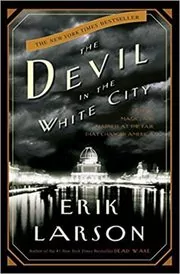
The Devil in the White City
Murder, Magic, and Madness at the Fair That Changed America
For readers who enjoy civic history as much as crime. Larson's parallel narratives make the fair's ambition central to the experience, though readers focused on the murders may find the architecture and planning sections slow.
What it's about
Daniel Burnham races to build the 1893 Chicago World's Fair while H. H. Holmes hunts victims nearby. Larson braids civic ambition and serial murder into a fast-moving account of spectacle, progress, and violence.
Also recommended by
1 person Edgar Wright recommended this book
Edgar Wright
Edgar Wright recommended this book on Twitter.
Edgar Wright's recommendation of this book

American Predator
The Hunt for the Most Meticulous Serial Killer of the 21st Century
For readers drawn to the practical difficulties of tracking a serial offender. Callahan emphasizes investigative obstacles and troubling gaps in knowledge, though the killer-centered focus and disturbing material leave less space for a broader community portrait.
What it's about
Maureen Callahan investigates serial killer Israel Keyes and the law-enforcement effort to uncover his crimes. Interviews and FBI records reconstruct his methods, background, and encounters with investigators while examining the difficulties of tracking him.

For readers who prefer corporate fraud to a murder investigation. Carreyrou makes secrecy, technical claims, and institutional failure understandable through reporting, though the emphasis is on exposure rather than a complete history of the later legal proceedings.
What it's about
John Carreyrou investigates Theranos and Elizabeth Holmes’s claims about revolutionary blood-testing technology. Through reporting and accounts from employees and whistleblowers, he traces how secrecy, ambition, and pressure concealed serious problems within a celebrated Silicon Valley company.
Also recommended by
4 people Bill Gates recommended this book
Bill Gates
"I couldn’t put down this thriller with a tragic ending." - Bill Gates
Bill Gates's recommendation of this book  Andrew Wilkinson recommended this book
Andrew Wilkinson
"Soooo good." - Andrew Wilkinson
Andrew Wilkinson's recommendation of this book  Bill Gurley recommended this book
Bill Gurley
"An incredible book that should be read by each and every player in the startup/Silicon Valley ecosystem." - Bill Gurley
Bill Gurley's recommendation of this book  Michael Mauboussin recommended this book
Michael Mauboussin
"Amazing [book] about human nature." - Michael Mauboussin
Michael Mauboussin's recommendation of this book

For readers curious about the development of FBI behavioral profiling. Douglas provides a practitioner's perspective on interviews and investigations, though the memoir format offers less independent scrutiny of the method than an external evaluation would.
What it's about
Part memoir and part true crime history, Mindhunter follows Douglas from SWAT agent and hostage negotiator to head of the FBI's profiling unit, detailing prison interviews with notorious killers and the high risk investigations where behavioral analysis changed the search.
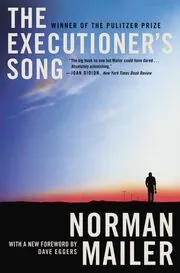
The Executioner's Song
For readers prepared for a long account of violence, punishment, and the people surrounding a condemned man. Mailer's scale creates a dense social portrait, though the centrality of Gilmore leaves victims farther from the narrative's center.
What it's about
Mailer reconstructs the crimes, trial, and execution of Gary Gilmore in a voice stripped of flourish and full of human detail. The book asks how America turns violence, punishment, and notoriety into a shared spectacle.

The Suspicions of Mr. Whicher
A Shocking Murder and the Undoing of a Great Victorian Detective
For readers who enjoy historical detection and the social meaning of evidence. Summerscale makes Victorian domestic life integral to the inquiry, though period detail and contemporary speculation sometimes slow the progress toward a resolution.
What it's about
In 1860, the murder of three-year-old Saville Kent shocks Victorian England and sends Scotland Yard detective Jack Whicher to Road Hill House. Summerscale turns the case into a tense true-crime story about family secrets, public scandal, and the birth of modern detective work.

For readers interested in political violence and the long afterlife of a disappearance. Keefe links individual choices to collective silence with unusual narrative clarity, though the history and shifting allegiances require sustained attention.
What it's about
The abduction of Belfast mother Jean McConville in 1972 anchors Keefe's investigation of Northern Ireland's Troubles. Following victims, IRA members, and political leaders, he explores violence, secrecy, memory, and the unresolved consequences of the peace process.
Also recommended by
1 person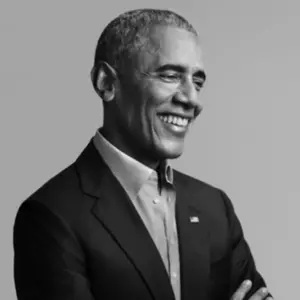 Barack Obama recommended this book
Barack Obama
Barack Obama's favorite books of 2019 list.
Barack Obama's recommendation of this book

Columbine
For readers interested in how public narratives form after mass violence. Cullen revisits early assumptions through extensive reporting and survivor accounts, though the psychological interpretations and disturbing subject make this a difficult, sometimes contentious read.
What it's about
Dave Cullen reconstructs the Columbine school shooting and its aftermath through a decade of reporting. The account investigates the perpetrators' paths toward violence while following survivors and families as they confront grief, recovery, and misleading public narratives.

For readers who want victims' lives to matter beyond their deaths. Kolker's family portraits challenge the assumptions surrounding missing women, though the original investigation predates later developments and doesn't provide a complete current case history.
What it's about
Robert Kolker reconstructs the lives of five young women connected to the Long Island murder investigation that followed Shannan Gilbert's disappearance. This nonfiction account examines their families, online sex work, and the response to their missing-person cases.
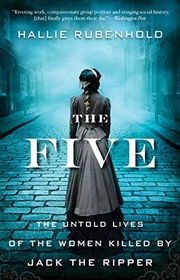
The Five
For readers who want victims' biographies rather than speculation about a famous killer. Rubenhold rebuilds the women's social worlds from historical records, though readers seeking a new theory of the murders should choose another book.
What it's about
Hallie Rubenhold reconstructs the lives of five women murdered in London's Whitechapel district in 1888. Moving attention away from Jack the Ripper, she explores the families, work, poverty, and social pressures that shaped their lives.

For readers interested in the relationship between belief, authority, and violence. Krakauer links a murder case to religious history, though the broader argument is contentious and shouldn't stand in for every believer's experience.
What it's about
Beginning with the murders of Brenda Lafferty and her infant daughter, Krakauer investigates religious violence, polygamy, and fundamentalist Mormon offshoots. The book also traces the history and beliefs that shaped the Lafferty brothers' crime.

For readers interested in wealth, corporate wrongdoing, and the limits of accountability. Keefe's family history gives the opioid story institutional depth, though its generational scope is slower and broader than a single criminal investigation.
What it's about
Keefe investigates three generations of the Sackler family, tracing their pharmaceutical fortune and cultural influence. The narrative examines drug marketing, OxyContin, and the opioid crisis while considering the relationship between immense wealth, public reputation, and accountability.
Also recommended by
1 person Ryan Shea recommended this book
Ryan Shea
Ryan Shea recommended this book on his website.
Ryan Shea's recommendation of this book

My Dark Places
For readers willing to confront an author's own involvement in a crime story. Ellroy's emotional exposure makes this more unsettling than conventional reporting, though his abrasive voice and personal obsessions can dominate the investigation.
What it's about
Part memoir and part true-crime investigation, My Dark Places follows Ellroy as he reopens the unsolved 1958 murder of his mother with a retired homicide detective, confronting buried memories, police files, and the roots of his lifelong obsession with crime.
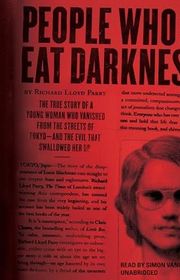
People Who Eat Darkness
For readers who want an investigation grounded in a place and its institutions. Parry's years of reporting give the Japanese setting depth, though the extensive family and legal history makes this a substantial reading commitment.
What it's about
Richard Lloyd Parry investigates the disappearance and murder of Lucie Blackman in Japan. Years of reporting follow her family, the police inquiry, and the court proceedings, revealing tensions within the case and its wider social setting.

Small Sacrifices
For readers who want a detailed investigation and trial narrative from Ann Rule. The close accumulation of testimony and background gives the case depth, though the violence against children makes it especially difficult reading.
What it's about
The harrowing story of Diane Downs, who drove into an emergency room claiming a stranger had shot her three children. Rule unravels the twisted reality of a mother whose obsession with a lover led her to commit the unthinkable.

For readers open to a blend of legal inquiry and personal memoir. Marzano-Lesnevich examines how private experience shapes judgments about punishment, though the interwoven timelines and traumatic material make this more demanding than straightforward reporting.
What it's about
Working on a Louisiana murder case unsettles law student Alex Marzano-Lesnevich's opposition to the death penalty. An investigation into Ricky Langley's history intertwines with personal memories, exploring trauma and the construction of legal narratives.

The Feather Thief
Beauty, Obsession, and the Natural History Heist of the Century
For readers who want crime reporting without another serial-killer narrative. Johnson connects collecting and obsession to the loss of scientific specimens, though the specialized fly-tying world may require some patience before the stakes become clear.
What it's about
Kirk Wallace Johnson investigates a theft of rare bird specimens from the Natural History Museum at Tring. The search leads into the world of salmon fly-tying, connecting a bizarre crime with collecting, obsession, and conservation.

For readers interested in a community's response to a prolonged crime spree. Hesse gives economic decline and local relationships real weight, though the unusual arson case offers less courtroom detail than prosecution-centered accounts.
What it's about
A five-month arson spree terrorizes Virginia’s Accomack County, straining its firefighters and leaving residents suspicious of one another. Hesse investigates the troubled couple behind the blazes and the economic decline surrounding the crimes.

For readers who want to scrutinize evidence and the influence of public fear. Leveritt examines a contested prosecution closely, though the original book belongs to an earlier stage of a case with a long subsequent history.
What it's about
Mara Leveritt investigates the murders of three Arkansas children and the prosecution of the teenagers known as the West Memphis Three. Her reporting scrutinizes police work, courtroom evidence, community prejudice, and the resulting convictions.

For readers interested in nightlife culture and an insider's unreliable vantage point. St. James's sharp voice makes the social world vivid, though the stylized recollections can feel flippant beside the seriousness of the crime.
What it's about
James St. James recalls New York's club-kid scene and the rise of promoter Michael Alig. Drug use, extravagant nightlife, and personal recollection frame his account of the milieu surrounding the murder of Andre Melendez.

The Art Thief
For readers interested in theft, collecting, and obsession rather than homicide. Finkel's compact narrative makes an unusual criminal career easy to follow, though its close attention to the thief leaves less room for the museums' perspectives.
What it's about
Finkel follows Stéphane Breitwieser's astonishing spree of museum thefts across Europe, carried out not for profit but for possession. It is a true-crime portrait of obsession, beauty, and the strange logic that can make theft feel like devotion.

Black Edge
Inside Information, Dirty Money, and the Quest to Bring Down the Most Wanted Man on Wall Street
For readers interested in financial crime and the difficulty of assigning accountability. Kolhatkar explains the relationships behind insider trading without assuming specialist knowledge, though the many traders and investigations demand closer attention than a single-case narrative.
What it's about
Sheelah Kolhatkar investigates the rise of Steven Cohen's hedge fund SAC Capital and the government's pursuit of insider trading. Her reported account follows traders, investigators, and prosecutors while examining competitive pressure, privileged information, wealth, and accountability on Wall Street.
Also recommended by
2 people Peter Attia recommended this book
Peter Attia
Peter Attia mentioned reading this book on an interview for thereadinglists.com
Peter Attia's recommendation of this book  Max Levchin recommended this book
Max Levchin
"Documents the SEC’s investigation into hedge fund SAC Capital Advisors and several individuals including Steven Cohen." - Max Levchin
Max Levchin's recommendation of this book

Shot in the Heart
For readers seeking a family history behind public violence. Gilmore's position as the killer's brother gives the account painful intimacy, though the sustained abuse and reflection offer little of a conventional investigative puzzle.
What it's about
Mikal Gilmore examines the family history behind his brother Gary's murders and execution. Memories of their parents and childhood expose generations of abuse, alcoholism, secrecy, and violence, connecting a public crime with private suffering.

The Journalist And The Murderer
For readers who want to question how true crime gets written. Malcolm's examination of trust and betrayal sharpens the ethical issues behind the genre, though this is an argumentative essay rather than a fresh investigation of guilt.
What it's about
Janet Malcolm examines the relationship between journalist Joe McGinniss and convicted murderer Jeffrey MacDonald. Their dispute over Fatal Vision becomes a study of trust, betrayal, power, and the ethical tensions between nonfiction writers and the people they portray.
Also recommended by
2 people Patrick Collison recommended this book
Patrick Collison
Patrick Collison labeled this book "substantially above average."
Patrick Collison's recommendation of this book  Balaji Srinivasan recommended this book
Balaji Srinivasan
"Short and well worth reading. Presages much of today's train crash on social media." - Balaji Srinivasan
Balaji Srinivasan's recommendation of this book

The Blood of Emmett Till
For readers interested in racial violence and the history surrounding a murder. Tyson places the case within a wider social order, though the historical argument takes more space than a step-by-step reconstruction of the investigation.
What it's about
Timothy B. Tyson revisits the 1955 murder of Emmett Till and the trial that followed. Archival research and recollections place the case within Mississippi's racial order and examine its significance for the civil rights movement.
Sources
- 1
26 Best True Crime Books of All Time - Top Nonfiction Crime Books
esquire.com
- 2
25 Best True Crime Books of All Time - Nonfiction Crime Books
goodhousekeeping.com
- 3
The 16 Best True Crime Books Of All Time
time.com
- 4
The best true crime books of all time - Pan Macmillan
panmacmillan.com
- 5
Stranger than fiction: Best true crime novels of all time | The Standard
standard.co.uk
- 6
Best True Crime (1529 books)
goodreads.com
- 7
True crime related book recommendations? : r/TrueCrimeDiscussion
reddit.com
- 8
Best true crime book you can recommend? : r/Recommend_A_Book
reddit.com
- 9
The Best True Crime Books - Five Books Expert Recommendations
fivebooks.com
- 10
100 Best True Crime Books of All Time (Updated for 2026)
shortform.com
- 11
Books To Read if You Love True Crime | Penguin Random House
penguinrandomhouse.com




Edited by
Software engineer whose passion for tracking book recommendations from podcasts inspired the creation of MRB.
Lead investor at 3one4 Capital whose startup expertise and love for books helped shape MRB and its growth.
Comments
Spotted a missing book, a wrong order or a mistake? Tell us and we'll fix this page.
We're a reading guide, not the author or publisher, so we can't send books or pass on messages.