
Norman Mailer Books in Order
Browse Norman Mailer books in order, with concise summaries, major themes, and clear starting points for readers exploring his fiction and nonfiction.
Last updated:
As an Amazon Associate, we earn from qualifying purchases (at no extra cost to you).
Norman Mailer books in publication order
57 books
The Naked and the Dead
by Norman Mailer
1948
On a brutal Pacific campaign, an American platoon fights jungle, fear, and the ambitions of its own commanders. Mailer's debut turns combat into a harsh study of power, class, and what war strips away from ordinary men.
Barbary Shore
by Norman Mailer
1952
A drifting veteran rents a room in a strange Brooklyn house filled with exiles, radicals, and secrets. Part political nightmare, part fever dream, the novel turns postwar America into a cold-war maze of memory and betrayal.
The Deer Park
by Norman Mailer
1955
Set in a desert resort modeled on Hollywood's back rooms, this novel follows veterans, actors, and power brokers circling fame and ruin. Mailer digs into sex, ambition, and the compromises that keep a glamorous system running.
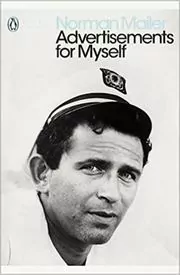
Advertisements for Myself
by Norman Mailer
1959
This breakthrough miscellany mixes stories, essays, fragments, and fierce self-commentary. Mailer uses the book to introduce his early work and to invent the public version of Norman Mailer that would follow him for decades.

The White Negro
by Norman Mailer
1959
Mailer's famous and controversial essay tries to explain the postwar hipster as a figure shaped by danger, desire, and revolt against conformity. It remains provocative for both its raw energy and its obvious blind spots.

Deaths for the Ladies
by Norman Mailer
1962
Mailer turns to poetry here, mixing anger, bravado, confession, and black humor. The book feels raw and jagged, more like a writer testing pressure points than settling into any kind of lyrical calm.
The Presidential Papers
by Norman Mailer
1963
A restless collection of essays, interviews, poems, and political pieces from the Kennedy years. Mailer moves from campaigns to boxing to culture war, trying to understand how American power works while it is still in motion.
An American Dream
by Norman Mailer
1966
War hero and television personality Stephen Rojack plunges into a violent Manhattan night after killing his wife. Mailer turns the story into a feverish descent through sex, power, guilt, and the dangerous glamour of celebrity.
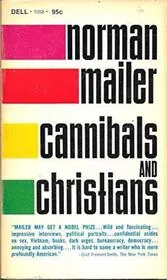
Cannibals and Christians
by Norman Mailer
1966
This wide-ranging collection gathers Mailer on politics, race, sex, literature, and the moral weather of the 1960s. It is argumentative, personal, and often sharpest when he is testing an idea before he fully trusts it.
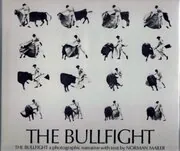
Bull Fight
by Norman Mailer
1967
A short photographic narrative about the ritual, spectacle, and cruelty of the bullring. Mailer watches the pageantry and danger up close, treating the corrida as both sport and theater, with all the moral unease that comes with it.
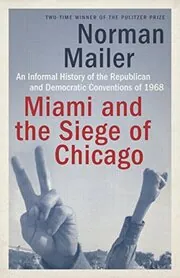
Miami and the Siege of Chicago
by Norman Mailer
1968
Mailer reports from the 1968 Republican and Democratic conventions, where party theater and street protest collide. He captures a country splitting in public, with politicians, police, and demonstrators all performing history at once.
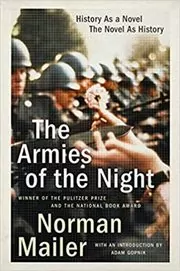
The Armies of the Night
by Norman Mailer
1968
Mailer turns the 1967 March on the Pentagon into both history and self-portrait, casting Mailer as a character in the protest. The result is funny, combative, and one of his best blends of reportage, politics, and art.
Why Are We at War?
by Norman Mailer
1968
In this late political essay, Mailer argues against the rush to the Iraq War and the habits of empire behind it. The book is brief and blunt, more interested in motives and consequences than in official slogans.
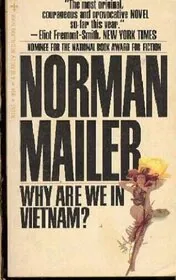
Why Are We in Vietnam?
by Norman Mailer
1968
What starts as a grizzly hunt in Alaska turns into a savage portrait of American aggression. Through a teenage narrator's wild voice, Mailer links macho bravado, family power, and the violence waiting in Vietnam.
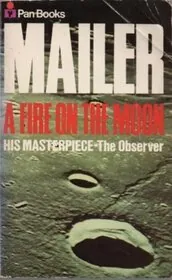
A Fire on the Moon
by Norman Mailer
1970
Covering Apollo 11, Mailer looks past the machinery to the nerves, egos, and mystery around the moon shot. It is a space book, but also a meditation on technology, heroism, and the scale of American spectacle.
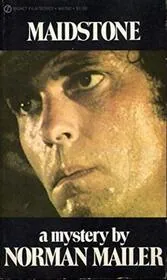
Maidstone
by Norman Mailer
1971
This book version of Mailer's improvised film follows a celebrity filmmaker and would-be presidential candidate who seems marked for assassination. It reads like a jagged mix of satire, performance art, and political nightmare.
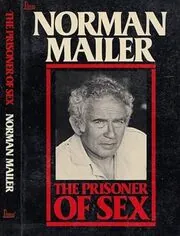
Prisoner of Sex
by Norman Mailer
1971
Mailer answers second-wave feminism, especially Kate Millett, in a book-length argument about sex, power, and art. It is combative, often infuriating, and essential if you want to understand the backlash he helped stage.
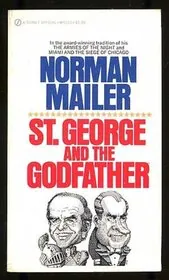
St. George and the Godfather
by Norman Mailer
1972
Mailer covers the 1972 presidential campaign with a wary eye, measuring George McGovern against the machinery around Richard Nixon. It is less a campaign recap than a tense reading of American politics after the 1960s broke apart.

Existential Errands
by Norman Mailer
1973
A mixed collection of essays, profiles, and occasional writing from a turbulent stretch of Mailer's career. The book moves from politics to culture to private obsession, with his restless mind on full display.
Marilyn
by Norman Mailer
1973
Originally built around photographs of Marilyn Monroe, this book pairs image and essayistic biography to enlarge her legend. Mailer is less interested in debunking Monroe than in tracing the loneliness and performance inside the icon.
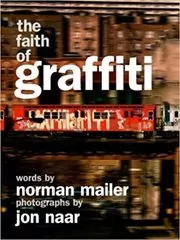
The Faith of Graffiti
by Norman Mailer
1974
Mailer treats New York graffiti as both street rebellion and public art, arguing with city authority, critics, and his own assumptions along the way. It is part cultural essay, part visual record, and part challenge to easy ideas about vandalism.
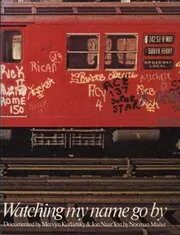
Watching My Name Go By
by Norman Mailer
1974
A compact collection that lets readers hear Mailer in a more self-observing register. The book tracks the public performance of Norman Mailer alongside the private irritations, ambitions, and anxieties that helped build the persona.

The Fight
by Norman Mailer
1975
Mailer goes to Kinshasa for the Ali-Foreman heavyweight title fight and turns the buildup into high-voltage reportage. The book captures the boxers, the city, and the strange symbolism that made the Rumble in the Jungle feel larger than sport.

Genius & Lust
by Norman Mailer
1976
Mailer reads Henry Miller as a writer driven by appetite, risk, and the need to turn life into art. The book is part criticism, part appreciation, and part self-portrait in the mirror of another unruly author.
Some Honorable Men
by Norman Mailer
1976
This anthology gathers Mailer's writing on party conventions from 1960 to 1972, including his famous take on Kennedy. It shows how he read politics as theater, ritual, and a test of national character.
A Transit To Narcissus
by Norman Mailer
1978
Written in 1943 and published decades later, this early novel shows Mailer before fame, already wrestling with ambition, ego, and masculine self-invention. It is most revealing as a glimpse of the writer taking shape.
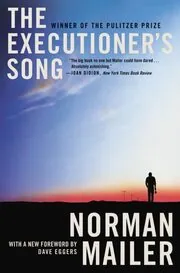
The Executioner's Song
by Norman Mailer
1979
Mailer reconstructs the crimes, trial, and execution of Gary Gilmore in a voice stripped of flourish and full of human detail. The book asks how America turns violence, punishment, and notoriety into a shared spectacle.
Of a Small and Modest Malignancy, Wicked and Bristling with Dots
by Norman Mailer
1980
Written after his ugly Dick Cavett showdown with Gore Vidal, this long essay turns a television scuffle into a broader attack on celebrity, media, and the cheap theater of public argument. It is funny, bitter, and very public-minded.
Of Women and Their Elegance
by Norman Mailer
1980
In this imagined memoir, Mailer speaks in the voice of Marilyn Monroe rather than standing outside her as biographer. The result is part performance, part provocation, and another attempt to enter a famous American myth.

The Short Fiction of Norman Mailer
by Norman Mailer
1980
This volume gathers nineteen stories from Mailer's early and middle years, from wartime pieces to stranger experiments. It shows a side of him readers can miss in the big books: compact, inventive, and sometimes surprisingly vulnerable.
After the White Negro
by Norman Mailer
1982
This later collection circles back to the ideas and aftershocks around Mailer's most controversial essays. Expect a charged mix of race, masculinity, rebellion, and Mailer's habit of arguing his way forward in full public view.

Essential Mailer
by Norman Mailer
1982
A broad sampler of Mailer's fiction and nonfiction, this volume pulls together stories, essays, and memoir-like pieces from his early career. If you want range rather than one giant statement book, it offers a useful entry.

Pieces
by Norman Mailer
1982
This collection brings together a wide sample of Mailer's shorter prose, from reportage and criticism to autobiographical fragments. It is a good way to watch him think on the page before the argument settles into a finished position.

Pontifications
by Norman Mailer
1982
This volume collects interviews with Mailer across several decades, letting his opinions arrive raw, funny, and combative. He talks craft, politics, sex, fame, and other writers without much interest in sounding safe.
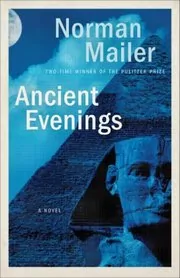
Ancient Evenings
by Norman Mailer
1983
Set in ancient Egypt, this vast novel follows souls, bodies, and power across cycles of reincarnation. Mailer builds a world of priests, pharaohs, magic, and desire, aiming for something stranger and more mythic than ordinary historical fiction.

Pieces and Pontifications
by Norman Mailer
1983
Part essay collection and part interview book, this volume gives you Mailer on the page and Mailer in conversation. It is a lively snapshot of the public intellectual persona he spent years building, testing, and defending.
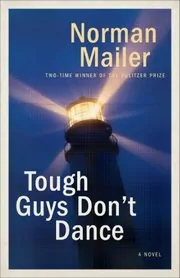
Tough Guys Don't Dance
by Norman Mailer
1984
After a blackout weekend in Provincetown, writer Tim Madden wakes to a nightmare involving missing memories, broken loyalties, and murder. Mailer turns noir into a salty Cape Cod spiral, full of panic, lust, and bad decisions.
Huckleberry Finn
by Norman Mailer
1985
This short essay is Mailer's tribute to Mark Twain's great American novel a century after its publication. He reads Huck and Jim as living presences, and uses them to think about race, freedom, and the national imagination.
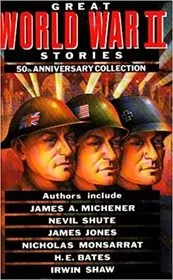
Great World War II Stories
by Irwin Shaw, JG Ballard, Nevil Shute, Ewen Montagu, James Jones, W. Stanley Moss, James A. Michener, Richard Hillary, Kurt Vonnegut, Evelyn Waugh, Norman Mailer, Charles James Rolo, Bruce Marshall, Paul Brickhill, Graham Brooks, Cornelius Ryan, R. J. Minney, Lindsay Baly, P. R. Reed, Guy Gibson, Nella Last, Joseph Heller, Martha Gellhorn, Raymond Paull, H. E. Bates, Ronald Seth, John Prebble, Nancy Wake, F. J. Salfeld, John Steinbeck, Nicholas Monsarrat, R. L. Crimp, James Aldridge, Robert J. Casey & John Hersey
1989
An anthology of significant short fiction about World War II. Michener provides the introduction and selects stories that capture the global scale and human cost of the conflict.

Language of Men
by Norman Mailer
1989
This early short story follows an American soldier whose contempt for army cooks changes when he becomes one himself. Mailer uses barracks life to explore pride, class, and the rough codes men learn to live by.
Harlot's Ghost
by Norman Mailer
1991
This huge Cold War novel follows CIA officer Harry Hubbard from youth into the agency's deepest intrigues under his mentor, Harlot. Espionage, secrecy, and American self-mythology are always tangled together, even in the most intimate scenes.

How the Wimp Won the War
by Norman Mailer
1992
In this sharp late essay on the Gulf War era, Mailer studies power, image, and the strangely managed way America wages war. The target is not only politicians, but the timid public language that protects them.

Oswald's Tale
by Norman Mailer
1995
Mailer follows Lee Harvey Oswald from New Orleans to the Marines to the Soviet Union and back, trying to understand the man behind the Kennedy assassination. It reads like an investigation into motive, loneliness, and national obsession.

Portrait of Picasso As a Young Man
by Norman Mailer
1995
Rather than a full cradle-to-grave life, this book focuses on Picasso's early years and the turbulent period around Fernande Olivier. Mailer tries to catch genius in motion, before the legend hardens into museum certainty.
The Gospel According to the Son
by Norman Mailer
1997
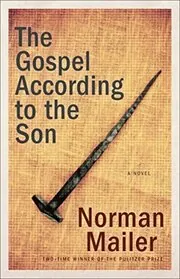
Mailer retells the life of Jesus in the first person, giving the familiar story a direct, human voice. The focus is less on doctrine than on inner calling, doubt, suffering, and the burden of accepting a destiny.

The Time Of Our Time
by Norman Mailer
1998
Chosen by Mailer himself, this anthology arranges excerpts from novels, essays, and reportage into a running commentary on postwar America. It works as both a career survey and a map of the obsessions tying his books together.
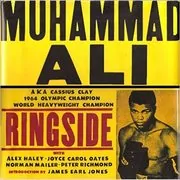
Muhammad Ali
by Norman Mailer
1999
A large-format portrait of Muhammad Ali in and out of the ring, pairing Mailer's commentary with photographs. It tries to catch Ali's charisma, theatrical intelligence, and larger-than-life presence before he hardens into pure legend.
Into the Mirror
by Norman Mailer
2002
This investigation of FBI agent Robert Hanssen looks at the secrecy, vanity, and double life behind one of America's biggest spy cases. Mailer and Lawrence Schiller are after motive as much as tradecraft.

Modest Gifts
by Norman Mailer
2003
This late volume pairs poems with Mailer's drawings, showing a lighter and more private side of his imagination. The scale is smaller than the major books, but the mix of wit, appetite, and self-display is still unmistakably his.
The Spooky Art
by Norman Mailer
2003
Part craft book and part literary autobiography, this collection gathers Mailer's talks and essays on writing. He ranges from point of view and revision to rivalry, ambition, and the strange luck a novelist lives on.

The Big Empty
by Norman Mailer
2006
Framed as dialogues with his son John Buffalo Mailer, this book lets Mailer roam across politics, sex, boxing, myth, poker, and religion. It is loose, argumentative, and full of late-career self-examination.
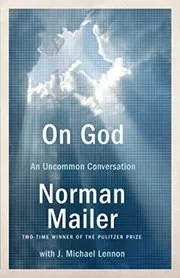
On God
by Norman Mailer
2007
Drawn from conversations with J. Michael Lennon, this late book finds Mailer thinking aloud about God, evil, the soul, and mortality. It is curious rather than doctrinaire, and often most interesting when he is unsure.
The Castle in the Forest
by Norman Mailer
2007
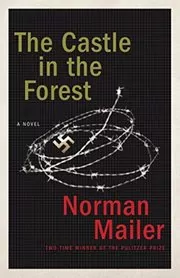
Told by a demonic narrator, this unsettling novel imagines Adolf Hitler's childhood and the forces forming him long before power. Mailer approaches evil through family life, secrecy, manipulation, and the corruption of innocence.

Mind of an Outlaw
by Norman Mailer
2013
This posthumous selection brings together nearly six decades of essays on politics, race, literature, sex, and celebrity. It is a strong doorway into Mailer the public thinker, especially when you want the arguments without the bulk.

Vidal vs. Mailer
by Norman Mailer
2013
This volume revisits the long, nasty, and often funny feud between Norman Mailer and Gore Vidal. It captures two giant literary egos turning criticism, insult, and public argument into a spectacle of American letters.
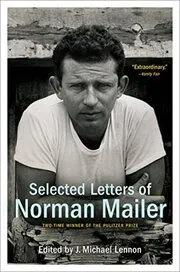
Selected Letters of Norman Mailer
by Norman Mailer
2014
These letters track Mailer from ambitious Harvard writer to literary institution, showing the work, grudges, friendships, and self-dramatizing that fueled his career. It is biography in real time, with plenty of sharp edges left in.

Ten Thousand Words a Minute
by Norman Mailer
2016
In this long magazine essay, Mailer uses the world around championship boxing to study sportswriters, spectators, and the fever of mass attention. The fight matters, but the real subject is the circus built around it.
Where to start with Norman Mailer
If you want the essential Mailer: The Naked and the Dead → The Armies of the Night → The Executioner's Song
If you want political reportage: The Armies of the Night → Miami and the Siege of Chicago → Why Are We at War?
If you want dark, feverish fiction: An American Dream → Tough Guys Don't Dance
If you want Mailer at his most expansive: Harlot's Ghost → Ancient Evenings
Norman Mailer collections, short stories, and related book types
Short Story Collections
Non-Fiction
Standalone Norman Mailer books





by Irwin Shaw, JG Ballard, Nevil Shute, Ewen Montagu, James Jones, W. Stanley Moss, James A. Michener, Richard Hillary, Kurt Vonnegut, Evelyn Waugh, Norman Mailer, Charles James Rolo, Bruce Marshall, Paul Brickhill, Graham Brooks, Cornelius Ryan, R. J. Minney, Lindsay Baly, P. R. Reed, Guy Gibson, Nella Last, Joseph Heller, Martha Gellhorn, Raymond Paull, H. E. Bates, Ronald Seth, John Prebble, Nancy Wake, F. J. Salfeld, John Steinbeck, Nicholas Monsarrat, R. L. Crimp, James Aldridge, Robert J. Casey & John Hersey
1989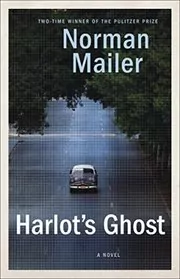
Author bio
Norman Mailer was born in Long Branch, New Jersey, on January 31, 1923, and grew up in Brooklyn in a middle-class Jewish family. He was a bright, driven kid, the kind who knew early that he wanted a large life. At sixteen he entered Harvard, where he studied aeronautical engineering, wrote for campus publications, and started taking fiction seriously.
He wanted to be a writer from the start.
While still at Harvard, Mailer won a college fiction prize from Story magazine, which gave him an early jolt of confidence. After graduating in 1943, he was drafted into the U.S. Army and served in the Philippines during World War II. Those months, especially the boredom, fear, hierarchy, and sudden violence of army life, stayed with him. After the war he spent time in Paris and worked that experience into the book that made his name.
That book was The Naked and the Dead. Published in 1948, it turned Mailer into a literary star almost overnight. He was only twenty-five. Instead of settling into a safe career after that, he kept swerving, writing the cold-war dreamscape Barbary Shore and the Hollywood power novel The Deer Park, books that showed he was already less interested in repeating himself than in testing how far a novel could go.
He never stayed in one lane for long.
In the 1950s and 1960s, Mailer became as much a public presence as a novelist. He helped found The Village Voice in 1955, wrote essays that people argued about for years, and pushed journalism toward something looser, sharper, and more self-aware. Books like Advertisements for Myself, The Armies of the Night, and Miami and the Siege of Chicago mixed reporting, autobiography, politics, and performance in ways that helped define what later got called New Journalism. The Armies of the Night won both the Pulitzer Prize and the National Book Award.
Readers often come to Mailer for the big subjects and the big personalities. The Fight follows Muhammad Ali and George Foreman to Kinshasa. A Fire on the Moon turns the Apollo mission into a meditation on technology and national ambition. Marilyn and Oswald's Tale show his fascination with American mythmaking, and The Executioner's Song, his book about Gary Gilmore, won him a second Pulitzer, this time for fiction. Even when you disagree with him, you can feel the force of his attention.
His novels kept changing too. An American Dream is a dark, feverish trip through money, sex, and violence in New York. Ancient Evenings reaches back to ancient Egypt for a huge, strange historical epic. Harlot's Ghost dives into CIA secrecy and Cold War paranoia. The Gospel According to the Son retells the life of Jesus in a plain, intimate voice. Across all of it, Mailer returned to the same pressure points: power, masculinity, ambition, violence, faith, spectacle, and the uneasy drama of American life.
In his later years he kept writing, arguing, and taking on large subjects, including Picasso, Hitler, and God. He spent much of his later life in Provincetown, Massachusetts, with his wife Norris Church Mailer, and he died in New York City in 2007. His life and work are still argued over, which feels fitting. Mailer rarely wrote to soothe anybody. He wrote to press on the nerve.













Edited by
Software engineer whose passion for tracking book recommendations from podcasts inspired the creation of MRB.
Lead investor at 3one4 Capital whose startup expertise and love for books helped shape MRB and its growth.
Comments
Did we miss something? Have feedback?
Help us improve this page by sharing your thoughts