
12 Best Graffiti Books
The best graffiti books, ranked by expert source recommendations, with notes to help you choose photographic histories, artist collections, and lettering guides.
Our take
Graffiti books preserve work that may survive only briefly on a train, wall, or other public surface. Some document particular scenes through photographs and interviews. Others examine the politics of public space, follow an individual artist, or help readers study lettering. Graffiti writing and the broader field of street art overlap here, but a book about stencils or public interventions offers a different experience from one centered on letter styles.
Subway Art is a useful beginning for New York’s train-writing scene, with Spraycan Art following the form’s wider spread. Getting Up adds social context, while Graffiti World and The World Atlas of Street Art and Graffiti offer broader visual surveys. Graffiti Women expands the range of artists represented. For practice, pair Graffiti School with the varied lettering in Graffiti Alphabets. Start with the documentary books for cultural background, then choose a collection or guide that matches what you want to examine more closely.
12 books · 9 sources · Last updated
As an Amazon Associate, we earn from qualifying purchases (at no extra cost to you).
How to choose from this list
Skip to the full rankingIf you want the documentary starting point: Subway Art → Spraycan Art
If you want social and cultural history: Getting Up → The Faith of Graffiti
If you want an international survey: Graffiti World → The World Atlas of Street Art and Graffiti
If you want to study lettering: Graffiti School → Graffiti Alphabets
If you want women’s work and perspectives: Graffiti Women
If you want artist collections and public interventions: Wall and Piece → OBEY → Trespass
The 12 books, ranked
Ranked by how many expert sources name each book. Ties go to the book more people recommend.

Subway Art
For readers who want a visual foundation in New York subway graffiti. The close photographic record preserves work that often disappeared quickly, though its concentrated scene and period make it a starting point rather than a global survey.
What it's about
Martha Cooper and Henry Chalfant document New York's subway graffiti through photographs and accounts of its artists. Their introductions and afterwords connect the original train-painting scene of the 1970s and 1980s with its later international influence.

For readers studying lettering who want many responses to the same alphabet brief. The side-by-side variety encourages comparison of structure and style, though these finished designs offer inspiration rather than a sequential drawing course.
What it's about
Claudia Walde collects complete alphabets designed by graffiti artists from around the world. Each contributor works within the same single-page brief, revealing a range of lettering styles, media, and creative approaches within graffiti and street art.

For readers drawn to graphic design, political imagery, and a single artist’s evolving visual identity. The focused body of work makes recurring motifs easy to study, though it covers Fairey’s practice rather than graffiti culture as a whole.
What it's about
Shepard Fairey's monograph traces his development from art school and the Andre the Giant sticker campaign to OBEY and his Obama posters. Images and commentary examine his design practice, political activism, and work across street art and exhibitions.

Wall and Piece
For readers drawn to visual satire and art that intervenes in everyday public space. Banksy’s collected images make recurring tactics easy to recognize, though the focus on stencils and one artist offers a narrower view of graffiti writing.
What it's about
Banksy collects images of his street art and unauthorized interventions, including works on city walls, bridges, and the West Bank barrier. The book documents his satirical approach to public space and his incursions into major museums.

Graffiti School: A Student Guide and Teacher Manual
For learners and teachers who want structured practice rather than a photograph collection alone. The combination of background, technique, and lesson material supports progression, though personal style still requires independent sketching and experimentation.
What it's about
Christoph Ganter introduces graffiti history, lettering, design, and practical techniques in an illustrated coursebook. Exercises and teaching material help readers move from understanding styles to developing their own work, connecting visual study with a structured approach to practice.

For readers who want women’s work and perspectives represented within graffiti history. The international profiles broaden a collection dominated by familiar male names, though the survey format offers shorter encounters rather than sustained individual biographies.
What it's about
Nicholas Ganz documents women working in graffiti and street art across the world through images and artist profiles. The collection examines their contributions to a predominantly male scene, with additional perspectives from Swoon and researcher Nancy Macdonald.

For readers who want to compare graffiti across regions and styles. The wide selection makes it useful for visual discovery, though the breadth limits how deeply it can explain any one local scene or artist.
What it's about
Nicholas Ganz surveys international graffiti through photographs, artist profiles, and quotations from practitioners. The book explores regional developments, historical documents, and varied styles, presenting the movement through work by artists across five continents.
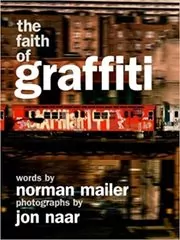
The Faith of Graffiti
For readers interested in how early graffiti entered cultural debate. Mailer’s argumentative essay and the photographic record capture a particular encounter with the scene, though the authorial viewpoint is more subjective than a neutral history.
What it's about
Mailer treats New York graffiti as both street rebellion and public art, arguing with city authority, critics, and his own assumptions along the way. It is part cultural essay, part visual record, and part challenge to easy ideas about vandalism.
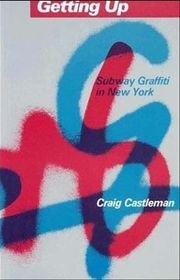
Getting Up: Subway Graffiti in New York
For readers who want to understand the social organization behind subway writing. Interviews and attention to competing interests add depth beyond the pictures, though the focus on one city and historical period limits its wider scope.
What it's about
Craig Castleman examines New York subway graffiti through interviews with writers and an account of the world surrounding their work. The book explores motivations, relationships, practices, and conflicts with city institutions, treating graffiti as a social as well as visual activity.

Spraycan Art
For readers who want to follow spraycan art beyond the New York subway scene. The photographs and artists’ comments document its international spread, though the historical snapshot needs newer work beside it for a present-day overview.
What it's about
Henry Chalfant and James Prigoff document spraycan art's spread from American streets to cities around the world. Photographs of artwork and artists at work appear alongside their comments, tracing the movement's evolving visual forms.

The World Atlas of Street Art and Graffiti
For readers who want artists connected to the cities and streets that shape their work. The geographic organization helps compare local contexts, though its wide reach makes it a selective atlas rather than an exhaustive record.
What it's about
Rafael Schacter surveys street art and graffiti through geographically organized profiles and photographs. The book connects artists and styles with particular cities and streets, examining how local settings shape a movement that has spread around the world.

For readers interested in the ideas and conflicts behind unauthorized art in public space. The thematic breadth connects graffiti with wider interventions, though it moves beyond letter-based writing and gives less room to individual techniques.
What it's about
Carlo McCormick surveys uncommissioned urban art through work by multiple generations of artists. Photographs and thematic essays connect graffiti, public interventions, protest, and self-expression, exploring the movement's history, international reach, and relationship with urban space.
Sources
- 1
Top 10 badass graffiti art books all time (so far)
graffid.com
- 2
The 15 Best Graffiti Books of 2021
beyondthestreets.com
- 3
Top 10 Must-Read Graffiti Books (2025 Updated)
graffstorm.com
- 4
Best graffiti books and films?
reddit.com
- 5
Graffiti Books
goodreads.com
- 6
100 Best Graffiti Books of All Time
shortform.com
- 7
BOOKS | HelloHipHop |What we recommend reading for further learning
hellohiphop.org
- 8
10 Badass Graffiti Books Every Street Art Fan Should Own
blog.artsper.com
- 9
My Go-To scholarly books on graffiti
jeffreyianross.com








Edited by
Software engineer whose passion for tracking book recommendations from podcasts inspired the creation of MRB.
Lead investor at 3one4 Capital whose startup expertise and love for books helped shape MRB and its growth.
Comments
Spotted a missing book, a wrong order or a mistake? Tell us and we'll fix this page.
We're a reading guide, not the author or publisher, so we can't send books or pass on messages.