
10 Best Speed Reading Books
The best speed reading books, ranked by how many expert sources recommend each one, with guidance on practice courses, efficient reading and comprehension.
Our take
Speed reading books offer different ways to approach a large reading load. Some organize daily drills around pacing and timed practice. Others emphasize previewing, skimming, identifying main ideas or remembering what you have read. The useful question is what a method helps you do with the material, not simply how quickly you turn pages.
10 Days to Faster Reading provides a short introduction with a clear schedule. Breakthrough Rapid Reading asks for a longer commitment to regular exercises, while The Complete Idiot’s Guide to Speed Reading works as a broader introductory reference. Speed Reading with the Right Brain uses highlighted phrases to demonstrate its approach. For readers more concerned with choosing the right depth of attention, How to Read a Book explains different levels of reading.
Start with one practice guide and material you can check afterward. Keep track of what you understand and remember alongside the time you spend reading.
10 books · 9 sources · Last updated
As an Amazon Associate, we earn from qualifying purchases (at no extra cost to you).
How to choose from this list
Skip to the full rankingIf you want a short introduction: 10 Days to Faster Reading
If you want a structured practice course: Breakthrough Rapid Reading
If you prefer a broad beginner reference: The Complete Idiot's Guide to Speed Reading
If you like worked phrase examples: Speed Reading with the Right Brain
If understanding is your main priority: How to Read a Book
The 10 books, ranked
Ranked by how many expert sources name each book. Ties go to the book more people recommend.

Breakthrough Rapid Reading
For readers willing to follow a sustained practice course. Its ordered drills and use of your own material offer more structure than a collection of tips, though progress requires repeated exercises and honest checks of comprehension.
What it's about
Peter Kump offers a self-paced course in rapid reading built around drills and regular practice. Readers use their own materials to develop pacing, expand visual attention, and assess progress while working on comprehension and reading efficiency.

For readers interested in combining reading practice with concentration and visual note-taking. Its broader learning approach gives more variety than a drill-only course, though claims about speed should be tested against what you actually understand.
What it's about
Tony Buzan introduces techniques for assessing and developing reading speed alongside concentration and comprehension. The book guides readers through practice exercises and strategies intended to make study and everyday reading more efficient.

10 Days to Faster Reading
Jump-Start Your Reading Skills with Speed Reading
For beginners who want a short, scheduled introduction to reading more efficiently. Its ten-day structure makes practice easier to start than an open-ended manual, though the timetable is a course format rather than a guarantee of results.
What it's about
This ten-day program uses quizzes and exercises to help readers assess their habits and practice faster reading. It introduces concentration, skimming, scanning, and visual techniques while emphasizing the need to retain meaning and understand the material.

For readers who prefer practicing meaningful phrases to working through isolated eye drills. Its highlighted text makes the intended approach visible, though the right-brain framing is a teaching device rather than a sufficient explanation of reading science.
What it's about
David Butler presents a reading method centered on grasping ideas rather than individual words. Highlighted phrases and visualization exercises encourage readers to process meaningful groups of text, with attention to comprehension as they practice faster reading.
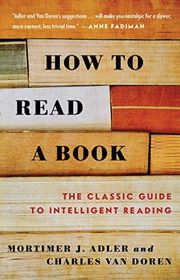
How to Read a Book: The Classic Guide to Intelligent Reading
For readers who want to choose when to skim and when to study closely. Its framework develops understanding more thoroughly than a speed-drill manual, though it is lengthy and does not offer a quick training course.
What it's about
Mortimer Adler and Charles Van Doren describe levels of reading, from basic understanding and inspection to analysis and comparison across books. They explain ways to identify arguments, question authors and adjust reading methods to different kinds of writing.

Super Reading Secrets
For readers who want reading exercises alongside wider study and retention techniques. Its combined approach offers more variety than a narrowly timed course, though the promotional emphasis on exceptional speed calls for careful comprehension checks.
What it's about
Howard Stephen Berg presents a program for developing reading speed, comprehension, and learning skills. Exercises and mental techniques address concentration, information processing, and retention, encouraging readers to practice more effective approaches to study and everyday reading.

The Complete Idiot's Guide to Speed Reading
For beginners who want an approachable reference covering everyday reading tasks. Timed activities give practical ways to assess habits, though readers who prefer a tightly sequenced course may find Breakthrough Rapid Reading easier to follow.
What it's about
Abby Marks Beale introduces techniques for reading efficiently on paper and on screen. Timed exercises help readers assess their habits, practice new strategies, and balance increased speed with comprehension and confidence.

For students and professionals who want exercises that connect reading with remembering ideas. Its workshop-style approach broadens the focus beyond timing alone, though the word-group techniques need practice and should be checked on demanding material.
What it's about
Ron Cole presents exercises for changing reading habits and processing groups of words at a glance. His approach combines speed practice with comprehension, memory training, and learning strategies for students and professionals facing substantial reading demands.

Speed Reading
The Comprehensive Guide To Speed-reading - Increase Your Reading Speed By 300% In Less Than 24 Hours
For readers seeking a brief introduction to pacing, skimming and assessing their reading habits. Its compact format makes the ideas easy to sample, though the dramatic percentage increase in the subtitle should not be treated as a promised result.
What it's about
Nathan Armstrong introduces speed-reading exercises and ways to assess progress without overlooking comprehension. He distinguishes reading speed from effective understanding, explains skimming for meaningful information, and offers practice for visual attention and study efficiency.
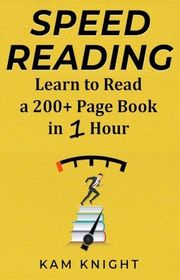
For readers who want a compact set of attention and reading exercises. Its practical format makes individual techniques easy to try, though the one-hour claim in the title should be weighed against your comprehension and the material’s difficulty.
What it's about
Kam Knight presents techniques intended to improve reading efficiency through attention, visual practice and changes to reading habits. Exercises encourage readers to examine their current approach, practice new methods and assess how well they retain information.
Sources
- 1
What Are The Best Speed Reading Books?
speedreadinglounge.com
- 2
The Best Speed Reading Books, Honestly Reviewed
rsvpreaderapp.site
- 3
Speed Reading Books
goodreads.com
- 4
7 Best Speed Reading Books
readlax.com
- 5
11 Best Books to Learn and Master Speed Reading
developgoodhabits.com
- 6
49 Best Speed Reading Books of All Time
shortform.com
- 7
Reading exercises
studenthublive.open.ac.uk
- 8
Want To Read Faster
reddit.com
- 9
How did you learn to speed read?
reddit.com





Edited by
Software engineer whose passion for tracking book recommendations from podcasts inspired the creation of MRB.
Lead investor at 3one4 Capital whose startup expertise and love for books helped shape MRB and its growth.
Comments
Spotted a missing book, a wrong order or a mistake? Tell us and we'll fix this page.
We're a reading guide, not the author or publisher, so we can't send books or pass on messages.