
10 Best Judo Books
The best judo books, ranked by expert source recommendations, with notes to help you choose technique references, kata studies, and introductions to judo’s principles.
Our take
Judo combines throws, groundwork, balance, timing, and an educational philosophy about how to use effort well. Its books serve different purposes. A general manual can help you recognize techniques and review details after class, while a specialized reference explains variations or formal exercises. Essays and historical writings address what training is meant to develop beyond winning an exchange.
Kodokan Judo offers a broad foundation, and Best Judo provides photographic instruction across standing and grappling techniques. Judo Unleashed! is another practical companion for students who want clear explanations beside their training. For more focused study, Kodokan Judo Throwing Techniques examines technical classifications, while Judo Formal Techniques concentrates on kata. Mind Over Muscle develops Kano’s educational ideas, and The Canon of Judo provides a historical technical perspective. Start with a general manual that matches your class, then choose a specialized book around the questions that arise in practice.
10 books · 9 sources · Last updated
As an Amazon Associate, we earn from qualifying purchases (at no extra cost to you).
How to choose from this list
Skip to the full rankingIf you want a broad technical foundation: Kodokan Judo → Best Judo
If you want an illustrated companion to class: Judo Unleashed!
If you want precise throwing references: Kodokan Judo Throwing Techniques → The Canon of Judo
If you want to study kata: Judo Kata → Judo Formal Techniques
If you want the founder’s educational principles: Mind Over Muscle
If you want training and competition context: Mastering Judo
The 10 books, ranked
Ranked by how many expert sources name each book. Ties go to the book more people recommend.

For students who want a broad reference rooted in the Kodokan tradition. The combination of principles, terminology, and techniques gives practice a framework, though the formal presentation and photographs may need explanation from a teacher.
What it's about
Jigoro Kano presents the principles and techniques of Kodokan judo, including fundamental movements, free practice, and formal exercises. Illustrated explanations connect physical training with his guiding idea of using mental and physical energy efficiently.

Best Judo
For practitioners who want a single-volume technical companion covering standing and groundwork. The photographic sequences support reviewing class material, though the historical competition context and static images need interpretation during live practice.
What it's about
Isao Inokuma and Nobuyuki Sato present illustrated instruction in judo fundamentals, from posture and movement to throwing and grappling. Photographic sequences explain techniques, escapes, and combinations, while training advice supports practice by beginners and experienced judoka.

For judoka studying throwing and grappling kata in detail. The attention to both partners and transitional movements clarifies formal practice, though the dense precision is best used with instruction rather than as a casual introduction.
What it's about
Donn F. Draeger and Tadao Otaki explain Kodokan throwing and grappling kata through detailed instructions, photographs, and drawings. The manual addresses both partners' roles, transitional movements, grips, stances, and postures while examining the intent behind formal practice.
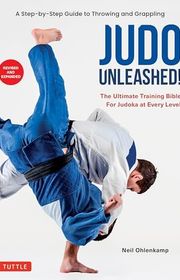
Judo Unleashed!
For students who want a clear illustrated companion to what they learn in class. The photographs and explanations make technical details easier to revisit, though a book cannot reproduce timing, resistance, or an instructor’s individual feedback.
What it's about
Neil Ohlenkamp introduces judo principles, training, and techniques in an illustrated manual for developing practitioners. Explanations and photographic sequences connect throws and groundwork with the movements and decisions students encounter as they progress in class and practice.
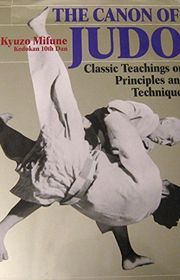
For readers who want a historical technical perspective from a major Kodokan practitioner. The principles and varied applications reward close study, though the formal demonstrations and older photographic style call for context from an experienced instructor.
What it's about
Kyuzo Mifune presents judo principles and techniques through explanations and illustrated demonstrations. The work examines balance, movement, throws, and applications, preserving a technical and philosophical account of judo from one of its early leading practitioners.

Kodokan Judo Throwing Techniques
For experienced students and instructors who want precise distinctions among throws and their variations. The systematic terminology makes it useful for reference, though the detailed classification and static photographs can overwhelm a beginner seeking immediate practice cues.
What it's about
Toshiro Daigo explains the classification and terminology of Kodokan judo throws, detailing sixty-seven official techniques and their variations. Extensive photographs accompany the text, clarifying forms used in competition and free practice for practitioners seeking a systematic reference.

For readers who want the educational purpose behind judo as well as its physical practice. Kano’s writings connect efficient effort with personal development, though they offer principles and reflection rather than a photographed technique course.
What it's about
This collection brings together Jigoro Kano’s teachings from decades of writing and lectures. It explains the principles behind judo, especially efficient use of energy, and explores the martial art’s broader role in education and personal development.
Also recommended by
1 person Jocko Willink recommended this book
Jocko Willink
Jocko Willink covered this book in "Jocko Podcast" Ep. 119
Jocko Willink's recommendation of this book

For learners who want balance, timing, and movement broken into manageable ideas. The drawings and structured explanations encourage attention to fundamentals, though the older presentation provides less help with contemporary competitive tactics and moving demonstrations.
What it's about
Eric Dominy introduces judo principles and techniques through a structured course supported by drawings. The handbook explains balance, disrupting an opponent's balance, timing, throws, and counters by breaking movements into parts that readers can study step by step.

Mastering Judo
For judoka who want techniques connected with training habits, preparation, and match planning. The broad approach helps place individual skills in context, though competition-specific advice should be compared with the rules and coaching used in your club.
What it's about
The Takahashi family introduces judo's history, culture, principles, and training alongside techniques and competition tactics. Topics include etiquette, mindset, breakfalls, grips, combinations, physical preparation, and match planning, connecting traditional practice with the modern sport.

For judoka who want to understand why kata belongs alongside free practice. The range of essays gives formal training historical and practical context, though it is a discussion of purpose rather than a single step-by-step technical syllabus.
What it's about
This anthology brings together judo authorities to examine kata's purposes, historical development, practice, and place in competition. Essays consider the relationship between formal exercises and free practice, alongside throwing principles, timing, and debates about sporting traditions.
Sources
- 1
Judo Books
ijf.org
- 2
10 Best Judo Books of All Time
sportsfoundation.org
- 3
Judo Book Library - Starting Suggestions
bestjudo.com
- 4
Judo Bibliography -- books
judoinfo.com
- 5
The Best Books to learn Judo
budodragon.com
- 6
10 Best Judo Books for Technique
kokakids.co.uk
- 7
Best Judo Books
goodreads.com
- 8
What are books on judo worth reading?
reddit.com
- 9
Judo book for beginner with clear pictures
reddit.com









Edited by
Software engineer whose passion for tracking book recommendations from podcasts inspired the creation of MRB.
Lead investor at 3one4 Capital whose startup expertise and love for books helped shape MRB and its growth.
Comments
Did we miss something? Have feedback?
Help us improve this page by sharing your thoughts