
17 Best John Steinbeck Books
The best John Steinbeck books, ranked by how many expert sources recommend each one, with notes on novels, family sagas, travel writing, and where to start.
Our take
John Steinbeck writes about people trying to hold on to dignity, friendship, and hope when circumstances turn against them. Much of his fiction grows from California’s farms, valleys, and coastal communities, but his interests also take him toward political resistance, moral compromise, travel, and the natural world. His range includes compact parables, linked stories, and novels that follow families across generations.
Of Mice and Men offers a short, emotionally concentrated introduction. Cannery Row shows a warmer, more loosely structured side, while The Grapes of Wrath joins one family’s struggles to a much larger social picture. East of Eden makes room for an extended exploration of inherited conflict and personal choice. For nonfiction, Travels with Charley offers an observant traveling companion. Start with Cannery Row for community and humor, or Of Mice and Men if you want a brief story with a lasting emotional weight.
17 books · 8 sources · Last updated
As an Amazon Associate, we earn from qualifying purchases (at no extra cost to you).
Reading John Steinbeck in order? See all John Steinbeck books in order
How to choose from this list
Skip to the full rankingIf you're new to Steinbeck: Of Mice and Men → Cannery Row
If you want the larger social novels: The Grapes of Wrath → East of Eden
If you prefer linked stories: The Pastures of Heaven → The Long Valley
If you want to revisit Cannery Row: Cannery Row → Sweet Thursday
If you prefer nonfiction: Travels with Charley → Sea of Cortez
If you want political and moral conflict: In Dubious Battle → The Winter of Our Discontent
The 17 books, ranked
Ranked by how many expert sources name each book. Ties go to the book more people recommend.
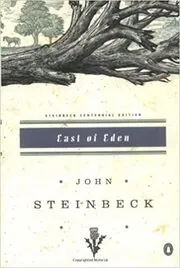
East of Eden
For readers who want Steinbeck at his broadest on family, freedom, and moral choice. Its generations of conflict give the ideas emotional scope, though the length and explicit biblical parallels require a substantial commitment.
What it's about
East of Eden retells the Cain and Abel story through two California families in the Salinas Valley, tracing generations of jealousy, guilt, and forgiveness as children struggle against the patterns laid down by their parents.
Also recommended by
5 people Jordan Peterson recommended this book
Jordan Peterson
Recommended on Jordan Peterson's website.
Jordan Peterson's recommendation of this book  Oprah Winfrey recommended this book
Oprah Winfrey
"So rich and full of drama you won't be able to turn the pages fast enough!" - Oprah Winfrey
Oprah Winfrey's recommendation of this book  Emma Watson recommended this book
Emma Watson
On the "books read" section of Emma Watson's GoodReads profile.
Emma Watson's recommendation of this book  Sam Hinkie recommended this book
Sam Hinkie
"Pls everyone read [this book]." - Sam Hinkie
Sam Hinkie's recommendation of this book  Jenn Im recommended this book
Jenn Im
"A f***ing classic." - Jenn Im
Jenn Im's recommendation of this book
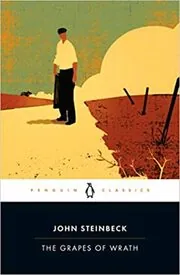
The Grapes of Wrath
For readers who want intimate family experience joined to a forceful account of economic injustice. Its social reach makes it central to Steinbeck’s work, though the intervening commentary and suffering create a demanding reading experience.
What it's about
The Grapes of Wrath chronicles the Joad family’s journey from Dust Bowl Oklahoma to California, blending intimate family scenes with broader portraits of migrant camps, roadside hardship, and the fight for dignity during the Great Depression.
Also recommended by
4 people Michelle Obama recommended this book
Michelle Obama
"I reread [this book] with the girls, too." - Michelle Obama
Michelle Obama's recommendation of this book - Jordan Peterson recommended this book
Jordan Peterson
Recommended on Jordan Peterson's website.
Jordan Peterson's recommendation of this book  Christopher Hitchens recommended this book
Christopher Hitchens
"[The author's] 1939 classic." - Christopher Hitchens
Christopher Hitchens's recommendation of this book  Nelson Mandela recommended this book
Nelson Mandela
"I found many similarities between the plight of the migrant workers in [this novel] and our own laborers and farmworkers." - Nelson Mandela
Nelson Mandela's recommendation of this book
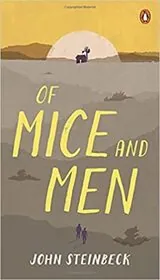
Of Mice and Men
For newcomers who want a short, concentrated introduction to Steinbeck’s concern with friendship and vulnerability. Its dramatic structure moves quickly, though the emotional severity and dated depictions of disability deserve a thoughtful reading.
What it's about
Of Mice and Men follows migrant ranch hands George and Lennie, close friends chasing a simple dream of their own small farm, as one impulsive act on a California ranch threatens both their livelihood and their fragile hope.
Also recommended by
2 people- Jordan Peterson recommended this book
Jordan Peterson
Recommended on Jordan Peterson's website.
Jordan Peterson's recommendation of this book  Kathie Lee Gifford recommended this book
Kathie Lee Gifford
"I felt very adult reading this book. I loved the dueling simplicity and complexity." - Kathie Lee Gifford
Kathie Lee Gifford's recommendation of this book
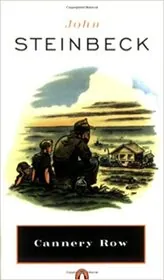
For readers drawn to eccentric communities and small acts of generosity. Its loose, affectionate episodes offer a gentler entry than the larger social novels, though readers wanting a strong central plot may find it meandering.
What it's about
Cannery Row paints a series of warm, rough‑edged scenes along the sardine canneries of Monterey, following Doc, Mack and the boys, the Bear Flag women, and other misfits whose small acts of generosity keep their battered community going.
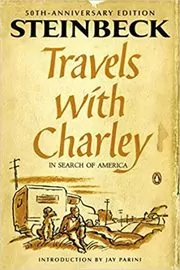
For readers who prefer an observant travel voice to a fictional plot. Its mixture of conversation and reflection makes a companionable introduction, though it is best approached as shaped storytelling rather than an unfiltered documentary record.
What it's about
Travels with Charley recounts Steinbeck’s 1960 road trip across the United States with his poodle, Charley, as he drives a camper named Rocinante, meeting strangers and taking stock of a changing country he had spent decades writing about.
Also recommended by
3 people Richard Branson recommended this book
Richard Branson
Richard Branson recommended this book on his "70 must-read books" blog post.
Richard Branson's recommendation of this book  Tim Ferriss recommended this book
Tim Ferriss
"Beautifully written, simply written, and hilarious." - Tim Ferriss
Tim Ferriss's recommendation of this book  Austen Allred recommended this book
Austen Allred
"Most American book of all time." - Austen Allred
Austen Allred's recommendation of this book
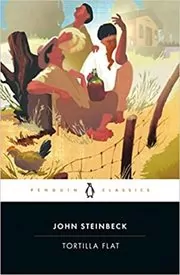
Tortilla Flat
For readers who enjoy episodic comedy about friendship and life outside respectable expectations. Its mock-heroic tone gives it a distinctive lightness, though the romanticized ethnic portrayals can feel limiting and dated.
What it's about
Tortilla Flat is a comic, bittersweet tale of Danny and his paisano friends in Monterey, men who share two inherited houses, plenty of wine, and a loose code of honor that keeps their makeshift brotherhood together.
Also recommended by
1 person- Christopher Hitchens recommended this book
Christopher Hitchens
"[The main character] manages to lay so many women that, afterward, even the females who didn’t receive his attentions prefer to claim, rather than appear to have been overlooked, that they were included, too." - Christopher Hitchens
Christopher Hitchens's recommendation of this book
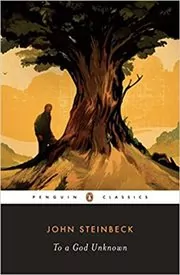
To a God Unknown
For readers interested in Steinbeck’s more symbolic, spiritually charged writing about the land. Its intensity differs from the observational community novels, though the heavy symbolism and uneven early style can make it a difficult starting point.
What it's about
To a God Unknown centers on homesteader Joseph Wayne, whose fierce devotion to his California land takes on spiritual overtones as drought, family conflict, and strange rituals test how far one man will go to keep his valley alive.
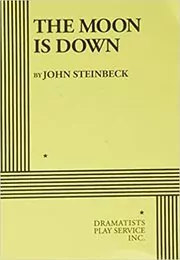
The Moon is Down
For readers seeking a brief political fable about occupation and resistance. Its clear dramatic conflicts make the moral questions accessible, though its wartime purpose gives it a more schematic shape than Steinbeck’s richer community portraits.
What it's about
The Moon is Down is a wartime fable about a small European town quietly resisting occupation by an unnamed invading army, showing both the occupiers’ unease and the villagers’ stubborn refusal to accept that their freedom can be permanently crushed.
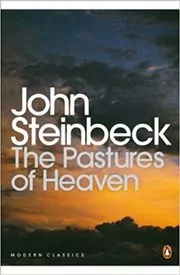
The Pastures of Heaven
For readers who enjoy linked stories and a community revealed through private disappointments. Its shifting focus offers several entry points into Steinbeck’s California, though the quiet cumulative structure provides less momentum than a single narrative.
What it's about
The Pastures of Heaven is a cycle of linked stories set in a beautiful California valley, each chapter focusing on a different family whose private dreams, secrets, and disappointments quietly reshape life in this seemingly peaceful community.
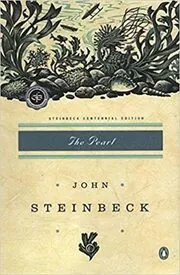
The Pearl
For readers who want a short moral parable with clear emotional stakes. Its simplicity makes it accessible, though the symbolic characters and uncompromising warning about wealth offer less ambiguity than the longer novels.
What it's about
The Pearl is a parable about Kino, a poor pearl diver whose discovery of an enormous pearl promises security for his young family but instead draws greed, envy, and violence, forcing him to decide what the treasure is truly worth.
In Dubious Battle
For readers who want a tense examination of labor organizing and collective action. Its focus on tactics and compromised ideals gives political conflict immediacy, though the narrower emotional register can feel severe.
What it's about
In Dubious Battle follows party organizer Mac and young recruit Jim as they help lead a fruit pickers’ strike in a California valley, exploring how idealism, crowd psychology, and escalating violence shape a labor battle from the inside.
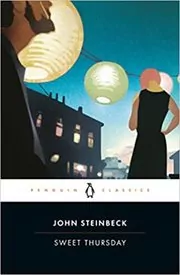
For readers who want to revisit Cannery Row’s community with a more sustained romantic thread. Its warmth and comic plotting make a comfortable follow-up, though the sentiment can feel stronger than the earlier book’s restraint.
What it's about
Sweet Thursday returns to Cannery Row after World War II, when Doc comes home to a quieter, more rundown street and gradually falls in love with Suzy, a newcomer the locals and Mack and the boys do their best—sometimes chaotically—to help.
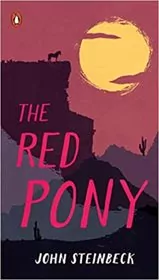
The Red Pony
For readers who want Steinbeck’s rural world through the sharply felt experiences of childhood. The linked stories provide a compact introduction, though their encounters with loss are harsher than the title might suggest.
What it's about
The Red Pony gathers four stories about Jody Tiflin, a rancher’s son whose experiences with a beloved colt, aging horses, and visiting relatives force him to confront loss, responsibility, and the complicated lives of the adults around him.
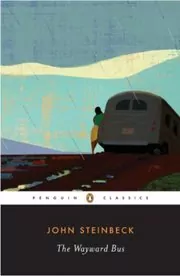
The Wayward Bus
For readers interested in an ensemble of strangers whose private motives emerge under pressure. Its confined setting makes character tensions vivid, though the small scale and deliberately unflattering portraits can feel claustrophobic.
What it's about
The Wayward Bus strands a mixed group of passengers and their driver on a back road in rural California, using the breakdown of a battered bus to peel back polite surfaces and expose the desires, grudges, and compromises each traveler carries.
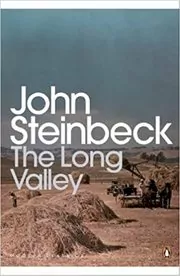
The Long Valley
For readers who want to explore Steinbeck in shorter forms beyond the familiar novels. Its varied stories reveal a wider range of relationships and tensions, though the shifts in tone make the collection uneven in impact.
What it's about
The Long Valley is a collection of Steinbeck’s best‑known short stories, many set in the Salinas Valley, featuring ranchers, lonely wives, drifters, and children in tightly focused pieces that explore desire, violence, and the pull of the land.
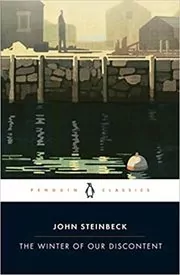
The Winter of Our Discontent
For readers who want a later Steinbeck novel about respectable ambition and compromised integrity. Its inward focus gives ordinary dishonesty weight, though the reflective pace differs from his more expansive California stories.
What it's about
The Winter of Our Discontent follows Ethan Allen Hawley, a decent but frustrated grocery clerk in a New England town, as tempting shortcuts and small dishonesties slowly pull him toward a moral crisis that threatens his family and self‑respect.
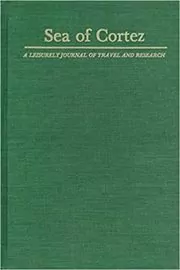
For readers interested in Steinbeck’s ecological thinking and partnership with Ed Ricketts. Its combination of observation and reflection broadens the picture beyond his fiction, though the scientific material makes it more specialized than a travel memoir.
What it's about
Sea of Cortez combines travel narrative and marine biology as Steinbeck and his friend Ed Ricketts charter a boat to collect sea creatures in the Gulf of California, recording tide pools, small coastal towns, and wide‑ranging conversations about science and philosophy.
Sources
- 1
The 13 Best John Steinbeck Books
publishersweekly.com
- 2
The 15 Best John Steinbeck Books Everyone Should Read
reedsy.com
- 3
8 essential John Steinbeck books everyone should read
themanual.com
- 4
12 Best John Steinbeck Books to Broaden Your Perspective
tckpublishing.com
- 5
John Steinbeck's 5 Most Iconic Works
bookmarks.reviews
- 6
John Steinbeck Fiction Reading List
goodreads.com
- 7
what book by John Steinbeck should i read first?
reddit.com
- 8
John Steinbeck
penguinrandomhouse.com






Edited by
Software engineer whose passion for tracking book recommendations from podcasts inspired the creation of MRB.
Lead investor at 3one4 Capital whose startup expertise and love for books helped shape MRB and its growth.
Comments
Spotted a missing book, a wrong order or a mistake? Tell us and we'll fix this page.
We're a reading guide, not the author or publisher, so we can't send books or pass on messages.