
John Steinbeck Books in Order
This page gathers John Steinbeck's books in order, with brief summaries, background on his major works, and clear suggestions on where to start exploring his novels, stories, and nonfiction.
Last updated:
As an Amazon Associate, we earn from qualifying purchases (at no extra cost to you).
John Steinbeck books in publication order
45 books
Cup of Gold
by John Steinbeck
1929
Cup of Gold is a historical adventure about seventeenth‑century privateer Henry Morgan, following his rise from farm boy to feared Caribbean captain and his obsessive quest to capture Panama City and the mysterious woman he imagines waiting there.
The Pastures of Heaven
by John Steinbeck
1932
The Pastures of Heaven is a cycle of linked stories set in a beautiful California valley, each chapter focusing on a different family whose private dreams, secrets, and disappointments quietly reshape life in this seemingly peaceful community.
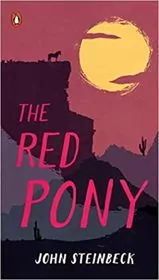
The Red Pony
by John Steinbeck
1933
The Red Pony gathers four stories about Jody Tiflin, a rancher’s son whose experiences with a beloved colt, aging horses, and visiting relatives force him to confront loss, responsibility, and the complicated lives of the adults around him.
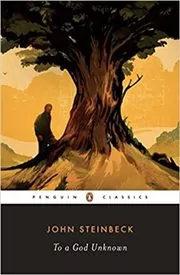
To a God Unknown
by John Steinbeck
1933
To a God Unknown centers on homesteader Joseph Wayne, whose fierce devotion to his California land takes on spiritual overtones as drought, family conflict, and strange rituals test how far one man will go to keep his valley alive.
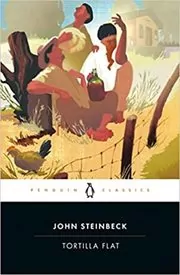
Tortilla Flat
by John Steinbeck
1935
Tortilla Flat is a comic, bittersweet tale of Danny and his paisano friends in Monterey, men who share two inherited houses, plenty of wine, and a loose code of honor that keeps their makeshift brotherhood together.
Recommended by
1 person Christopher Hitchens recommended this book
Christopher Hitchens
"[The main character] manages to lay so many women that, afterward, even the females who didn’t receive his attentions prefer to claim, rather than appear to have been overlooked, that they were included, too." - Christopher Hitchens
Christopher Hitchens's recommendation of this book
In Dubious Battle
by John Steinbeck
1936
In Dubious Battle follows party organizer Mac and young recruit Jim as they help lead a fruit pickers’ strike in a California valley, exploring how idealism, crowd psychology, and escalating violence shape a labor battle from the inside.
Nothing So Monstrous
by John Steinbeck
1936
Nothing So Monstrous is a short tale from Steinbeck’s Pastures of Heaven stories, portraying a shy, bookish father and his son whose quiet life is disrupted by well‑meant charity, raising questions about pride, shame, and what counts as true kindness.
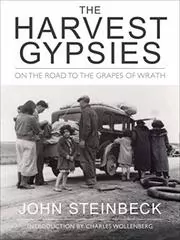
The Harvest Gypsies
by John Steinbeck
1936
The Harvest Gypsies collects Steinbeck’s 1936 newspaper articles on migrant farmworkers in California, offering clear, compassionate reporting on squatter camps, company ranches, and government camps that helped lay the groundwork for The Grapes of Wrath.
Of Mice and Men
by John Steinbeck
1937
Of Mice and Men follows migrant ranch hands George and Lennie, close friends chasing a simple dream of their own small farm, as one impulsive act on a California ranch threatens both their livelihood and their fragile hope.
Recommended by
2 people Jordan Peterson recommended this book
Jordan Peterson
Recommended on Jordan Peterson's website.
Jordan Peterson's recommendation of this book  Kathie Lee Gifford recommended this book
Kathie Lee Gifford
"I felt very adult reading this book. I loved the dueling simplicity and complexity." - Kathie Lee Gifford
Kathie Lee Gifford's recommendation of this book
Flight
by John Steinbeck
1938
Flight tells the story of Pepé, a young Mexican‑Indian man who kills another man in a moment of anger and flees into the mountains, where a relentless manhunt becomes a harsh test of courage, fate, and what it means to be a man.
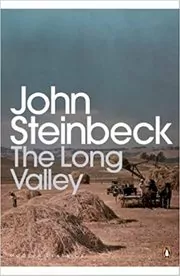
The Long Valley
by John Steinbeck
1938
The Long Valley is a collection of Steinbeck’s best‑known short stories, many set in the Salinas Valley, featuring ranchers, lonely wives, drifters, and children in tightly focused pieces that explore desire, violence, and the pull of the land.

The Vigilante
by John Steinbeck
1938
The Vigilante unfolds over a single night as a seemingly ordinary man joins a lynch mob and then returns home, forcing readers to watch how he talks about what happened, what he remembers, and what he stubbornly refuses to feel.
The Grapes of Wrath
by John Steinbeck
1939
The Grapes of Wrath chronicles the Joad family’s journey from Dust Bowl Oklahoma to California, blending intimate family scenes with broader portraits of migrant camps, roadside hardship, and the fight for dignity during the Great Depression.
Recommended by
4 people Michelle Obama recommended this book
Michelle Obama
"I reread [this book] with the girls, too." - Michelle Obama
Michelle Obama's recommendation of this book - Jordan Peterson recommended this book
Jordan Peterson
Recommended on Jordan Peterson's website.
Jordan Peterson's recommendation of this book - Christopher Hitchens recommended this book
Christopher Hitchens
"[The author's] 1939 classic." - Christopher Hitchens
Christopher Hitchens's recommendation of this book  Nelson Mandela recommended this book
Nelson Mandela
"I found many similarities between the plight of the migrant workers in [this novel] and our own laborers and farmworkers." - Nelson Mandela
Nelson Mandela's recommendation of this book
The Forgotten Village
by John Steinbeck
1941
The Forgotten Village combines Steinbeck’s narrative with documentary photographs to depict a Mexican village confronting disease, folk medicine, and visiting doctors, tracing one family’s choices as modern vaccines challenge long‑held beliefs and the authority of a traditional healer.
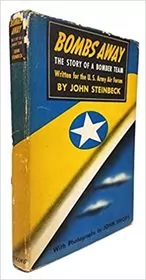
Bombs Away
by John Steinbeck
1942
Bombs Away is Steinbeck’s nonfiction portrait of a World War II bomber crew, describing the demanding training and tightly coordinated work of pilots, navigators, bombardiers, gunners, and radio men in an effort to boost morale and explain their dangerous job.
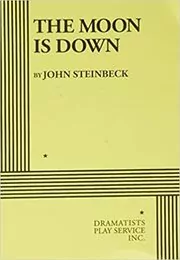
The Moon is Down
by John Steinbeck
1942
The Moon is Down is a wartime fable about a small European town quietly resisting occupation by an unnamed invading army, showing both the occupiers’ unease and the villagers’ stubborn refusal to accept that their freedom can be permanently crushed.
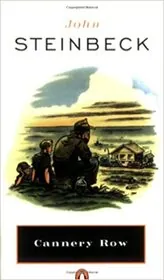
Cannery Row
by John Steinbeck
1945
Cannery Row paints a series of warm, rough‑edged scenes along the sardine canneries of Monterey, following Doc, Mack and the boys, the Bear Flag women, and other misfits whose small acts of generosity keep their battered community going.
The Pearl
by John Steinbeck
1947
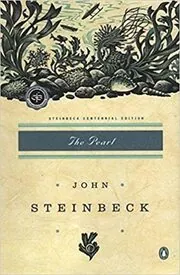
The Pearl is a parable about Kino, a poor pearl diver whose discovery of an enormous pearl promises security for his young family but instead draws greed, envy, and violence, forcing him to decide what the treasure is truly worth.
The Wayward Bus
by John Steinbeck
1947
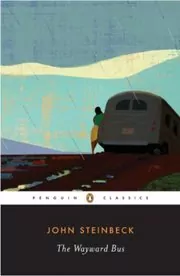
The Wayward Bus strands a mixed group of passengers and their driver on a back road in rural California, using the breakdown of a battered bus to peel back polite surfaces and expose the desires, grudges, and compromises each traveler carries.
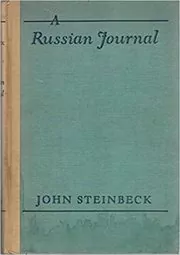
A Russian Journal
by John Steinbeck
1948
A Russian Journal documents Steinbeck’s 1947 trip through the Soviet Union with photographer Robert Capa, offering plain, ground‑level sketches of everyday life in Moscow, Kiev, Stalingrad, and rural Georgia at the start of the Cold War.
Burning Bright
by John Steinbeck
1950
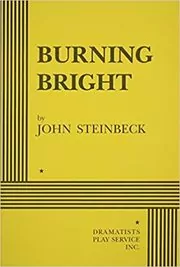
Burning Bright is an experiment in play‑as‑novella form, telling the story of Joe Saul, an aging man desperate for a child, whose wife conceives with another man; each act resets the characters in a new setting to explore loyalty and parenthood.
Sea of Cortez
by John Steinbeck
1951
Sea of Cortez combines travel narrative and marine biology as Steinbeck and his friend Ed Ricketts charter a boat to collect sea creatures in the Gulf of California, recording tide pools, small coastal towns, and wide‑ranging conversations about science and philosophy.
The Log from the Sea of Cortez
by John Steinbeck
1951
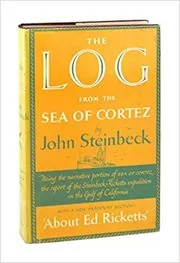
The Log from the Sea of Cortez presents the narrative portion of that collecting voyage, trimmed free of scientific lists and framed by a moving portrait of Ricketts, giving readers both a lively boat trip and insight into a friendship that shaped Steinbeck’s work.
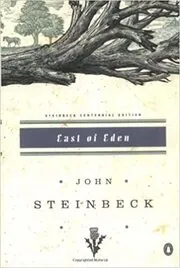
East of Eden
by John Steinbeck
1952
East of Eden retells the Cain and Abel story through two California families in the Salinas Valley, tracing generations of jealousy, guilt, and forgiveness as children struggle against the patterns laid down by their parents.
Recommended by
5 people- Jordan Peterson recommended this book
Jordan Peterson
Recommended on Jordan Peterson's website.
Jordan Peterson's recommendation of this book  Oprah Winfrey recommended this book
Oprah Winfrey
"So rich and full of drama you won't be able to turn the pages fast enough!" - Oprah Winfrey
Oprah Winfrey's recommendation of this book  Emma Watson recommended this book
Emma Watson
On the "books read" section of Emma Watson's GoodReads profile.
Emma Watson's recommendation of this book  Sam Hinkie recommended this book
Sam Hinkie
"Pls everyone read [this book]." - Sam Hinkie
Sam Hinkie's recommendation of this book  Jenn Im recommended this book
Jenn Im
"A f***ing classic." - Jenn Im
Jenn Im's recommendation of this book
The Short Novels of John Steinbeck
by John Steinbeck
1953
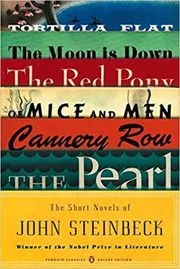
The Short Novels of John Steinbeck gathers six of his most popular shorter works in one volume, including Tortilla Flat, Of Mice and Men, The Red Pony, Cannery Row, The Pearl, and The Moon Is Down, with a critical introduction.
Sweet Thursday
by John Steinbeck
1954
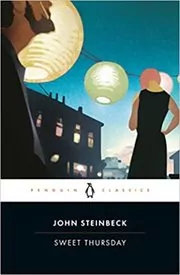
Sweet Thursday returns to Cannery Row after World War II, when Doc comes home to a quieter, more rundown street and gradually falls in love with Suzy, a newcomer the locals and Mack and the boys do their best—sometimes chaotically—to help.
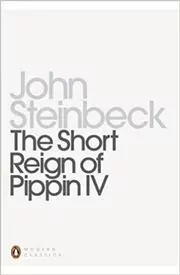
The Short Reign of Pippin IV
by John Steinbeck
1957
The Short Reign of Pippin IV is a light political satire set in 1950s France, where mild‑mannered amateur astronomer Pippin Héristal is unexpectedly made king and discovers how little power and privacy a modern monarch really has.
Once There Was a War
by John Steinbeck
1958
Once There Was a War collects Steinbeck’s World War II newspaper columns, vivid sketches of troop ships, airfields, mess halls, and small towns that focus on the daily lives and voices of ordinary soldiers and support workers rather than generals.
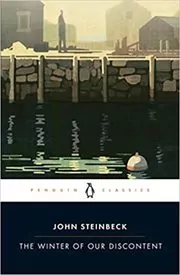
The Winter of Our Discontent
by John Steinbeck
1961
The Winter of Our Discontent follows Ethan Allen Hawley, a decent but frustrated grocery clerk in a New England town, as tempting shortcuts and small dishonesties slowly pull him toward a moral crisis that threatens his family and self‑respect.
Travels with Charley
by John Steinbeck
1962
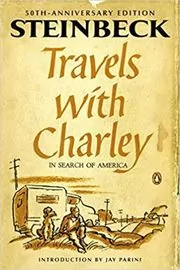
Travels with Charley recounts Steinbeck’s 1960 road trip across the United States with his poodle, Charley, as he drives a camper named Rocinante, meeting strangers and taking stock of a changing country he had spent decades writing about.
Recommended by
3 people Richard Branson recommended this book
Richard Branson
Richard Branson recommended this book on his "70 must-read books" blog post.
Richard Branson's recommendation of this book  Tim Ferriss recommended this book
Tim Ferriss
"Beautifully written, simply written, and hilarious." - Tim Ferriss
Tim Ferriss's recommendation of this book  Austen Allred recommended this book
Austen Allred
"Most American book of all time." - Austen Allred
Austen Allred's recommendation of this book
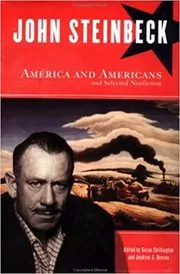
America and Americans
by John Steinbeck
1966
America and Americans pairs Steinbeck’s long essay on the character of the United States in the 1960s with photo‑essays and shorter pieces, offering an unsentimental, questioning look at racism, wealth, idealism, and the gap between American myths and daily life.
In Touch
by John Steinbeck
1969
In Touch, written by John Steinbeck’s son John Steinbeck IV, is a candid memoir of a young American’s year in Vietnam and his later marijuana trial in Washington, D.C., blending war reporting, counterculture portrait, and reflections on generational divides.
Journal of a Novel
by John Steinbeck
1969
Journal of a Novel: The East of Eden Letters presents Steinbeck’s working journal for East of Eden, a series of intimate letters to his editor written alongside the manuscript that reveal his doubts, daily routines, family worries, and hopes for the book.
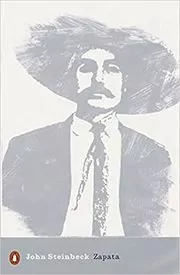
Zapata
by John Steinbeck
1975
Zapata brings together Steinbeck’s narrative of Mexican revolutionary Emiliano Zapata and the screenplay that became the film Viva Zapata!, tracing Zapata’s rise from peasant farmer to revolutionary leader and his struggle to defend village land against corrupt power.
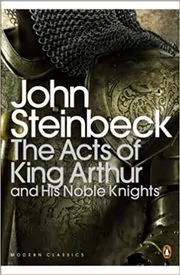
The Acts of King Arthur and His Noble Knights
by John Steinbeck
1976
The Acts of King Arthur and His Noble Knights is Steinbeck’s modern retelling of Malory’s Arthurian tales, reworking stories of Arthur, Merlin, Lancelot, and Guinevere in accessible language while probing the motives, doubts, and ideals behind familiar legends.
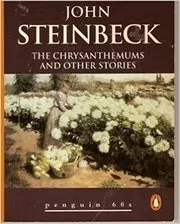
The Chrysanthemums and Other Stories
by John Steinbeck
1979
The Chrysanthemums and Other Stories is a small collection built around Steinbeck’s classic tale of Elisa Allen, a farmer’s wife whose pride in her chrysanthemums collides with frustration at her confined life, alongside other Salinas Valley pieces about quiet turning points.

On Writing
by John Steinbeck
1988
On Writing is a brief pamphlet that gathers Steinbeck’s reflections on the craft of fiction, offering practical thoughts on discipline, revision, storytelling, and the working life of a novelist in a conversational, no‑nonsense voice.
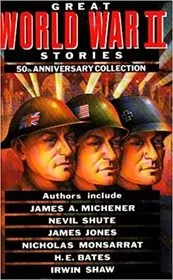
Great World War II Stories
by Irwin Shaw, JG Ballard, Nevil Shute, Ewen Montagu, James Jones, W. Stanley Moss, James A. Michener, Richard Hillary, Kurt Vonnegut, Evelyn Waugh, Norman Mailer, Charles James Rolo, Bruce Marshall, Paul Brickhill, Graham Brooks, Cornelius Ryan, R. J. Minney, Lindsay Baly, P. R. Reed, Guy Gibson, Nella Last, Joseph Heller, Martha Gellhorn, Raymond Paull, H. E. Bates, Ronald Seth, John Prebble, Nancy Wake, F. J. Salfeld, John Steinbeck, Nicholas Monsarrat, R. L. Crimp, James Aldridge, Robert J. Casey & John Hersey
1989
An anthology of significant short fiction about World War II. Michener provides the introduction and selects stories that capture the global scale and human cost of the conflict.

Steinbeck: A Life in Letters
by John Steinbeck
1989
Steinbeck: A Life in Letters presents hundreds of Steinbeck’s letters from youth to his final years, revealing his humor, doubts, working habits, family life, and reactions to fame far more directly than any formal biography can.
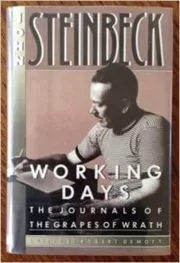
Working Days
by John Steinbeck
1989
Working Days prints Steinbeck’s private journal from the years he wrote The Grapes of Wrath, day‑by‑day entries that trace his struggle to keep going through illness, distraction, money worries, and fear that the book might fail.
The Gift
by John Steinbeck
1992
The Gift is Steinbeck’s story of young Jody Tiflin receiving a red colt from his father, a long‑awaited present that brings pride, hard work, and a first encounter with the way joy and loss often arrive together on a ranch.
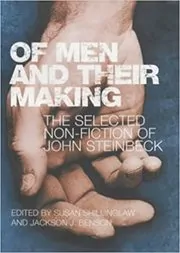
Of Men and Their Making
by John Steinbeck
2002
Of Men and Their Making collects Steinbeck’s nonfiction—war dispatches, travel pieces, and essays such as America and Americans—showing him as a journalist and observer who reported on migrant camps, battlefields, and city streets with the same clear, human eye as his novels.
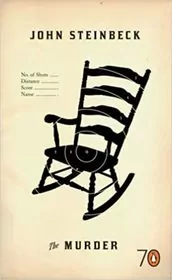
Murder
by John Steinbeck
2005
Murder, often published as The Murder, is a stark short story about Jim Moore, a California rancher married to a quiet immigrant wife, whose jealousy and fear lead to a shocking act that raises unsettling questions about love, violence, and control.
The Chrysanthemums
by John Steinbeck
2007
The Chrysanthemums follows Elisa Allen, a skilled gardener on a California ranch, whose brief encounter with a traveling tinker awakens hope, desire, and frustration, all symbolized through the chrysanthemums she tends so carefully.
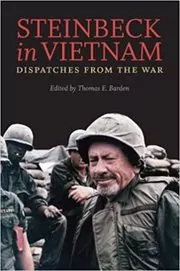
Steinbeck in Vietnam
by John Steinbeck
2012
Steinbeck in Vietnam gathers the letters Steinbeck wrote as a war correspondent in 1966–67, reporting from bases and patrols in Southeast Asia while wrestling with his support for the war, his sons’ service, and the human cost he witnessed.
Where to start with John Steinbeck
If you want his most famous novels first: Of Mice and Men → The Grapes of Wrath → East of Eden
If you prefer shorter, symbolic stories: The Pearl → The Red Pony → The Chrysanthemums → The Long Valley
If you love place‑driven California stories: Tortilla Flat → Cannery Row → Sweet Thursday
If nonfiction and travel appeal to you: Travels with Charley → A Russian Journal → America and Americans
If you’re curious about his writing process: Working Days → Journal of a Novel → Steinbeck: A Life in Letters
John Steinbeck sub-series and character series
John Steinbeck collections, short stories, and related book types
Short Stories/Novellas
Collections
Non-Fiction
Plays
Standalone John Steinbeck books
by Irwin Shaw, JG Ballard, Nevil Shute, Ewen Montagu, James Jones, W. Stanley Moss, James A. Michener, Richard Hillary, Kurt Vonnegut, Evelyn Waugh, Norman Mailer, Charles James Rolo, Bruce Marshall, Paul Brickhill, Graham Brooks, Cornelius Ryan, R. J. Minney, Lindsay Baly, P. R. Reed, Guy Gibson, Nella Last, Joseph Heller, Martha Gellhorn, Raymond Paull, H. E. Bates, Ronald Seth, John Prebble, Nancy Wake, F. J. Salfeld, John Steinbeck, Nicholas Monsarrat, R. L. Crimp, James Aldridge, Robert J. Casey & John Hersey
1989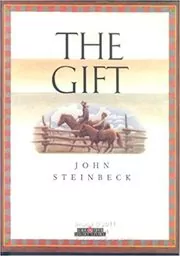
Author bio
John Steinbeck was born on February 27, 1902, in Salinas, a small farming town in California's Salinas Valley. His father worked a series of county jobs, including treasurer, while his mother had been a schoolteacher who filled the house with books. The valley's fields, river, and nearby Pacific coast became the landscape he carried into much of his fiction.
As a boy he spent more time outdoors than in, working on ranches, listening to hired hands, and wandering into the hills of what would later be called "Steinbeck Country."
After graduating from Salinas High School in 1919, Steinbeck attended Stanford University off and on for several years but never took a degree. He worked a string of jobs—laborer, factory worker, clerk, caretaker—while teaching himself how to write. In the mid‑1920s he tried his luck in New York City, publishing a few pieces but mostly learning how brutal rejection could be.
He returned to California, settled on the coast near Monterey and Pacific Grove, and kept writing. Early books like Cup of Gold, The Pastures of Heaven, and To a God Unknown reached small audiences but helped him find his subjects: land, family, faith, and the uneasy line between myth and everyday life.
Everything changed in the 1930s. Tortilla Flat introduced readers to the paisanos of Monterey and gave Steinbeck his first real commercial success, followed by In Dubious Battle, Of Mice and Men, and then The Grapes of Wrath, his 1939 novel about Dust Bowl migrants driving west to California.
In these books he drew directly on his reporting trips through farm camps and company towns, pairing plainspoken dialogue with a strong sense of place. His focus on ordinary workers, tenant farmers, and people pushed to the edge led to both fierce criticism and lasting admiration, and The Grapes of Wrath went on to win the Pulitzer Prize for fiction.
During the 1940s and 1950s Steinbeck kept changing shape as a writer. He wrote about marine biology and philosophy in Sea of Cortez and The Log from the Sea of Cortez, about wartime resistance in The Moon Is Down, and about parable‑like moral choices in The Pearl. His friendship with marine biologist Ed Ricketts, the model for Doc in Cannery Row and Sweet Thursday, deepened his interest in ecology and community.
In 1952 he published East of Eden, a sprawling family saga set in the Salinas Valley that he considered his most personal book. Later work such as Sweet Thursday and The Winter of Our Discontent turned a closer eye on postwar America, ambition, and the quiet compromises people make. In 1962 he received the Nobel Prize in Literature, recognized for his blend of humor, social conscience, and close attention to place.
Alongside the novels ran a steady current of journalism and travel writing. He reported from the front lines in World War II in Once There Was a War, explored the Soviet Union with photographer Robert Capa in A Russian Journal, circled the United States in Travels with Charley, and late in life wrote essays and dispatches collected in books such as America and Americans and Steinbeck in Vietnam.
Steinbeck was married three times and had two sons. Though he spent many years in New York, he kept returning in his work to the Salinas Valley, the Monterey waterfront, and the dry inland fields he knew as a child. He died in New York City on December 20, 1968, and his ashes were returned to Salinas, where readers still walk the streets and fields that shaped his stories.




Edited by
Software engineer whose passion for tracking book recommendations from podcasts inspired the creation of MRB.
Lead investor at 3one4 Capital whose startup expertise and love for books helped shape MRB and its growth.
Comments
Did we miss something? Have feedback?
Help us improve this page by sharing your thoughts