
12 Best Project Management Books
The best project management books, ranked by how many expert sources recommend each, with notes for managers, unofficial leads, and experienced practitioners.
Our take
Project management involves turning an agreed goal into coordinated work while keeping people, resources, and expectations aligned. Books approach that challenge in different ways: some teach schedules and budgets, some explain formal frameworks, and others concentrate on communication and judgment. The right starting point depends on whether you are leading your first small assignment, studying the discipline, or trying to improve an established delivery process.
Project Management Absolute Beginner’s Guide offers a practical introduction, while Project Management for the Unofficial Project Manager addresses coordination without a formal title. Making Things Happen puts decisions and team leadership at the center. Kerzner’s Project Management provides a much larger reference, and Scrum introduces an iterative approach to teamwork. Readers who prefer learning through a story can try The Deadline. Start with a guide matching your immediate responsibilities, then use formal references to deepen the methods you need. Check editions when your goal includes a current qualification or standard.
12 books · 9 sources · Last updated
As an Amazon Associate, we earn from qualifying purchases (at no extra cost to you).
How to choose from this list
Skip to the full rankingIf you’re managing your first project: Project Management Absolute Beginner's Guide
If you coordinate without formal authority: Project Management for the Unofficial Project Manager → Project Management for Humans
If you want practical leadership judgment: Making Things Happen → The Deadline
If you want to clarify objectives: Strategic Project Management Made Simple
If you want a substantial working reference: The Fast Forward MBA in Project Management
If you want an introduction to iterative teamwork: Scrum
The 12 books, ranked
Ranked by how many expert sources name each book. Ties go to the book more people recommend.

A Guide to the Project Management Body of Knowledge
For readers who need the formal vocabulary and organizing concepts behind project-management practice. This seventh edition provides a broad reference, though an eighth edition is now available and the guide is not a step-by-step beginner’s workbook.
What it's about
This seventh-edition reference organizes project management around twelve principles and eight performance domains. It covers predictive, agile, and hybrid approaches, explains how to tailor practices to context, and emphasizes project outcomes and value.

Project Management Absolute Beginner's Guide
For new project managers who want the main delivery tasks explained in a practical sequence. Its accessible coverage helps connect planning with execution, though experienced readers may want more depth on complex organizational or technical problems.
What it's about
Greg Horine introduces the tasks involved in managing a project from initial planning through closure. Practical guidance covers budgeting, scheduling, execution, team management, and learning from completed work, with techniques designed for inexperienced project managers.

For students and experienced practitioners who want a substantial reference linking planning, control, and organizational context. The systems perspective supports complex projects, though the length and textbook structure make it a demanding first introduction.
What it's about
Harold Kerzner presents a systems-based treatment of project planning, scheduling, and control. The reference connects organizational structure, leadership, costs, risk, and performance measurement, providing guidance for students and professionals managing complex projects.

For employees coordinating shared work without the title or authority of a formal project manager. Its people-centered examples make the role approachable, though larger or highly regulated projects require more detailed methods and governance.
What it's about
Kory Kogon and colleagues introduce project management for employees coordinating work without formal training. Examples and chapter reviews connect people-focused leadership with initiating, planning, executing, monitoring, and closing projects.

For readers who need to connect a project’s objectives with measurable outcomes before choosing tasks. The logical-framework questions sharpen alignment, though the structured approach can feel formal when goals are still being discovered.
What it's about
Terry Schmidt uses a logical framework to turn strategic ideas into actionable projects. Four questions clarify objectives, measures of success, necessary conditions, and implementation steps, with tools for aligning teams and managing execution.

For readers who want concise, usable guidance rather than a large certification reference. Its emphasis on delivery habits supports quick consultation, though the compact approach offers less depth than a full textbook or specialist treatment.
What it's about
Stephen Barker and Rob Cole offer practical guidance for managing projects within agreed deadlines and budgets. Drawing on their experience, they explain common delivery challenges and provide advice on project methods, training, and professional resources.

For readers who want project leadership explained through decisions, communication, and everyday difficulties. Berkun’s experience gives the essays practical texture, though the software-development background and older examples may require translation to your own setting.
What it's about
Scott Berkun draws on his Microsoft project-management experience to explain how to lead teams from an initial idea through completion. Essays, exercises, and examples address planning, decisions, communication, leadership, and the problems that arise when projects go wrong.

For readers who want an accessible argument for iterative teamwork and shorter feedback cycles. The stories make Scrum’s appeal easy to grasp, though the productivity framing and selected examples should not be treated as guaranteed results.
What it's about
Jeff Sutherland introduces Scrum as an approach to organizing teamwork and managing projects. Drawing on its development and practical applications, he explains how teams can rethink traditional processes to improve collaboration, effectiveness, and the delivery of results.
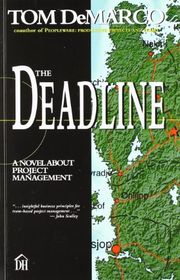
The Deadline: A Novel About Project Management
For readers who learn best through a story rather than a conventional manual. DeMarco turns management assumptions into a series of memorable situations, though the fictional experiments simplify problems that are harder to isolate in real organizations.
What it's about
Tom DeMarco uses a fictional software-development assignment to explore project leadership, staffing, schedules, and productivity. A manager overseeing competing teams encounters situations that test familiar assumptions about how organizations plan work and support the people doing it.

The Fast Forward MBA in Project Management
The Comprehensive, Easy-to-Read Handbook for Beginners and Pros
For readers who want a practical handbook spanning sponsorship, estimates, schedules, and team leadership. Its balance of methods and examples supports regular consultation, though the broad coverage cannot replace specialist knowledge for every project context.
What it's about
Eric Verzuh combines project management methods with practical tools for delivering work on schedule and within budget. The handbook covers sponsorship, objectives, estimates, team leadership, and change management, with examples for beginners and experienced practitioners.
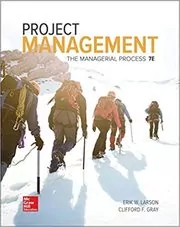
For students who want project tools connected to the organizational and human side of delivery. The managerial framing supports structured coursework, though the textbook format and substantial coverage require more commitment than a short workplace guide.
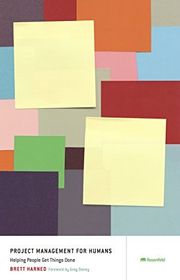
Project Management for Humans: Helping People Get Things Done
For readers who want communication, collaboration, and expectations treated as central project-management skills. Harned’s approachable style supports everyday coordination, though readers seeking detailed scheduling mathematics or certification preparation will need another reference.
What it's about
Brett Harned explains project management through the relationships and communication that keep work moving. Practical guidance covers planning, expectations, collaboration, and difficult conversations, helping readers coordinate people as well as tasks without relying solely on process templates.
Sources
- 1
Best Project Management Books in 2026
clickup.com
- 2
12 Project Management Books for Beginners
coursera.org
- 3
The Best Project Management Books for Beginners and Experts
teamgantt.com
- 4
Project Management Books
goodreads.com
- 5
TBR List for PMs - Removed Links
reddit.com
- 6
Project Management Books
wallstreetmojo.com
- 7
5 Best Project Management Books for Beginners and Accidental Project Managers
ntaskmanager.com
- 8
24 Project Management Books You Need To Read In 2026
thedigitalprojectmanager.com
- 9
PMP Prep Study Resources
iil.com




Edited by
Software engineer whose passion for tracking book recommendations from podcasts inspired the creation of MRB.
Lead investor at 3one4 Capital whose startup expertise and love for books helped shape MRB and its growth.
Comments
Spotted a missing book, a wrong order or a mistake? Tell us and we'll fix this page.
We're a reading guide, not the author or publisher, so we can't send books or pass on messages.