
15 Best Jiu Jitsu Books
The best jiu jitsu books, ranked by how many expert sources recommend each one, with notes on training level, technique, history and the best place to start.
Our take
Jiu jitsu books can help you organize what happens on the mat, understand the reasons behind a technique, or explore the people and communities around the art. Some are photographic manuals for revisiting positions after class. Others concentrate on training habits, underlying principles or the history of Brazilian jiu-jitsu. Memoirs offer a different kind of learning through competition, travel and personal experience.
Jiu Jitsu University provides a broad technical reference, while Mastering Jujitsu connects positions with a larger strategic framework. Drill to Win helps give repeated practice more structure, and Mastering The 21 Immutable Principles Of Brazilian Jiu-Jitsu emphasizes concepts that link techniques together. For reading beyond instruction, Opening Closed-Guard investigates origins and The Brazilian Jiu Jitsu Globetrotter explores training communities around the world. Start with a general reference that complements your classes, then choose a specialized book around the questions that keep arising in practice.
15 books · 9 sources · Last updated
As an Amazon Associate, we earn from qualifying purchases (at no extra cost to you).
How to choose from this list
Skip to the full rankingIf you're new to the mat: Jiu Jitsu University → Zen Jiu Jitsu
If you want a broader strategic framework: Mastering Jujitsu → Mastering The 21 Immutable Principles Of Brazilian Jiu-Jitsu
If you want more structured practice: Drill to Win → The Black Belt Blueprint
If you want history and competing origin stories: The Gracie Way → Opening Closed-Guard
If you want training memoirs and travel: The Cauliflower Chronicles → The Brazilian Jiu Jitsu Globetrotter → Breathe
The 15 books, ranked
Ranked by how many expert sources name each book. Ties go to the book more people recommend.

Jiu Jitsu University
For students who want a structured reference to revisit after class. Ribeiro's belt-based progression and attention to common mistakes make positions easier to organize, though still photographs cannot show the timing and resistance you encounter in live training.
What it's about
Saulo Ribeiro organizes Brazilian jiu-jitsu instruction around the progression from white belt to black belt. Illustrated techniques address common grappling situations, while explanations of frequent mistakes and their corrections help readers understand the principles behind effective practice.

Mastering Jujitsu
For readers who want a strategic map connecting standing, clinch and ground phases. Gracie and Danaher explain why positions and transitions matter, though the mixed-martial-arts context extends beyond the priorities of a sport BJJ class.
What it's about
Renzo Gracie and John Danaher connect jujitsu's history with a strategic framework for standing, clinch, and ground combat. Photographed techniques, drills, and fight plans explain transitions between phases and approaches to attacking from top or bottom positions.
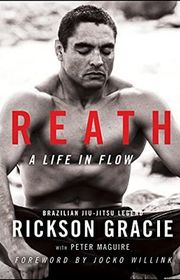
Breathe: A Life in Flow
For readers interested in Rickson Gracie's life and his interpretation of training. The memoir connects family, competition and personal loss, though its first-person account should be distinguished from an independent history or a technical instruction manual.
What it's about
Rickson Gracie recounts growing up in his martial arts family, competing internationally and confronting personal loss. Written with Peter Maguire, the memoir connects experiences in fighting with reflections on training, breathing and the relationship between mind and body.

Mastering The 21 Immutable Principles Of Brazilian Jiu-Jitsu
The Ultimate Handbook for Brazilian Jiu-Jitsu Students
For students who know individual moves but struggle to connect them. Guillobel emphasizes principles that can explain several positions at once, though the conceptual approach is less useful when you need a detailed visual demonstration.
What it's about
Paulo Guillobel explains twenty one underlying principles of Brazilian jiu jitsu, concentrating on why techniques work rather than cataloguing moves alone. His conceptual handbook links foundational ideas with students' understanding of positions, practice, and technical development.
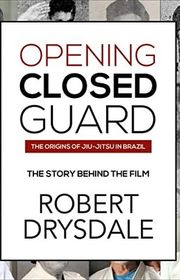
Opening Closed-Guard
For readers who want to question familiar origin stories about Brazilian jiu-jitsu. Drysdale combines interviews with historical investigation and documentary production, though the mixture of research and personal commentary is less tidy than a conventional history.
What it's about
Drysdale investigates the origins of jiu-jitsu in Brazil while recounting the making of his documentary. Interviews, historical material and personal analysis examine the development of the art, its competing narratives and the author's changing understanding of its past.

For students who want to think about development beyond collecting techniques. Gregoriades combines conceptual, physical and mental considerations, though the broad approach offers less step-by-step positional instruction than a dedicated technical manual.
What it's about
Nicolas Gregoriades presents a broad approach to Brazilian jiu jitsu development that combines technical concepts with physical and mental preparation. The guide treats training as a sustained practice, examining how practitioners build understanding alongside their mat experience.

The Brazilian Jiu Jitsu Globetrotter
The True Story About a Frantic, 140 Day Long, Around-The-World Trip to Train Brazilian Jiu Jitsu
For practitioners who enjoy travel stories and the social connections built through training. Graugart's encounters show the variety of grappling communities, though the memoir provides inspiration and perspective rather than a structured technical curriculum.
What it's about
After a training partner's death, Christian Graugart travels around the world for 140 days to practise Brazilian jiu jitsu. His memoir follows encounters with grappling communities and fellow travelers while exploring what training means in his life.
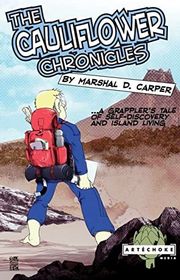
The Cauliflower Chronicles
For readers who want an ordinary student's perspective on training away from home. Carper mixes grappling setbacks with life in Hawaii, though the travel memoir offers a personal account rather than systematic instruction or a comprehensive portrait of the islands.
What it's about
Carper moves to Hilo, Hawaii, to train at the BJ Penn MMA Academy after a breakup. His memoir follows experiences on the mat, injuries and encounters around the island, exploring both the appeal and difficulties of starting over through martial arts.

The Gracie Way
For readers interested in the Gracie family's role in spreading Brazilian jiu-jitsu. Peligro combines people, images and competitive history, though the family-centered perspective should be read alongside accounts that examine other contributors and disputed histories.
What it's about
Kid Peligro traces the Gracie family's role in Brazilian jiu jitsu through an illustrated history. Family members' lives, competitive experiences, and teaching careers show how their martial art developed and spread beyond its Brazilian origins.

Advanced Brazilian Jiujitsu Techniques
For experienced students interested in Marcelo Garcia's connected attacking style. The photographic sequences make his preferred positions and transitions available for study, though the advanced focus assumes you can already recognize and practice the underlying movements.
What it's about
Marcelo Garcia presents his grappling approach through detailed photographic sequences covering arm drags, back control, takedowns, guard passes, and submissions. Written with Marshal Carper and Glen Cordoza, the manual addresses both gi and no gi training.

BJJ Techniques to Defeat Bigger and Stronger Opponents
For smaller grapplers looking for ideas tailored to physical disadvantages. Faggella concentrates on escapes, sweeps and strategic choices against stronger partners, though the focused selection works best after you understand the broader positional fundamentals.
What it's about
Dan Faggella focuses on the challenges smaller Brazilian jiu jitsu practitioners face against heavier, stronger opponents. Techniques and strategic concepts address escapes and sweeps, while discussions of mindset explain his approach to overcoming physical disadvantages during grappling.

For practitioners who want more purpose in repeated movement and drilling. Galvao and Howell supply a progressive structure that can organize practice sessions, though the year-long format needs adaptation to your coach's curriculum and available training time.
What it's about
Andre Galvao and Kevin Howell arrange a year of Brazilian jiu jitsu development around progressive drills. Movement exercises, practice routines, and competition preparation connect repeated training with the physical coordination and technical habits needed on the mat.

For readers interested in the illustrated self-defense approach associated with Helio Gracie. The book offers a family-centered technical reference, though sport competitors will need other material for the rules and tactical demands of their events.
What it's about
Helio Gracie presents the Brazilian jiu jitsu method associated with his family through an illustrated instructional text. Explanations of its techniques and self defense approach accompany material on the system's development and his experience teaching the art.

For students who want to connect submission attempts into finishing sequences. The Gracie approach gives more attention to combinations than a general overview, though the techniques need controlled practice and an instructor's feedback to become reliable.
What it's about
Helio and Royler Gracie, with Kid Peligro, explain finishing techniques through detailed submission sequences. The book connects individual moves into combinations and discusses physical and mental preparation, concentrating on how practitioners approach the closing stages of matches.

For white belts who want a conceptual companion to regular classes. Staark focuses on how to understand early progress rather than memorizing more moves, though readers seeking detailed technique sequences will need a different reference.
What it's about
Oliver Staark addresses the transition from white belt to blue belt through fundamental Brazilian jiu jitsu concepts. Rather than emphasizing a catalogue of techniques, he discusses how beginners can understand their practice and approach progress on the mat.
Sources
- 1
Best BJJ Books (2026): 8 Worth Reading
bjjmore.com
- 2
The Best Jiu-Jitsu Books - Complete Guide
bjj-world.com
- 3
Top 35+ Books About Jiu Jitsu (Must Read BJJ Books)
heavybjj.com
- 4
Jiu Jitsu Books
goodreads.com
- 5
BJJ book recs
reddit.com
- 6
Favorite BJJ books?
reddit.com
- 7
100 Best Jiu-Jitsu Books of All Time
shortform.com
- 8
6 Best Brazilian Jiu-Jitsu Books of All Time
sportsfoundation.org
- 9
BJJ Books: A guide for white belts
bjjmotivation.com











Edited by
Software engineer whose passion for tracking book recommendations from podcasts inspired the creation of MRB.
Lead investor at 3one4 Capital whose startup expertise and love for books helped shape MRB and its growth.
Comments
Spotted a missing book, a wrong order or a mistake? Tell us and we'll fix this page.
We're a reading guide, not the author or publisher, so we can't send books or pass on messages.