
14 Best Japanese Cooking Books
The best Japanese cooking books, ranked by how many expert sources recommend each one, with notes to help home cooks choose everyday meals and specialist guides.
Our take
Japanese cooking books can take you from a bowl of rice and a few well-chosen side dishes to an involved ramen project. The useful starting point is often the pantry: learning how dashi, soy sauce, miso, and other staples work makes unfamiliar recipes easier to approach. These books serve both cooks building those foundations and readers ready to concentrate on one technique or style of meal.
Japanese Home Cooking: Simple Meals, Authentic Flavors and Washoku: Recipes from the Japanese Home Kitchen explain the structure behind everyday meals. Japan: The Cookbook offers a broader collection to explore, while the sushi and noodle books narrow the focus. The Just Bento Cookbook: Everyday Lunches To Go helps with a specific routine. Restaurant-driven books bring another perspective, though their preparations may need more time and shopping. Start with a home-cooking guide, then add a specialist once you know which dishes you most want to make.
14 books · 7 sources · Last updated
As an Amazon Associate, we earn from qualifying purchases (at no extra cost to you).
How to choose from this list
Skip to the full rankingIf you’re building everyday cooking skills: Harumi's Japanese Cooking → Japanese Home Cooking
If you want to study techniques and meal balance: Japanese Cooking → Washoku
If you want comfort food: Japanese Soul Cooking
If you want a ramen project: Ramen Obsession → Ivan Ramen
If you want better packed lunches: The Just Bento Cookbook
If you want to focus on sushi: Sushi
The 14 books, ranked
Ranked by how many expert sources name each book. Ties go to the book more people recommend.

For cooks who want a wide reference to regional Japanese dishes. Its breadth rewards exploring beyond familiar restaurant favorites, but individual techniques receive less attention than in the specialist books here.
What it's about
Nancy Singleton Hachisu gathers regional Japanese recipes for home cooks, organized by course. Soups, noodles, rice dishes, pickles, vegetables, and sweets appear with notes explaining the traditions and ingredients behind them.

Japanese Soul Cooking
Ramen, Tonkatsu, Tempura, and More from the Streets and Kitchens of Tokyo and Beyond
For cooks who want comforting dishes such as gyoza, tonkatsu, and ramen. Its range reaches beyond the sushi-centered image of Japanese food, but some favorites require several preparations or a substantial frying session.
What it's about
Tadashi Ono and Harris Salat explore Japanese comfort food through recipes for ramen, tonkatsu, tempura, gyoza, and other favorites. The book explains ingredients and techniques while tracing how these dishes became part of everyday Japanese eating.

For cooks who want to understand the balance and presentation behind a Japanese meal. Its pantry guidance connects recipes to a wider cooking philosophy, but that depth asks for more study than a quick dinner collection.
What it's about
Elizabeth Andoh explains washoku through the relationship between flavor, cooking technique, presentation, and nutrition. A guide to the Japanese pantry supports recipes for soups, rice, noodles, seafood, meat, and desserts, with cultural context and practical notes.
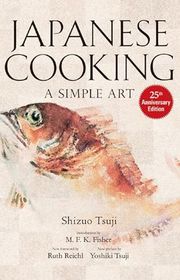
Japanese Cooking: A Simple Art
For cooks who want to study the principles and techniques of Japanese cuisine. Its detailed explanations provide a foundation for other books here, but the textbook-like presentation suits patient learning more than visual browsing.
What it's about
Shizuo Tsuji explains Japanese cooking through ingredients, tools, techniques, and recipes. The book develops an understanding of preparation and presentation, giving cooks a foundation for making traditional dishes rather than simply following isolated instructions.

Japanese Farm Food
For readers who enjoy cooking tied to the seasons and a particular household. The farm setting gives ingredients and recipes a personal context, but reproducing that approach can require adapting to what grows near you.
What it's about
Nancy Singleton Hachisu combines recipes from her family's Japanese farm with stories of rural life. Seasonal vegetables, rice, noodles, soups, and pickles illustrate a kitchen shaped by homegrown crops, local ingredients, and community.
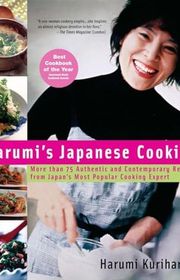
Harumi's Japanese Cooking
For home cooks who want approachable meals and clear presentation ideas. Its manageable selection is easier to navigate than a large regional reference, but it offers less depth for readers pursuing a particular specialty.
What it's about
Harumi Kurihara presents Japanese recipes for home kitchens, with photographs and guidance on preparation and serving. The collection combines familiar dishes with contemporary ideas, helping readers put together everyday meals without beginning with restaurant-level techniques.

For cooks who want to understand the pantry and build meals from basic techniques. Its attention to foundations offers more guidance than a recipe-only reference, but assembling ingredients and practicing components takes time.
What it's about
Sonoko Sakai introduces Japanese home cooking through pantry ingredients, basic techniques, and everyday recipes. Lessons on dashi, pickles, rice, and noodles lead into meals organized around vegetables, grains, meat, fish, sweets, and beverages.

For cooks who want balanced packed lunches to become a repeatable habit. Its menus and planning advice are more directly useful for lunch boxes than a general collection, but the compact format limits elaborate meals.
What it's about
Makiko Itoh offers Japanese and Western-inspired bento menus for everyday packed lunches. Recipes accompany practical guidance on preparing balanced meals, controlling costs, and fitting lunch-box cooking into a regular routine.

For ramen enthusiasts who want one chef’s approach alongside his personal story. It explains the components behind a signature bowl, but the memoir and involved preparations make it less convenient for quick weeknight cooking.
What it's about
Ivan Orkin recounts his journey from New York to running a ramen restaurant in Tokyo. Memoir and recipes explain his approach to noodles, broths, and the components of a bowl of ramen, including his signature shio ramen.

For adventurous cooks interested in the ideas behind a restaurant’s signature dishes. Its Japanese influences sit within a broader fusion approach, but demanding recipes and specialized ingredients make it less useful as an everyday Japanese primer.
What it's about
David Chang and Peter Meehan combine recipes from the Momofuku restaurants with accounts of Chang's unexpected rise as a chef. Ramen, pork buns, and other signature dishes illustrate the ideas, ingredients, and mishaps behind the restaurants.

For home cooks who want to understand how ramen’s components fit together. Its range of bowls gives more variety than a single restaurant’s approach, but making broth, oils, toppings, and noodles can become a lengthy project.
What it's about
Naomi Imatome-Yun and Robin Donovan explain how to build ramen bowls from broth, seasoning sauces, aromatic oils, noodles, and toppings. Recipes range in difficulty, with background on Japanese ramen traditions and regional styles to guide home cooks.

For home cooks who want visual guidance on sushi preparation. Its photographed techniques give more focused help than a general collection, but learning consistent rice preparation and knife work still takes practice.
What it's about
Kimiko Barber and Hiroki Takemura explain how to prepare sushi and sashimi at home. Photographed techniques cover knife skills, fish selection, rice, and different sushi forms, alongside guidance on equipment, serving, and eating etiquette.

Takashi's Noodles
For noodle lovers who want variety beyond ramen. Its use of different noodle styles and practical shortcuts broadens everyday options, but the focus is too specialized to serve as your only Japanese cookbook.
What it's about
Takashi Yagihashi presents hot and cold Japanese noodle dishes influenced by his work in Japan, France, and the American Midwest. Recipes use fresh and dried noodles, with practical shortcuts and explanations of regional noodle styles.

For cooks looking for an approachable introduction to everyday Japanese meals. Its guidance on foundations and familiar dishes offers a gentler start than a large reference, but the smaller selection leaves less room for regional depth.
What it's about
Atsuko Ikeda introduces Japanese home cooking through recipes for main dishes, sharing plates, and desserts. Guidance on dashi, rice, seasoning, meal balance, and presentation accompanies familiar foods such as teriyaki, gyoza, and tempura, along with family favorites and modern variations.
Sources
- 1
12 Chef-Picked Japanese Cookbooks
chefiso.com
- 2
What are the seminal Japanese cookbooks?
reddit.com
- 3
100 Best Japanese Cooking Books of All Time
shortform.com
- 4
Looking for the essential Japanese cookbooks!
reddit.com
- 5
Japanese Cuisine and Cookbooks
casaschools.com
- 6
10 Best Japanese Cookbooks to Collect
kyuhoshi.com
- 7
Best Japanese Cookbooks in English
goodreads.com





Edited by
Software engineer whose passion for tracking book recommendations from podcasts inspired the creation of MRB.
Lead investor at 3one4 Capital whose startup expertise and love for books helped shape MRB and its growth.
Comments
Did we miss something? Have feedback?
Help us improve this page by sharing your thoughts