
11 Best 3D Printing Books
The best 3D printing books, ranked by how many expert sources recommend each one, with notes to help you choose beginner guides, design, and troubleshooting.
Our take
3D printing involves more than sending a model to a machine. You may need to choose a process, create or adapt a design, prepare the file, adjust settings, and work out why a print failed. Books can help with each stage, but a project book and a technical reference serve different needs.
Getting Started with 3D Printing gives a broad introduction to the workflow. 3D Printing Projects and A Beginner’s Guide to 3D Printing teach through things you can make, while Functional Design for 3D Printing focuses on useful parts and assemblies. If your printer is already running, 3D Printing Failures is a reference for diagnosing problems. The 3D Printing Handbook looks further across technologies and production choices. Software examples and equipment recommendations can age faster than the underlying design principles.
Start with a general guide if you are new, then choose a project, design, or troubleshooting book to match the task you are trying to complete.
11 books · 7 sources · Last updated
As an Amazon Associate, we earn from qualifying purchases (at no extra cost to you).
How to choose from this list
Skip to the full rankingIf you're starting from zero: Getting Started with 3D Printing
If you want illustrated projects: 3D Printing Projects
If your prints keep failing: 3D Printing Failures
If you want functional parts: Functional Design for 3D Printing
If you need to compare technologies: The 3D Printing Handbook
If you want a broader modeling workflow: Mastering 3D Printing
The 11 books, ranked
Ranked by how many expert sources name each book. Ties go to the book more people recommend.

Getting Started with 3D Printing
A Hands-on Guide to the Hardware, Software, and Services Behind the New Manufacturing Revolution
For beginners who want to understand the full workflow before choosing a specialty. Its combination of background and tutorials gives a useful overview, though software screens and equipment examples depend on which edition you use.
What it's about
Liza Wallach Kloski and Nick Kloski introduce the hardware, software, and services involved in 3D printing. Combining background information with practical tutorials, they explain consumer choices and ways to apply the technology to personal projects and professional work.

For printer owners who need to diagnose recurring failed prints. Its problem-based organization makes it more useful at the workbench than a broad introduction, though the relevant settings and fixes still depend on your machine and material.
What it's about
Sean Aranda provides a troubleshooting guide for desktop 3D printing. Organized around common failures, it addresses problems such as poor bed adhesion, clogged nozzles, layer shifts, and warping, alongside maintenance, material settings, and printer calibration.

For designers comparing printing processes and preparing parts for production. Its technology comparisons extend beyond hobby-level filament printing, though it provides less step-by-step help with operating or repairing a particular desktop machine.
What it's about
Ben Redwood and his colleagues explain major 3D printing technologies and their practical uses. The handbook compares benefits and limitations, offers guidance on selecting a process and designing printable parts, and illustrates applications through industry case studies.

The Zombie Apocalypse Guide to 3D Printing
Designing and Printing Practical Objects
For makers who want useful objects rather than decorative prints. Its playful premise keeps practical design approachable, though readers seeking a formal engineering treatment may find the presentation too informal and some equipment references dated.
What it's about
Clifford Smyth uses a playful apocalypse premise to introduce practical 3D design and printing. He covers durable everyday objects, replacement parts, printer adjustment, troubleshooting, and ways to improve strength and printability while making better use of available resources.
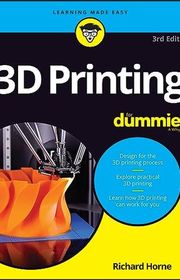
3D Printing For Dummies
For beginners who like a broad reference they can consult by topic. Its coverage of equipment, materials, and printing choices offers a useful orientation, though it is less focused than a dedicated design or troubleshooting manual.
What it's about
Richard Horne introduces the processes, equipment, materials, and software involved in producing printed objects. The guide explains how digital models become physical parts and discusses choosing tools, preparing designs, and improving results through calibration and troubleshooting.

How To Make Money With 3D Printing
Passive Profits, Hacking The 3D Printing Ecosystem And Becoming A World-Class 3D Designer
For readers exploring the business side of printing and selling designs. Its range of possible revenue models can prompt research, though dated platforms and optimistic framing require independent checking rather than expectations of passive income.
What it's about
Jeffrey Ito explores ways to turn 3D printing and design skills into a business. Alongside introductions to modeling tools and digital marketplaces, he discusses potential sources of revenue, finding ideas, marketing products, and managing the practical demands of entrepreneurship.

3D Printing Projects
For families, classrooms, or beginners who want illustrated projects to work through. Its visual presentation provides an approachable introduction to making objects, though the included software instructions may differ from current interfaces.
What it's about
This illustrated introduction guides beginners through designing and producing 3D-printed objects. Projects range from simple organizers to more elaborate creations, with instructions on digital modeling, preparing files, printing, and finishing, plus guidance on materials and common printing problems.

For makers designing parts that must fit, move, or withstand use. Its attention to geometry and assembly gives it a more functional focus than general introductions, though it assumes you will test and revise designs on your own equipment.
What it's about
Clifford Smyth explains how to design useful, durable objects for desktop 3D printers. The guide addresses strength, material use, print reliability, and assembly, including practical elements such as hinges, latches, interlocking parts, and structures that support successful printing.
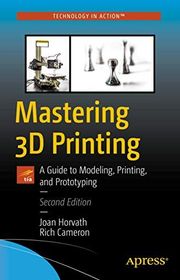
Mastering 3D Printing
For makers ready to connect modeling, materials, and prototyping into a fuller workflow. Its wider treatment bridges several practical stages, though examples reflect its publication period and require adaptation to newer software and machines.
What it's about
Joan Horvath and Rich Cameron explain how to create or find models, choose materials, prepare prints, and improve results. The book connects desktop printing with prototyping and other fabrication methods, using projects to explore practical applications.

For beginners who learn best by building simple toy models. Its ordered projects make early design tasks concrete, though the software-specific instructions and narrow project theme may appeal less to readers with other practical goals.
What it's about
Mike Rigsby introduces 3D design through step-by-step toy projects, beginning with simple shapes and progressing to more elaborate models. Illustrated software instructions guide readers through creating objects such as trains, airplanes, paddleboats, and a rubber band-powered car.

For adults introducing young children to the imaginative possibilities of making things. Its story format provides a gentle conversation starter, though the printer’s magical abilities make it fiction rather than a practical explanation of the technology.
What it's about
For his seventh birthday, Peter receives a remarkable 3D printer from his father. Pablo can bring printed creations to life, opening up possibilities for toys and new companions while prompting Peter to think about imagination and the uses of technology.
Sources
- 1
The 8 Best Books to Learn About 3D Printing
3dinsider.com
- 2
Best 3D Printing Books To Read In 2024 [For Beginners & Advanced Users]
3dtechvalley.com
- 3
14 Best 3D Printing Books in 2024
3dsourced.com
- 4
Books on 3D Printing - 3D Printing Resources and Tools
guides.library.utoronto.ca
- 5
3d Printing Books
goodreads.com
- 6
The Best 3D Printing Books
all3dp.com
- 7
The 3D Printing Books to Read This Year
3dnatives.com





Edited by
Software engineer whose passion for tracking book recommendations from podcasts inspired the creation of MRB.
Lead investor at 3one4 Capital whose startup expertise and love for books helped shape MRB and its growth.
Comments
Did we miss something? Have feedback?
Help us improve this page by sharing your thoughts