
23 Best Baseball Books
The best baseball books, ranked by how many expert sources recommend each one, with notes for readers choosing memoirs, biographies, history or analytics.
Our take
Baseball books can explain far more than what happened between the first pitch and the final out. They explore how teams make decisions, how players live with success and failure, and why a club can become part of a family’s identity. These selections suit readers interested in the game’s history and culture as well as fans who want to understand the business and numbers behind it.
For a candid clubhouse voice, start with Ball Four. The Glory of Their Times preserves an earlier generation’s memories, while The Boys of Summer asks what follows a playing career. Moneyball is an accessible route into analytical thinking, and The Lords of the Realm follows the struggle over money and power. For literary observation, try Roger Angell’s The Summer Game; for a fan’s childhood, choose Wait Till Next Year. Baseball’s Great Experiment examines integration, and The Natural offers fiction about talent and temptation. Begin with the perspective you want, since a memoir, reference book and historical investigation reward different kinds of reading.
23 books · 9 sources · Last updated
As an Amazon Associate, we earn from qualifying purchases (at no extra cost to you).
How to choose from this list
Skip to the full rankingIf you want a candid player memoir: Ball Four
If you want early players’ voices: The Glory of Their Times
If you want analytics and business: Moneyball → The Numbers Game → The Lords of the Realm
If you want race and integration history: Only the Ball Was White → Baseball's Great Experiment
If you want literary writing about fandom: The Summer Game → Wait Till Next Year
If you want baseball fiction: The Natural
The 23 books, ranked
Ranked by how many expert sources name each book. Ties go to the book more people recommend.
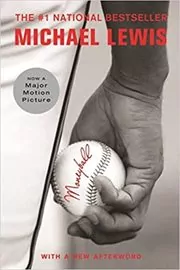
For readers interested in how organizations challenge conventional judgment under financial pressure. Its clear narrative makes statistical thinking accessible, though it follows a particular moment and argument rather than explaining every cause of baseball success.
What it's about
Lewis shows how Oakland A’s general manager Billy Beane used statistics and undervalued players to build a winning baseball team on a shoestring budget, challenging decades of scouting wisdom and changing how fans, front offices, and players think about the game.
Also recommended by
1 person Ev Williams recommended this book
Ev Williams
On the "books read" section of Ev Williams' GoodReads profile.
Ev Williams's recommendation of this book

The Boys of Summer
For readers drawn to what happens after athletic glory fades. Its combination of reporting and personal memory gives the Dodgers emotional depth, though the Brooklyn-centered nostalgia may matter less if you want a broad history.
What it's about
Roger Kahn revisits the Brooklyn Dodgers of the 1950s and the players' lives after their baseball careers. Combining memories of growing up and reporting with later encounters, he explores ambition, aging, friendship, and change.

The Glory of Their Times
The Story of the Early Days of Baseball Told by the Men Who Played It
For readers who want early baseball remembered in the players’ own voices. The oral-history format preserves personality and everyday detail, though recollections are subjective and do not provide a complete critical history of the period.
What it's about
Lawrence Ritter gathers the memories of players from baseball's early twentieth-century years. Their firsthand stories recall teammates, rivalries, ballparks, and life in the game, creating an oral history that preserves the sport through the voices of its participants.

For readers who want to understand where baseball statistics came from and why people argued over them. Its historical approach supplies context for analytics, though it is less useful as a practical manual for evaluating today’s players.
What it's about
Alan Schwarz traces baseball's fascination with statistics through the people who developed and debated its numbers. From early box scores to modern analytical businesses, the history explores how record keeping shaped fans' understanding and teams' decisions about the game.

For readers who want the uncertainty and absurdity of professional baseball from inside the clubhouse. Its candid diary challenges the polished public image, though the period language and intimate behavior can be uncomfortable.
What it's about
Jim Bouton’s diary follows his 1969 baseball season with the Seattle Pilots and Houston Astros, alongside memories of the Yankees. His candid account examines clubhouse behavior, professional insecurity, and the daily realities behind the sport’s public image.
Also recommended by
3 people Ben Shapiro recommended this book
Ben Shapiro
"The best baseball book." - Ben Shapiro
Ben Shapiro's recommendation of this book  Aaron Gleeman recommended this book
Aaron Gleeman
"The best baseball book ever written." - Aaron Gleeman
Aaron Gleeman's recommendation of this book  Peter King recommended this book
Peter King
"The greatest sports book of all time." - Peter King
Peter King's recommendation of this book

For readers who enjoy investigating how familiar origin stories become accepted history. Its attention to competing versions of early baseball encourages skepticism, though the detail is more specialized than a general fan’s overview.
What it's about
John Thorn investigates baseball's early history, questioning familiar stories about its invention. Rival versions of the game, overlooked organizers, and the influence of gambling and professionalism reveal how the sport developed and how its enduring origin myths took shape.

For readers who want integration understood as a sustained social struggle rather than one heroic moment. Its historical context deepens Robinson’s significance, though the institutional detail makes it denser than a conventional player biography.
What it's about
Jules Tygiel examines Jackie Robinson's role in integrating baseball and the broader struggle surrounding that change. Drawing on interviews and historical records, he follows other pioneering players and explores the consequences of desegregation for the sport and American society.

For readers who want to look beyond the heroic image of a celebrated slugger. Its attention to personal damage adds depth to the baseball achievements, though the alcoholism and family difficulties make the portrait emotionally heavy.
What it's about
Jane Leavy examines Mickey Mantle's life beyond the public image of the Yankees' celebrated slugger. Interviews and personal recollections connect his baseball achievements with alcoholism, family difficulties, and the pressures of becoming a national hero for a generation.

For readers interested in the money, labor and power behind the games. Its reporting makes ownership disputes and player bargaining compelling, though the institutional detail is demanding if your main interest is action on the field.
What it's about
John Helyar investigates baseball's business history through the conflicts between owners and players. Interviews and archival research trace labor relations, money, and power from the sport's early professional years through the strike that disrupted the 1994 season.

The Natural
For readers who want baseball turned into a literary story about talent, desire and self-deception. Its mythic atmosphere gives the sport symbolic weight, though it is darker and less reassuring than a conventional tale of sporting triumph.
What it's about
A shooting interrupts young baseball prodigy Roy Hobbs's rise, but years later he returns with the New York Knights. His extraordinary talent and handmade bat offer another chance at greatness amid temptation, ambition, and corruption.

The Summer Game
For readers who want prose that captures the feeling of watching and following baseball. Its patient attention to small moments rewards lingering, though it offers essays rather than a single plot or comprehensive history.
What it's about
Roger Angell collects essays on major-league baseball during ten seasons from the 1960s into the early 1970s. Observations of players, teams, and fans accompany reflections on expansion, television, and the changing place of the game in American life.

Wait Till Next Year
For readers who want fandom woven into a memoir of family and neighborhood life. Its childhood perspective makes baseball’s emotional role clear, though readers seeking detailed strategy or a team history will find those secondary.
What it's about
In this memoir, Goodwin returns to 1950s Rockville Centre, where family life, neighborhood rituals, and the Brooklyn Dodgers shaped her childhood. Baseball joy sits beside harder losses, giving the book both warmth and ache.

For readers seeking a broad introduction that combines narrative with photographs and cultural context. Its illustrated scope makes browsing rewarding, though it cannot provide the depth of a specialist history on every period or controversy.
What it's about
Geoffrey C. Ward and Ken Burns trace baseball's history through stories, photographs, and essays about its players and institutions. The sport's development is connected to race, business, labor, and American culture, with this expanded edition extending the account into more recent decades.

For readers who connect collecting with childhood, family and identity. Its baseball cards provide an inventive structure for personal reflection, though the memoir’s sadness and inward focus offer less game history than the title might suggest.
What it's about
Josh Wilker uses the baseball cards of his childhood to tell a memoir of family upheaval, loneliness, and growing up in Vermont. The players pictured on the cards become companions and reference points as he explores identity, belonging, and adulthood.

For readers interested in the private costs of becoming a national sports icon. Its examination of celebrity complicates the familiar heroic image, though the intimate and often unsettling portrait is unlikely to satisfy anyone seeking uncomplicated nostalgia.
What it's about
Richard Ben Cramer explores Joe DiMaggio’s baseball career, marriage to Marilyn Monroe, and status as an American icon. His biography examines the private complexity and loneliness behind the public hero, alongside the machinery that creates national celebrity.
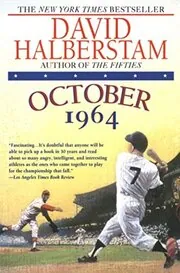
October 1964
For readers who like a championship series placed within wider cultural change. Its contrasting teams make the historical transition tangible, though the social narrative sometimes takes priority over close analysis of the games themselves.
What it's about
The 1964 World Series becomes a story of change as the aging Yankees meet the faster, more integrated St. Louis Cardinals. Halberstam captures baseball at the edge of a new era.
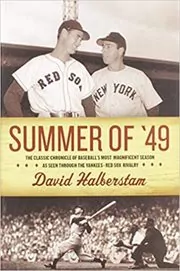
Summer of '49
For readers who enjoy a pennant race told through personalities and postwar context. Its rivalry gives the history a clear narrative drive, though the strong focus on Boston and New York limits the view of the wider league.
What it's about
Halberstam revisits the 1949 American League pennant race, when Ted Williams’s Red Sox and Joe DiMaggio’s Yankees battled to the final day. It’s baseball as rivalry, memory, and postwar America in motion.

For readers who want a humorous, combative account of a championship clubhouse. Its player’s viewpoint supplies immediacy and personality, though the gossip and partisan perspective reveal one participant’s experience rather than a balanced team history.
What it's about
Sparky Lyle and Peter Golenbock recount the New York Yankees' turbulent 1978 season from inside the clubhouse. The pitcher's observations follow rivalries, personalities, management disputes, and the everyday tensions behind a team pursuing another World Series championship.

The New Bill James Historical Baseball Abstract
For readers who enjoy historical comparisons, player rankings and arguments built around statistics. Its combination of commentary and reference material rewards browsing, though the evaluations reflect their era and are not a current statistical database.
What it's about
Bill James surveys American baseball decade by decade, then ranks players at each position using statistical analysis. His Win Shares system measures individual contributions, with reference sections comparing players, seasons and teams across the sport’s history.

For readers who want baseball history conveyed through encounters, memory and a generous central personality. Buck O’Neil’s perspective gives the journey warmth, though the affectionate portrait is less systematic than a history of the Negro Leagues.
What it's about
Joe Posnanski travels across America with former Negro Leagues player Buck O'Neil, exploring the memories and encounters that sustained his love of baseball. Their journey connects the sport's racial history with O'Neil's outlook on people, community, and belonging.

For readers curious about the sport through an unconventional owner’s eyes. Its mixture of showmanship and business stories provides a lively alternative to player memoirs, though the autobiography naturally favors Veeck’s own interpretation of events.
What it's about
Bill Veeck recounts his life in baseball with sportswriter Ed Linn, combining business experience with stories of players, fellow owners, and promotional experiments. His autobiography explores team building and showmanship from an outspoken owner closely involved in the game.

For readers who want attentive, literary observation of players and fans across several seasons. Its essays find interest beyond the scoreboard, though the unhurried pace and historical moment differ from a focused team narrative.
What it's about
Roger Angell chronicles five baseball seasons from 1972 through 1976, observing stars, struggling players, fans, and the people behind the game. His essays combine close attention to play with portraits of baseball's personalities and the pleasures and anxieties of following a season.

Only the Ball Was White
A History of Legendary Black Players and All-Black Professional Teams
For readers who want the achievements and working lives of Black baseball players preserved beyond major-league history. Its pioneering focus remains valuable, though its older scholarship benefits from being read alongside later research.
What it's about
Robert Peterson reconstructs the history of Black professional baseball during the years of exclusion from the major leagues. Accounts of players and all-Black teams preserve achievements, working conditions, and the segregated sporting world that shaped their careers.
Sources
- 1
Best Baseball Books
goodreads.com
- 2
SABR 50 at 50: Baseball Books
sabr.org
- 3
50 Essential Baseball Books Every Coach, Player, and Superfan Should Read
dugoutedge.com
- 4
What are the BEST baseball books?
reddit.com
- 5
Here's a list of our all-time favorite baseball books
mlb.com
- 6
The Best Baseball Books for all Baseball Fanatics
throughthefencebaseball.com
- 7
The best books on Baseball
fivebooks.com
- 8
Best baseball books
reddit.com
- 9
100 Best Baseball Books of All Time
shortform.com







Edited by
Software engineer whose passion for tracking book recommendations from podcasts inspired the creation of MRB.
Lead investor at 3one4 Capital whose startup expertise and love for books helped shape MRB and its growth.
Comments
Spotted a missing book, a wrong order or a mistake? Tell us and we'll fix this page.
We're a reading guide, not the author or publisher, so we can't send books or pass on messages.