
24 Best Botany Books
The best botany books, ranked by expert recommendation counts, with notes to help beginners, gardeners, field observers, and students choose where to start.
Our take
Botany can begin with a flower beside a path or with a question about how a leaf works. The subject connects plant structures and physiology with evolution, classification, and ecological relationships. Some books help you identify what is growing nearby; others explain biological processes or explore the ways plants shape human lives. Those are different goals, and a beautifully illustrated survey won't do the same job as a field key or a textbook.
For an accessible scientific start, try Botany for Gardeners or What a Plant Knows. Botany in a Day introduces family patterns, and Plant Identification Terminology helps decode descriptions. Students seeking a fuller course can turn to Raven Biology of Plants, then the more specialized Plant Systematics. Essays such as Gathering Moss and Braiding Sweetgrass invite closer attention through personal and cultural perspectives. Begin with the question you most want answered, and pair identification books with a guide suited to your region.
24 books · 11 sources · Last updated
As an Amazon Associate, we earn from qualifying purchases (at no extra cost to you).
How to choose from this list
Skip to the full rankingIf you're new to plant science: Botany for Gardeners → What a Plant Knows
If you want to identify plants: Botany in a Day → Plant Identification Terminology
If you're studying botany formally: Raven Biology of Plants → Plant Systematics
If you learn through pictures and practice: Flora → The Botany Coloring Book
If you want science for gardening: How Plants Work → Bringing Nature Home
If you prefer reflective essays: Gathering Moss → Braiding Sweetgrass
The 24 books, ranked
Ranked by how many expert sources name each book. Ties go to the book more people recommend.

For beginners who want to recognize families before memorizing individual species. The patterns approach makes identification less overwhelming, though it needs practice with real specimens and a regional guide for confident species-level work.
What it's about
Thomas Elpel teaches plant identification by recognizing patterns shared within botanical families. Illustrations and explanations emphasize recurring structural features, giving readers a framework for learning related plants together rather than memorizing each species as a separate, unfamiliar subject.

For students and field observers who keep encountering unfamiliar botanical vocabulary. Illustrated definitions make descriptions and keys easier to use, though this is a reference to consult alongside other books rather than an introduction to read continuously.
What it's about
James Harris and Melinda Woolf Harris explain the specialized vocabulary used in plant descriptions and identification keys. Definitions and illustrations clarify botanical forms and structures, giving students and field observers a reference for interpreting the terminology of plant identification.

For readers who enjoy human history as a route into plant relationships. Four familiar crops make the argument easy to follow, though the deliberately provocative perspective is a narrative lens rather than a comprehensive account of evolution.
What it's about
Michael Pollan examines the reciprocal relationship between humans and four cultivated plants: apples, tulips, marijuana, and potatoes. Their histories reveal how desires for sweetness, beauty, intoxication, and control have shaped both plants and people.
Also recommended by
2 people Tim Draper recommended this book
Tim Draper
"My wife recommended [this book]." - Tim Draper
Tim Draper's recommendation of this book  Samin Nosrat recommended this book
Samin Nosrat
Samin Nosrat mentioned this book on "The Tim Ferriss Show" podcast.
Samin Nosrat's recommendation of this book

Botany for Gardeners
For gardeners who want to understand the processes behind familiar tasks. Capon's explanations provide a gentler scientific foundation than a college textbook, though the garden emphasis leaves less space for plant diversity and formal classification.
What it's about
Brian Capon introduces plant science for gardeners through accessible explanations and illustrations. Plant anatomy, growth, reproduction, and genetics connect the visible life of a garden with the processes inside plants, helping readers understand why they develop and respond as they do.
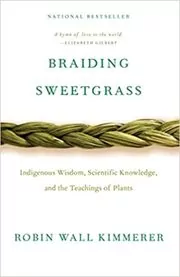
Braiding Sweetgrass
Indigenous Wisdom, Scientific Knowledge and the Teachings of Plants
For readers interested in relationships between plants, people, and responsibility. Kimmerer's combination of botanical knowledge and Potawatomi teachings offers a different perspective from the textbooks, though its essays develop through reflection rather than stepwise scientific instruction.
What it's about
Kimmerer braids personal stories, botany, and Potawatomi teachings into essays about what plants can teach us about reciprocity, gratitude, and care. It asks readers to see the living world as kin, not backdrop.
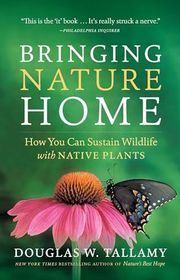
Bringing Nature Home
For gardeners interested in the ecological effects of their planting choices. The link between native plants, insects, and birds gives practical decisions a larger purpose, though its North American emphasis requires adapting recommendations to local habitats.
What it's about
Douglas Tallamy explains connections between native plants, the insects they support, and other wildlife that depends on those insects. He argues that gardens and residential landscapes can contribute to biodiversity when planting decisions reflect local ecological relationships.

For gardeners who want scientific explanations for puzzling plant behavior. Familiar problems make physiology easier to connect with practice, though its selected questions provide less coverage of classification and diversity than a general botany textbook.
What it's about
Linda Chalker-Scott introduces plant physiology through questions gardeners encounter, from wilting containers to plants that fail to flower. She explains the science behind plants' responses and shows how understanding their functions can inform everyday gardening decisions.
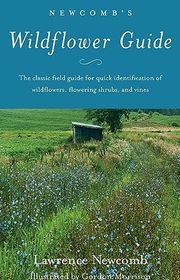
Newcomb's Wildflower Guide
For field observers in northeastern and north-central North America who want to work through identification. Its visible-feature key turns looking into a repeatable process, though the geographic coverage and focus on wildflowers limit its usefulness elsewhere.
What it's about
Lawrence Newcomb organizes wildflowers, flowering shrubs, and vines through a key based on visible plant features. Illustrated entries help readers follow questions about leaves and flowers toward identifications within northeastern and north-central North America, then compare the results.
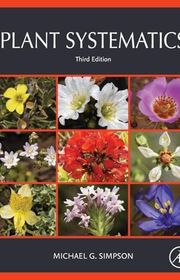
Plant Systematics
For readers ready to study how plants are classified and related. Morphology and evolutionary methods give identification a rigorous framework, though the upper-undergraduate level assumes more biological background than the beginner guides on this list.
What it's about
Michael Simpson introduces the evidence and methods used to understand plant relationships and classification. Chapters examine morphology, evolutionary analysis, nomenclature, and major land-plant groups, combining terminology and research approaches with illustrations useful for advanced study and identification.
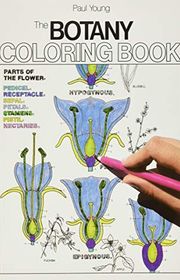
The Botany Coloring Book
For learners who remember structures by actively working with diagrams. Guided coloring links terms with plant parts more directly than passive browsing, though the older workbook format needs supplementing for current classification and broader scientific context.
What it's about
Paul Young and illustrator Jacquelyn Giuffre use coloring plates to teach plant structures, functions, and vocabulary. Explanatory text guides readers through each diagram, turning the finished pages into a personal visual reference for reviewing botanical concepts and plant groups.

The Drunken Botanist
For curious readers who enjoy science connected to food, drink, and history. Its familiar ingredients offer an inviting route into plant diversity, though the cocktail focus makes it a selective tour rather than a general botany introduction.
What it's about
A lively tour of the plants behind beer, wine, and spirits, from agave and barley to herbs, fruits, and fungi. Stewart blends botany, history, and drink recipes into a book that's as curious as it is useful.

For readers who want an engaging reason to look more closely at forests. Its vivid, human-like descriptions make tree relationships memorable, though those metaphors need separating from the precise explanations expected in a biology textbook.
What it's about
Wohlleben opens the forest floor and canopy to show trees as social beings that share nutrients, send warnings, and support their young. It is an eye-opening look at woodland life, rooted in science and years of fieldwork.
Also recommended by
4 people Emma Watson recommended this book
Emma Watson
On the "books read" section of Emma Watson's GoodReads profile.
Emma Watson's recommendation of this book  Patrick O'Shaughnessy recommended this book
Patrick O'Shaughnessy
"If you like the woods at all, pick this up immediately. You will never see the forest (the 'wood wide web') the same way again." - Patrick O'Shaughnessy
Patrick O'Shaughnessy's recommendation of this book  Brit Marling recommended this book
Brit Marling
"@z_al and I came up with the Tree Internet sequence after being inspired by [this book]." - Brit Marling
Brit Marling's recommendation of this book  Morgan Housel recommended this book
Morgan Housel
"A fascinating book about the complexity of something that seems basic." - Morgan Housel
Morgan Housel's recommendation of this book

For families and visual readers who like learning by exploring illustrated collections. The museum format gives plant diversity a clear sense of wonder and order, though it favors selected exhibits over hands-on identification or technical depth.
What it's about
Kathy Willis and illustrator Katie Scott arrange plant life as exhibits in a museum on the page. Detailed botanical images and accessible explanations introduce trees, flowering plants, and other groups, including cross sections that reveal how plants are structured and function.

For students who want a broad foundation rather than a collection of plant facts. Mauseth connects biological processes with diversity and evolution, though the textbook detail and terminology require sustained study rather than occasional browsing.
What it's about
James Mauseth introduces plant biology through a textbook that connects the fundamentals of plant science with ecology and evolution. Explanations of biological processes, diversity, and classification also consider how humans influence plants and the environments in which they live.

For gardeners who want botanical language explained through familiar plants and tasks. Its illustrated reference approach helps connect terms with practice, though the many entries make it less straightforward than a short course read in order.
What it's about
Geoff Hodge explains botanical terms and plant science through their practical relevance to gardening. Illustrated chapters cover plant structures, growth, reproduction, and environmental influences, connecting the workings of roots, buds, and cells to everyday garden tasks.
Raven Biology of Plants
For students ready for a substantial general plant biology textbook. Its broad coverage and detailed illustrations support systematic study beyond the popular introductions, though the technical vocabulary and academic pace make casual reading less rewarding.
What it's about
Ray Evert and Susan Eichhorn present a comprehensive introduction to plant biology, covering structures, processes, diversity, and evolutionary relationships. Illustrations and scientific explanations connect cellular details with the ways plants grow, reproduce, and interact with their surroundings.
The Cabaret of Plants
For readers who want plant science linked with art, history, and imagination. Mabey's range offers a broad alternative to textbooks, though the essay-like movement between species and ideas makes it less useful for learning identification methodically.
What it's about
Richard Mabey explores plants that have shaped human thought as well as daily survival. Accounts of species, discoveries, cultivation, art, and belief connect botanical lives with the stories people tell about nature and their place within it.
What a Plant Knows
For readers curious about how plants detect and respond to their surroundings. The sensory framework makes biological experiments approachable, though comparisons with human senses need care and don't turn the book into a full botany course.
What it's about
Daniel Chamovitz introduces research on plant responses to light, touch, chemical signals, and other environmental conditions. Using comparisons with familiar senses, he examines how rooted organisms gather information and adjust their growth without living as animals do.

For readers whose curiosity begins with the strange or dangerous side of plants. Short illustrated accounts make an engaging companion to broader study, though its dramatic selection emphasizes memorable harm rather than representative plant biology.
What it's about
This wickedly entertaining A to Z collects poisonous, invasive, intoxicating, and outright murderous plants from around the world. Stewart pairs botanical facts with dark little histories that make the garden feel far less innocent.
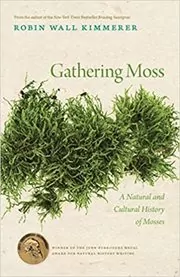
For readers who prefer attentive essays to a broad scientific survey. Kimmerer's close focus makes small organisms and their surroundings worth noticing, though the reflective pace offers neither a moss identification key nor a systematic course.
What it's about
Through linked essays on one of nature’s smallest life-forms, Kimmerer explores how mosses live, spread, and shape the world around them. It blends science, personal reflection, and a fresh way of paying attention.
Also recommended by
1 person Maria Popova recommended this book
Maria Popova
"An extraordinary celebration of smallness and the grandeur of life." - Maria Popova
Maria Popova's recommendation of this book

Encyclopedia of Plants and Flowers
For gardeners choosing plants for particular conditions and visual effects. The illustrated catalog supports practical comparison better than a narrative introduction, though its horticultural focus and cultivated selections won't replace a local wild-plant guide.
What it's about
Christopher Brickell oversees an illustrated reference to garden plants and flowers, combining a photographic catalog with a detailed plant dictionary. Groupings by type, size, and color accompany growing requirements and selection guidance for different sites, soils, and garden conditions.

For visual learners who want to explore plant structures and variety without beginning a textbook. Photographs and diagrams reward browsing, though the wide coverage provides less depth and practice than a structured plant biology course.
What it's about
This illustrated introduction explores plants from roots and stems to leaves, flowers, and seeds. Photographs and diagrams explain processes such as photosynthesis, reproduction, and adaptation, while examples reveal the variety of plant families and their interactions with other organisms.

Identifying and Harvesting Edible and Medicinal Plants
in Wild (and Not So Wild) Places
For readers exploring plants through food and traditional uses. Identification, seasonal detail, and preparation give observation a practical purpose, though the regional coverage and illustrations call for additional confirmation rather than relying on one book for foraging.
What it's about
Steve Brill and Evelyn Dean introduce foraging through illustrated accounts of wild plants and their identification, harvest, and preparation. Descriptions, seasonal information, recipes, and discussion of traditional uses connect plant observation with practical ways of learning about edible and medicinal species.

For readers studying ethnobotany and the cultural history of psychoactive plants. Its breadth makes it a specialist reference distinct from the introductory guides, though historical reports and traditional applications need critical evaluation rather than practical imitation.
What it's about
Christian Rätsch surveys psychoactive plants through botany, ethnopharmacology, and cultural history. Illustrated entries examine their distribution, traditional rituals, medicinal uses, and associated art, presenting a reference to the relationships between plants and altered states of consciousness.
Sources
- 1
100 Best Botany Books of All Time (Updated for 2026)
shortform.com
- 2
Resources | Botany Every Day
botanyeveryday.com
- 3
Plants Botany Books
goodreads.com
- 4
What’s the best book on botany you’ve read? : r/botany
reddit.com
- 5
Whats a good book to get into botany? : r/botany
reddit.com
- 6
Botanical Resource Suggested Reading
botanyeveryday.s3.amazonaws.com
- 7
References - Botany Brisbane
botanybrisbane.com
- 8
Books
depts.washington.edu
- 9
10 Must-Have Books for Master Gardeners | Hachette Book Group
hachettebookgroup.com
- 10
Best Plant and Botany Books for Kids - Nature Homeschool
naturehomeschool.com
- 11
The Best Books on Botany - Five Books Expert Recommendations
fivebooks.com




Edited by
Software engineer whose passion for tracking book recommendations from podcasts inspired the creation of MRB.
Lead investor at 3one4 Capital whose startup expertise and love for books helped shape MRB and its growth.
Comments
Spotted a missing book, a wrong order or a mistake? Tell us and we'll fix this page.
We're a reading guide, not the author or publisher, so we can't send books or pass on messages.