
11 Best Forensic Science Books
The best forensic science books, ranked by how many expert sources recommend each one, with notes on who each suits, from curious readers to forensic students.
Our take
Forensic science books explain how physical traces become evidence, but they take very different routes into that question. Textbooks introduce disciplines and procedures systematically. Practitioner memoirs show the human pressures of identifying the dead or reconstructing events. Histories explain how methods developed and why scientific claims have sometimes faced resistance, uncertainty or misuse.
Forensics gives general readers a tour across disciplines, while All That Remains connects anthropology with personal reflections on death. Criminalistics and Fundamentals of Forensic Science provide a more structured basis for study. Techniques of Crime Scene Investigation concentrates on practical scene work. For historical perspective, The Poisoner's Handbook follows the development of forensic chemistry in New York, and The Killer of Little Shepherds explores early scientific investigation in France. These narratives explain how the field changed rather than teaching current professional practice.
Start with Forensics for breadth, All That Remains for a practitioner's perspective, or Criminalistics if you want to study the subject in detail.
11 books · 9 sources · Last updated
As an Amazon Associate, we earn from qualifying purchases (at no extra cost to you).
How to choose from this list
Skip to the full rankingIf you want an accessible overview: Forensics
If you want a practitioner's perspective: All That Remains
If you're ready for textbook study: Criminalistics → Fundamentals of Forensic Science
If you want crime-scene procedures: Techniques of Crime Scene Investigation
If you prefer the history of detection: The Killer of Little Shepherds → The Poisoner's Handbook
If you're studying Indian investigations and trials: Forensic Science in Criminal Investigation and Trials
The 11 books, ranked
Ranked by how many expert sources name each book. Ties go to the book more people recommend.
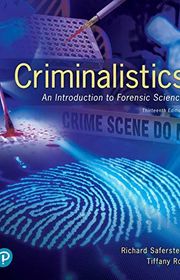
Criminalistics
For students and curious readers who want physical evidence explained without assuming extensive scientific training. Its textbook structure provides a broader technical foundation than case memoirs, but the detail and older edition material reward careful study rather than casual browsing.
What it's about
Richard Saferstein introduces physical evidence, crime-laboratory work and the collection and preservation of evidence. Case studies connect scientific principles with examination methods and the limits of interpretation, giving students a structured overview of criminalistics.

The Poisoner's Handbook
Murder and the Birth of Forensic Medicine in Jazz Age New York
For readers who want forensic chemistry taught through the struggle to make death investigation scientific. Its New York cases connect laboratory discoveries with politics and everyday hazards, but it is historical narrative rather than a guide to current toxicology.
What it's about
Deborah Blum follows medical examiner Charles Norris and toxicologist Alexander Gettler as they investigate poisonings in Jazz Age New York. Their cases trace the development of forensic chemistry and its role in uncovering deaths once difficult to explain.

For general readers who want several forensic disciplines introduced through cases and explanations. McDermid’s writerly perspective makes it more approachable than a textbook, but it offers a tour of the field rather than professional training or detailed methods.
What it's about
Val McDermid’s nonfiction tour of forensic science follows evidence from the crime scene to the courtroom. Along the way, she explains how modern investigators use pathology, DNA, and other tools to let the dead “speak.”

For readers who want forensic anthropology explained through a practitioner’s work and reflections on death. Its personal voice keeps identification connected to human lives, but the emotional material and descriptions of remains can be difficult.
What it's about
Forensic anthropologist Sue Black combines accounts of identifying human remains with reflections on death and personal loss. Cases involving crime, war, and disasters illuminate the science behind her work and the human lives that evidence can reveal.

For students who want the path from crime scene to laboratory and courtroom explained in one textbook. Its range provides a more systematic foundation than a memoir, though the technical detail and multiple contributors make it a substantial study commitment.
What it's about
This introductory textbook follows forensic evidence from the crime scene through laboratory examination and courtroom use. Expert contributors explain investigative techniques, legal admissibility, and death investigation, using case studies to connect scientific methods with practical questions.

For readers working within or studying India’s criminal justice system who want science connected to investigation and trials. Its legal context distinguishes it from the general introductions, but that jurisdictional focus limits its usefulness elsewhere.
What it's about
B. R. Sharma explains how forensic science supports criminal investigations and trials, with attention to its capabilities and limitations. The guide connects scientific techniques with statutes and Indian legal cases, making the subject accessible to criminal justice professionals.
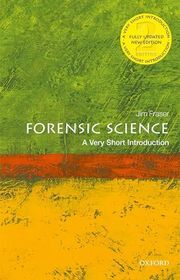
Forensic Science: A Very Short Introduction
For newcomers who want a compact account of what forensic scientists do and how their findings are interpreted. Its attention to uncertainty provides useful perspective, but the short format cannot teach the laboratory or scene procedures covered in textbooks.
What it's about
Jim Fraser introduces crime-scene management, laboratory examination and the interpretation of forensic findings. Examples cover methods including DNA profiling and fingerprinting, while discussion of bias and scientific validity explains why evidence must be evaluated with care.
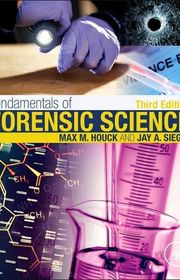
Fundamentals of Forensic Science
For students who want evidence interpreted within the relationships among people, places and events. Its emphasis on the reasoning behind forensic work complements procedure manuals, but the broad scientific coverage is more demanding than a short general introduction.
What it's about
Max Houck and Jay Siegel explain forensic science through the transfer, examination and interpretation of evidence. Case studies and illustrations connect crime scenes with laboratory work, emphasizing the scientific principles and contextual reasoning that support conclusions.
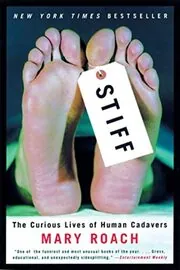
For readers curious about what donated bodies contribute to research and training beyond criminal investigation. Its reporting and dark humor make an unusual companion to forensic memoirs, but it ranges widely outside forensics and can be graphic.
What it's about
Roach explores what happens to human bodies after death, from medical training and crash tests to decomposition and organ research. Morbid, funny, and unexpectedly humane, it shows how cadavers have shaped science and medicine.

Techniques of Crime Scene Investigation
For students and investigators interested in the practical sequence of documenting scenes and handling evidence. Its procedure-focused coverage complements laboratory introductions, but the professional detail and edition-specific practices require more attention than a popular-science account.
What it's about
Barry Fisher presents practical methods for investigating crime scenes and collecting evidence. The guide addresses forensic techniques, scene reconstruction, documentation, professional ethics, and the handling of different evidence types, linking scientific examination with investigative work.
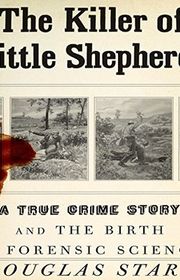
The Killer of Little Shepherds
For readers interested in how early forensic methods developed within a difficult criminal investigation. Its paired focus on a murderer and the investigators supplies historical context, but the violence and period-specific science make it a demanding read.
What it's about
Douglas Starr recounts the investigation of serial murderer Joseph Vacher in nineteenth-century France. Prosecutor Émile Fourquet and criminologist Alexandre Lacassagne pursue the case while developing methods that help establish forensic science as part of criminal investigation.
Sources
- 1
Best Books on Forensic Science for Beginners
forensicsdigest.com
- 2
Best Forensic Science Books Every Student Should Read
buddingforensicexpert.in
- 3
Forensic Science Books
goodreads.com
- 4
Best books on forensics for crime writers?
reddit.com
- 5
Forensic Science & Crime
goodreads.com
- 6
Recommendations
reddit.com
- 7
5 Nonfiction Books to Read If You’re Into Forensic Science
bookshelfsoliloquies.com
- 8
The best books on Forensic Science
fivebooks.com
- 9
Books - Forensic Resources
forensicresources.org






Edited by
Software engineer whose passion for tracking book recommendations from podcasts inspired the creation of MRB.
Lead investor at 3one4 Capital whose startup expertise and love for books helped shape MRB and its growth.
Comments
Spotted a missing book, a wrong order or a mistake? Tell us and we'll fix this page.
We're a reading guide, not the author or publisher, so we can't send books or pass on messages.