
13 Best Forensic Psychology Books
Explore the best forensic psychology books, ranked by expert sources, with notes for curious beginners, students, and readers interested in professional practice.
Our take
Forensic psychology connects psychological research and practice with legal questions. That includes much more than offender profiling: witnesses, assessment, expert evidence, and the experiences of people moving through justice systems all matter. The books here range from introductions and academic references to personal accounts of investigation and clinical work, so choosing the right kind of book is the first step.
Forensic Psychology: A Very Short Introduction offers a compact orientation, while Introduction to Forensic Psychology provides a broader route for students. Investigative Psychology concentrates on analysis within investigations, and Psychological Evaluations for the Courts addresses a more advanced professional audience. Readers who prefer personal accounts may find The Dark Side of the Mind or The Devil You Know more approachable, though these provide selected experiences rather than a complete account of the field. Start with a broad introduction, then decide whether your interest lies in research, legal practice, or narrative cases.
13 books · 6 sources · Last updated
As an Amazon Associate, we earn from qualifying purchases (at no extra cost to you).
How to choose from this list
Skip to the full rankingIf you want a brief introduction: Forensic Psychology → Forensic Psychology For Dummies
If you are beginning academic study: Introduction to Forensic Psychology → The Psychology of Criminal Conduct
If investigative analysis interests you: Investigative Psychology → The Anatomy Of Motive
If you want psychology in the courtroom: Minds on Trial → Psychological Evaluations for the Courts
If you prefer accounts of professional work: The Dark Side of the Mind → The Devil You Know
The 13 books, ranked
Ranked by how many expert sources name each book. Ties go to the book more people recommend.

For students who need a broad foundation, the Bartols connect research with the range of work done in legal settings. Its textbook structure supports coursework, but general readers may find it less engaging than a case narrative.
What it's about
Curtis and Anne Bartol introduce forensic psychology by connecting psychological research with civil and criminal justice practice. The textbook explains how findings are evaluated and applied within legal settings, offering students a framework for understanding the field's research and professional responsibilities.

For readers studying how psychology can inform investigations, Canter and Youngs provide a research-oriented framework beyond popular profiling stories. Its attention to inference and patterns is valuable, but the academic approach assumes patient, systematic reading.
What it's about
David Canter and Donna Youngs examine how psychological analysis can inform criminal investigations. Cases, offender accounts, and research discussions connect profiling, patterns of criminal action, and investigative inference, providing an academic framework for studying behavior and evidence.

Psychological Evaluations for the Courts
A Handbook for Mental Health Professionals and Lawyers
For advanced students and professionals examining forensic assessment, this handbook links psychological evaluation with legal questions and responsibilities. The detailed reference approach is useful for study, but its density and jurisdictional context limit its value as an introduction.
What it's about
Gary B. Melton and his coauthors explain forensic psychological assessment across criminal, civil, juvenile, and family proceedings. The handbook connects evaluation methods with legal and ethical requirements, including competency, mental state, report writing, and expert testimony.

For readers drawn to investigators’ accounts of violent crime, Hazelwood offers a practitioner’s perspective on behavioral patterns. The cases create narrative momentum, but the focus on extreme sexual violence gives a narrow and disturbing view of the field.
What it's about
Roy Hazelwood and Stephen G. Michaud examine violent offenders through cases from Hazelwood’s profiling career. Their account connects criminal behavior, sexual violence, and psychological patterns with the investigative techniques used to develop profiles and pursue dangerous suspects.

Forensic Psychology For Dummies
For curious beginners who want the breadth of the field explained plainly, Canter offers a more manageable introduction than a textbook. Its accessible overview helps orientation, but readers seeking research detail or professional methods will need more depth.
What it's about
David Canter introduces the relationship between psychology and criminal justice through explanations and international case examples. The guide explores criminal behavior, offender profiling, witnesses, assessment, and treatment, showing how psychological knowledge enters investigations and the wider legal process.
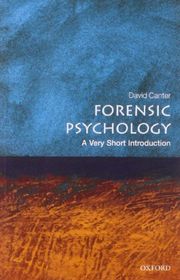
Forensic Psychology: A Very Short Introduction
For readers who want to understand the field before choosing a larger book, Canter offers a compact map of its main concerns. The brevity makes it an efficient orientation, but leaves limited room for research detail.
What it's about
David Canter surveys how psychology intersects with crime and legal processes. The introduction considers explanations of criminal behavior, investigation, evidence, and professional roles, giving readers a concise view of the questions and limits that shape forensic psychological work.

Inside the Criminal Mind
For readers interested in an argument centered on offenders’ thinking and choices, Samenow presents a clear, forceful position. Its consistency makes the approach easy to examine, but it should be compared with competing explanations of criminal behavior.
What it's about
Stanton Samenow argues that distinctive patterns of thinking and personal choice are central to criminal behavior. Drawing on his work with offenders, he challenges explanations based on social circumstances and presents his approach to accountability and psychological change.

The Anatomy Of Motive
The FBI's Legendary Mindhunter Explores The Key To Understanding And Catching Violent Criminals
For readers who want investigators’ interpretations of why violent crimes occur, Douglas offers an accessible case-driven approach. Its range of incidents gives variety, but narrative profiling should be distinguished from a systematic review of psychological research.
What it's about
Rather than catalog crimes, this book digs into motives, from lone bombers and political assassins to workplace shooters and parents who kill their families, showing how early fantasies, grievances, and stressors can push very different offenders toward lethal violence.

For readers seeking an academic account of explanations for criminal behavior, Blackburn integrates several psychological traditions with assessment and treatment questions. Its conceptual breadth rewards study, but its age means current research should accompany it.
What it's about
Ronald Blackburn examines psychological explanations of crime, drawing on developmental, social, and clinical research. The book connects theories of criminal behavior with offender classification, assessment, and treatment, while considering contributions from psychiatry, biology, and law.
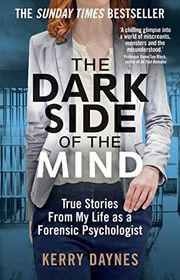
The Dark Side of the Mind
For readers curious about the working life behind forensic psychology, Daynes offers a personal account grounded in encounters with difficult cases. The professional perspective is engaging, but a memoir cannot stand in for a research-based textbook.
What it's about
Kerry Daynes recounts experiences from her work as a forensic psychologist, reflecting on the people she encounters and the institutions surrounding them. Personal observations and case narratives explore criminal behavior, psychological distress, and the demands of the profession.
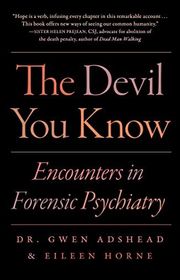
The Devil You Know
For readers interested in understanding people who have committed serious violence, Adshead and Horne emphasize therapeutic encounters and human complexity. The reflective perspective broadens sensational crime narratives, but the cases are distressing and the focus is forensic psychiatry.
What it's about
Forensic psychiatrist Gwen Adshead and writer Eileen Horne recount encounters with people who have committed serious crimes. Their case narratives explore violence, personal histories, responsibility, and the possibility of change, examining the people behind acts often described only as evil.

For general readers interested in psychopathy, Hare explains the concept through research discussion and case examples. Its accessible style introduces a difficult subject, but readers should avoid treating memorable descriptions as a tool for diagnosing people themselves.
What it's about
Robert D. Hare draws on research and case examples to examine psychopathy, including manipulation, deceit, and lack of remorse. He explores how such traits appear beyond sensational murder cases and considers the difficulties of recognition and personal protection.

For readers who learn through legal disputes, Ewing and McCann make the interaction between psychology and the courts concrete. The case-based structure is accessible, though prominent cases provide a selective picture rather than a complete professional curriculum.
What it's about
Charles Patrick Ewing and Joseph McCann examine 20 prominent legal cases in which psychology helped shape the proceedings. Their accounts explore expert testimony and issues such as insanity, false confessions, custody, and criminal profiling, connecting individual disputes with broader legal and psychological questions.
Sources
- 1
The best books on Forensic Psychology
fivebooks.com
- 2
Forensic Psychology Books
goodreads.com
- 3
100 Best Forensic Psychology Books of All Time
shortform.com
- 4
Recommendations for Forensic Psychology textbooks?
reddit.com
- 5
5 Great Books For Forensic Psychologists
bestmastersinpsychology.com
- 6
Reading List for Candidates in the Designated Forensic Professional Certification Program
umassmed.edu








Edited by
Software engineer whose passion for tracking book recommendations from podcasts inspired the creation of MRB.
Lead investor at 3one4 Capital whose startup expertise and love for books helped shape MRB and its growth.
Comments
Spotted a missing book, a wrong order or a mistake? Tell us and we'll fix this page.
We're a reading guide, not the author or publisher, so we can't send books or pass on messages.