
16 Best Fashion History Books
The best fashion history books, ranked by how many expert sources recommend each one, with notes to help you choose garment guides, biographies, and surveys.
Our take
Fashion history can begin with a surviving dress, a designer’s career, or the labor and commerce behind a piece of cloth. These books offer several ways into the subject. Some teach you to notice construction and silhouette, while others follow personalities, institutions, or the social meanings attached to what people wear.
How to Read a Dress is an accessible introduction to looking closely at garments. Fashion History and DK’s Fashion provide broader visual orientation, while The Dictionary of Fashion History helps with unfamiliar terms. Alexander McQueen and Tom Ford concentrate on individual designers’ work. Gods and Kings, The Beautiful Fall, and Grace offer more personal accounts of the industry. For different perspectives, Fashion Victims investigates clothing’s dangers and Worn follows the materials and people behind everyday garments.
Start with an illustrated survey for chronology, then choose a garment study, biography, or industry history according to what you want to understand more closely.
16 books · 7 sources · Last updated
As an Amazon Associate, we earn from qualifying purchases (at no extra cost to you).
How to choose from this list
Skip to the full rankingIf you're new to fashion history: Fashion: The Definitive Visual Guide → How to Read a Dress
If you want to study surviving garments: Fashion History → The Dictionary of Fashion History
If you want designer careers and rivalry: Gods and Kings → The Beautiful Fall
If you're interested in fashion imagery: Grace → Alexander McQueen
If you want clothing's human and material costs: Fashion Victims → Worn
If you want a focused turning point: The Battle of Versailles
The 16 books, ranked
Ranked by how many expert sources name each book. Ties go to the book more people recommend.

For beginners who want to identify changes in dress through visible details. Its annotated garment photographs make close looking accessible, though the introductory format offers less depth than specialist studies of a single period.
What it's about
Lydia Edwards traces changes in dresses across five centuries through annotated photographs of historical garments. She examines shape, fabrics, decoration, construction, and undergarments, connecting the details of clothing with occasion, class, age, and social status.

For readers interested in the material and human costs hidden behind appearance. Its evidence about dangerous clothing connects production with wear more directly than designer histories, though the accounts of injury can make uncomfortable reading.
What it's about
Alison Matthews David investigates clothing that endangered its makers and wearers, from toxic dyes and mercury-treated hats to garments that caught fire. Objects, images, and written accounts reveal the physical hazards hidden behind fashionable appearance and textile production.

For readers who want creative careers placed within the changing luxury business. Its paired biographies connect personal ambition with corporate pressure, though the dramatic rises and falls can dominate the discussion of the clothes themselves.
What it's about
Dana Thomas traces the careers of Alexander McQueen and John Galliano as their theatrical designs changed high fashion. Their stories expose the pressures of celebrity and corporate expansion, connecting creative achievement with the personal costs of an increasingly demanding industry.

The Dictionary of Fashion History
For researchers, writers, and costume makers who need to identify historical terminology. Its alphabetical structure makes it a useful companion to illustrated histories, though it works better for consultation than for learning chronology from beginning to end.
What it's about
Valerie Cumming updates the Cunningtons' historical dictionary of clothing and adornment. Alphabetical entries explain fashion terms across centuries, supplemented by material on fabrics, lace, and color names for readers researching dress or creating period costumes.

For readers who want to examine McQueen’s clothes as designed objects. Its exhibition photographs and thematic essays offer depth beyond a career biography, though the focus on selected works gives less attention to everyday production and business history.
What it's about
Andrew Bolton examines Alexander McQueen's designs in an illustrated catalogue accompanying the Savage Beauty exhibition. Photographs and essays explore the designer's creative methods, provocative imagery, and use of fashion to engage with questions of identity, history, and culture.
Also recommended by
1 person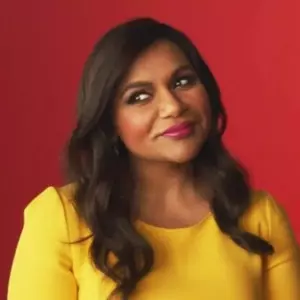 Mindy Kaling recommended this book
Mindy Kaling
Mindy Kaling recommended this book in a Today.com interview.
Mindy Kaling's recommendation of this book

For readers who prefer studying surviving garments to reading a continuous narrative. Its museum collection photographs make silhouette, fabric, and decoration especially clear, though the selection concentrates largely on Western fashion and represented social groups.
What it's about
Drawing on the Kyoto Costume Institute's collection, this illustrated history surveys clothing from the eighteenth through twentieth centuries. Photographs and commentary examine outerwear, underwear, footwear, and accessories, connecting changing fashions with expressions of culture, status, and identity.
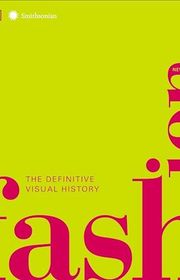
Fashion: The Definitive Visual Guide
For beginners who want an illustrated overview before specializing in a period or designer. Its visual chronology makes comparisons easy, though the breadth compresses complex histories and cannot replace detailed studies of particular places or communities.
What it's about
This illustrated survey traces clothing and style across centuries through garments, images, timelines, and explanatory features. It connects changing forms of dress with design developments and social contexts, offering readers a broad reference for exploring fashion history.

For readers curious about how fashion images are imagined and produced. Coddington’s drawings and recollections give the magazine world a personal voice, though the memoir is selective and offers less distance than an independent history.
What it's about
Grace Coddington recounts her move from modelling to creating fashion stories at British and American Vogue. Photographs and her own drawings accompany memories of collaborators, personal relationships, and the imaginative work behind magazine images that became her signature.

For readers interested in the development of a luxury house through objects and branding. Its access to company archives provides abundant visual material, though that institutional perspective is less critical than an independent industry history.
What it's about
Paul-Gérard Pasols traces Louis Vuitton's development through company archives, designs, advertising, and photographs. The illustrated history focuses on founder Louis, his son Georges, and grandson Gaston, following the business from luggage-making into a wider luxury brand.

Tom Ford
For readers interested in Ford’s fashion imagery and brand identity during his Gucci and Yves Saint Laurent years. Its large photographs suit close browsing, though it is a curated visual record rather than a critical biography.
What it's about
Tom Ford and Bridget Foley survey Ford's design work for Gucci and Yves Saint Laurent from 1994 to 2004. Photographs document clothing and accessories alongside his approach to brand identity, store architecture, interiors, and advertising.
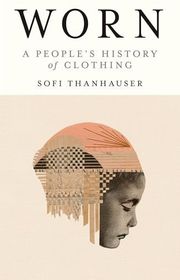
Worn
For readers who want clothing history beyond designers and elite wardrobes. Its material-by-material approach connects textiles with labor and power, though the wide historical range offers less detail on changing silhouettes or individual fashion houses.
What it's about
Sofi Thanhauser follows the histories of linen, cotton, silk, synthetics, and wool. Travel and historical research connect familiar clothing materials with industrial change, labor, environmental damage, and the people whose work produces what others wear.

For readers ready to explore how one public figure used clothing. Its attention to surviving garments and records gives royal image-making a concrete basis, though its narrow focus assumes more interest than a general survey requires.
What it's about
Kate Strasdin examines Queen Alexandra's surviving clothes alongside letters, journals, and wardrobe records. The study explores how royal dress shaped her public and private identities, connecting individual garments with power, celebrity, social status, and performance.

The Battle of Versailles
The Night American Fashion Stumbled into the Spotlight and Made History
For readers who like a focused event to illuminate wider cultural change. Its account connects designers, models, performance, and national identity, though it offers a concentrated episode rather than a full history of American fashion.
What it's about
Robin Givhan reconstructs the 1973 fashion show at Versailles where American designers presented alongside leading French houses. She connects the event's performers, models, and backstage tensions with the changing status of American fashion and wider shifts in society.

For readers who enjoy individual lives as a route into the meaning of clothing. Its short portraits connect dress with status and power across periods, though the breadth necessarily limits the depth of each account.
What it's about
Amber Butchart explores clothing as a form of communication through the style stories of one hundred figures across cultures and centuries. The book connects fashion with status, political power, aesthetics, and activism, using dress to examine the past.

For readers drawn to the social world surrounding Saint Laurent and Lagerfeld. Its account of rivalry and personal connections makes a particular Parisian moment vivid, though the emphasis on personalities leaves less space for garment analysis.
What it's about
Alicia Drake examines the rivalry between Yves Saint Laurent and Karl Lagerfeld in the Paris fashion world of the 1970s. Their careers and social circles reveal an environment shaped by creative ambition, personal loyalties, spectacle, and the pursuit of beauty.

For readers who want to understand how marketing and retail changed fashion businesses. Its reporting gives commercial decisions more attention than most designer monographs, though the industry examples reflect an earlier stage of an evolving market.
What it's about
Teri Agins examines fashion's shift toward mass marketing, tracing how retailing, licensing, financing, and image-making influence the clothes people buy. Accounts of designers and their businesses reveal tensions between creative ambitions and the commercial demands of a changing industry.
Sources
- 1
100 Best Fashion History Books of All Time (Updated for 2026)
shortform.com
- 2
20 Incredible Books Covering the History of Fashion
lovehappensmag.com
- 3
Fashion History Books
goodreads.com
- 4
What’s your favorite fashion history book?
reddit.com
- 5
The 10 Best Fashion History Books for Beginners
elle.com
- 6
Must-read books about fashion
penguin.co.uk
- 7
Collectors: 10 Fashion History Books to Start Your Curated Library
vivienlauren.co.uk









Edited by
Software engineer whose passion for tracking book recommendations from podcasts inspired the creation of MRB.
Lead investor at 3one4 Capital whose startup expertise and love for books helped shape MRB and its growth.
Comments
Spotted a missing book, a wrong order or a mistake? Tell us and we'll fix this page.
We're a reading guide, not the author or publisher, so we can't send books or pass on messages.