
28 Best Fashion Books
The best fashion books, ranked by expert source recommendations, with notes to help you choose designer memoirs, industry reporting, visual studies, and style guides.
Our take
Fashion books can explain much more than what to wear. They examine the people who design and photograph clothes, the businesses that sell them, and the histories and identities expressed through dress. Some are visual books for browsing; others are reported investigations, biographies, personal memoirs, or advice shaped by a particular view of style.
For an industry perspective, consider Deluxe, Fashionopolis, or The End of Fashion. The Battle of Versailles uses one show to examine a larger cultural shift. Readers drawn to personalities can choose D.V., Grace, Dapper Dan, or The Chiffon Trenches. The Chanel and Schiaparelli biographies offer more sustained attention to individual designers. The New Black Vanguard explores image-making, while The Golden Thread places fabrics within a broader material history. Modesty brings religious identity and contemporary commerce into the discussion. For wardrobe inspiration, The Little Dictionary of Fashion and The One Hundred present specific, historically situated tastes. Start with an industry account for context, or a memoir whose creative viewpoint interests you.
28 books · 7 sources · Last updated
As an Amazon Associate, we earn from qualifying purchases (at no extra cost to you).
How to choose from this list
Skip to the full rankingIf you want to understand fashion’s business: Deluxe → The End of Fashion
If you want to examine production and consumption: Overdressed → Fashionopolis
If you want memoirs of fashion careers: D.V. → Grace → The Chiffon Trenches
If you want style and cultural change: Dapper Dan → The Battle of Versailles
If you want images and representation: The New Black Vanguard → Peter Lindbergh
If you want clothing’s wider histories: The Golden Thread → Fashion Victims
The 28 books, ranked
Ranked by how many expert sources name each book. Ties go to the book more people recommend.

The Battle of Versailles
The Night American Fashion Stumbled into the Spotlight and Made History
For readers who want one event used to explain a larger shift in fashion. The reporting connects designers, models, and cultural change, though the concentrated focus offers less of a general industry history.
What it's about
Robin Givhan reconstructs the 1973 fashion show at Versailles where American designers presented alongside leading French houses. She connects the event's performers, models, and backstage tensions with the changing status of American fashion and wider shifts in society.

D.V.
For readers who want a fashion editor’s distinctive voice and social imagination. The anecdotes convey a way of seeing as much as a life story, though the self-created mythology is less reliable than a researched biography.
What it's about
Diana Vreeland recounts her life in fashion and society through anecdotes, observations, and encounters with celebrated figures. Her autobiography moves through Paris, London, and New York, reflecting the distinctive voice and tastes of the influential magazine editor.

For readers who want creative ambition examined alongside the pressures of luxury business. The paired careers reveal industry change through individual lives, though the accounts of distress and exploitation make it emotionally demanding.
What it's about
Dana Thomas traces the careers of Alexander McQueen and John Galliano as their theatrical designs changed high fashion. Their stories expose the pressures of celebrity and corporate expansion, connecting creative achievement with the personal costs of an increasingly demanding industry.

For readers who want a fashion editor’s career connected with race, background, and personal loyalties. The candid memoir opens relationships usually kept behind magazine images, though the account remains subjective and focused on its author’s experience.
What it's about
André Leon Talley recalls his rise through fashion magazines and his relationships with figures including Karl Lagerfeld and Diana Vreeland. His memoir combines professional triumphs and conflicts with personal struggles, Southern roots, and the faith that shaped his outlook.
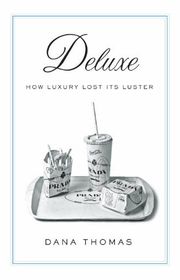
Deluxe: How Luxury Lost Its Luster
For readers who want to understand the business systems behind luxury’s image of exclusivity. The reporting connects brands with production and global expansion, though its market snapshot predates major subsequent changes in ownership and retail.
What it's about
Dana Thomas investigates how luxury fashion developed into a global corporate business. Reporting on production, branding, retail, and counterfeiting examines the relationship between promises of craftsmanship and exclusivity and the commercial systems behind expensive goods.

For readers who want to look beyond finished garments to labor, manufacturing, and environmental costs. The reporting also explores proposed alternatives, though specific technologies and business examples need checking against developments since publication.
What it's about
Dana Thomas investigates the clothing industry's environmental and labor costs while reporting on efforts to change how garments are made. Designers, craftspeople, and technology companies provide examples of alternatives, including fabric recycling, cleaner production, and renewed attention to local manufacturing.

For readers who want to understand how cheap clothing changes production and buying habits. The accessible investigation connects personal consumption with wider systems, though the market examples reflect an earlier stage of fast fashion.
What it's about
Elizabeth Cline investigates the rise of cheap, disposable clothing and its effects on consumers, workers, and the environment. Her reporting follows the habits and systems behind fast fashion, questioning what low prices conceal and how frequent buying changes our relationship with clothes.

For readers who want fashion examined as a business shaped by marketing and finance. The industry reporting explains forces beyond individual designers, though its examples predate many changes brought by online retail and social media.
What it's about
Teri Agins examines fashion's shift toward mass marketing, tracing how retailing, licensing, financing, and image-making influence the clothes people buy. Accounts of designers and their businesses reveal tensions between creative ambitions and the commercial demands of a changing industry.

For readers who want clothing placed within a larger history of materials and invention. The connected stories make textiles relevant beyond fashion, though their broad sweep provides less depth on individual designers or garment traditions.
What it's about
Kassia St. Clair traces how fabrics and fibers have shaped human history. Stories of technological invention and cultural change connect ancient textiles with industrial production, ocean travel, extreme exploration, athletic achievement, and life in space.

For readers interested in Dior’s own ideas about dressing and presentation. The brief entries make it easy to browse, though the midcentury rules and narrow ideal of femininity are historical viewpoints rather than universal advice.
What it's about
Christian Dior offers brief advice on clothes, accessories, grooming, and dressing for different occasions. Illustrated entries range from scarves to wedding attire, expressing his ideas about simplicity and taste in a compact handbook for developing a personal wardrobe.

For readers interested in contemporary Black photographers and changing representations of beauty. The combination of portfolios and discussion gives images cultural context, though the selected artists provide a focused intervention rather than a complete photography survey.
What it's about
Antwaun Sargent examines how Black photographers are reshaping the relationship between art and fashion. Portfolios, essays, and conversations explore representations of beauty and identity while considering the institutional barriers these image makers encounter in their careers.

For readers interested in the meeting of fashion, entrepreneurship, and hip-hop culture. The personal account gives Harlem’s creative economy unusual prominence, though the memoir follows one perspective rather than surveying the whole movement.
What it's about
Daniel Day, known as Dapper Dan, recounts growing up in Harlem and developing his distinctive approach to fashion. His memoir connects street life, entrepreneurship, and hip hop style with the challenges of building a business beyond established industry boundaries.
Also recommended by
1 person Ben Horowitz recommended this book
Ben Horowitz
"An amazing entrepreneurial story covering everything from dice to fashion." - Ben Horowitz
Ben Horowitz's recommendation of this book

Champagne Supernovas
Kate Moss, Marc Jacobs, Alexander McQueen, and the '90s Renegades Who Remade Fashion
For readers drawn to the personalities and cultural atmosphere of 1990s fashion. The linked portraits make a period of change vivid, though the emphasis on celebrity and personal turmoil can outweigh close analysis of the designs.
What it's about
Maureen Callahan examines 1990s fashion through the lives of Kate Moss, Marc Jacobs, and Alexander McQueen. Interviews with industry insiders connect their creative influence and personal struggles to a decade of changing cultural ideals.

For readers who want a decorative, illustrated introduction to Chanel’s life and visual legacy. The drawings make the subject approachable, though the selective presentation is less probing than a full researched biography.
What it's about
Megan Hess traces Coco Chanel’s life through illustrations of key experiences and influential designs. The book moves from her early years and creation of a fashion business to the growth of her empire and the enduring influence of her style.

For readers who want to look beyond Chanel’s carefully fashioned public image. The biographical approach connects relationships and history with the designer’s career, though clothing construction and collection-by-collection analysis are not its main focus.
What it's about
Justine Picardie examines the life behind Coco Chanel’s carefully constructed public image. Tracing her childhood, relationships, designs, and later career, the biography explores the tensions between personal history and legend that helped shape an influential fashion figure.

For readers curious about how a couture designer described his own work and professional life. The first-person view gives collection-making a personal dimension, though self-presentation and period conventions shape what the account includes.
What it's about
Christian Dior recounts his career and the work behind his Paris couture house, from early ambitions to creating collections and presenting shows. His memoir describes the inspirations, doubts, and attention to detail that shaped his approach to designing clothes.

For readers interested in Schiaparelli’s life and her connections with the art world. The researched biography adds personal and historical context to the clothes, though it is less immediately visual than a collection-focused illustrated book.
What it's about
Meryle Secrest follows Elsa Schiaparelli's life and career, examining the designer's unconventional clothes and collaborations with artists including Salvador Dalí. The biography connects her rise in Paris couture with the personal relationships and historical circumstances surrounding her work.

For readers who want fashion history through the physical consequences of making and wearing clothes. The object-based investigations offer an unusual perspective, though the accounts of poisoning and injury make it a darker read than a style survey.
What it's about
Alison Matthews David investigates clothing that endangered its makers and wearers, from toxic dyes and mercury-treated hats to garments that caught fire. Objects, images, and written accounts reveal the physical hazards hidden behind fashionable appearance and textile production.

For readers interested in the imagination and collaboration behind fashion editorials. Coddington’s drawings and memories offer an insider’s creative perspective, though the personal account is less critical of the broader industry than investigative reporting.
What it's about
Grace Coddington recounts her move from modelling to creating fashion stories at British and American Vogue. Photographs and her own drawings accompany memories of collaborators, personal relationships, and the imaginative work behind magazine images that became her signature.

For readers interested in couture as skilled work carried out in particular spaces. The photographs offer access to ateliers and their surroundings, though the selective tour is more visual appreciation than technical instruction in making garments.
What it's about
Désirée Sadek and photographer Guillaume de Laubier visit ten Paris fashion houses, moving from reception rooms into sewing ateliers. Their illustrated tour connects couture's architectural settings with the daily work of designers and artisans who produce the clothes.

For readers who enjoy personal style as experimentation rather than a set of rules. Apfel’s images and recollections make the book lively to browse, though it offers individual inspiration rather than a systematic wardrobe-building method.
What it's about
Iris Apfel combines memories, observations, photographs, and illustrations in an account of her life and distinctive personal style. The book brings together fashion, textiles, and interior design, showing how curiosity and experimentation informed the clothes and objects she collected.

For readers interested in the creative and social worlds surrounding Saint Laurent and Lagerfeld. The rivalry provides a clear thread through 1970s Paris, though the detailed personal networks can pull attention away from the design work.
What it's about
Alicia Drake examines the rivalry between Yves Saint Laurent and Karl Lagerfeld in the Paris fashion world of the 1970s. Their careers and social circles reveal an environment shaped by creative ambition, personal loyalties, spectacle, and the pursuit of beauty.

For readers who enjoy family-business history intertwined with true crime. The detailed account connects luxury branding with control and personal conflict, though the tangled relationships and financial disputes can overshadow the clothes themselves.
What it's about
Sara Gay Forden traces the Gucci family's business fortunes alongside the murder of Maurizio Gucci and the ensuing trial. The account connects luxury goods, financial control, and personal conflict, following the fashion house from its early beginnings through corporate transformation.

For readers who enjoy a clearly organized starting point for thinking about wardrobe pieces. The illustrations and short entries make browsing easy, though the proposed essentials reflect one editor’s taste, lifestyle, and spending assumptions.
What it's about
Nina Garcia selects one hundred wardrobe pieces she considers enduring foundations of personal style. With illustrations by Ruben Toledo, the guide offers ideas for shopping and editing a closet, presenting Garcia's view of the clothes and accessories worth keeping.

The Woman I Wanted to Be
For readers interested in a designer’s account of independence, business, and personal reinvention. The reflective voice connects public success with private setbacks, though the memoir offers less independent assessment of the brand than a researched history.
What it's about
Diane von Furstenberg recounts her childhood in Brussels, marriage into a royal family and emergence as a fashion designer. Her memoir follows motherhood, illness, business setbacks and the pursuit of independence alongside the growth of her brand.
Also recommended by
2 people Karlie Kloss recommended this book
Karlie Kloss
"[The author]'s taught me to be the woman I want to be and confidence is a huge part of that." - Karlie Kloss
Karlie Kloss's recommendation of this book  Sheryl Sandberg recommended this book
Sheryl Sandberg
"Offers a behind-the-scenes look into the ups and downs of building a global business, creating an enduring brand, and finding true love." - Sheryl Sandberg
Sheryl Sandberg's recommendation of this book

For readers interested in how dress connects religious identity, personal expression, and commerce. The focus on modest fashion broadens the discussion beyond European luxury houses, though the varied interpretations resist a single definition or simple conclusion.
What it's about
Hafsa Lodi explores the growth of modest fashion through designers, models, brands, and social media personalities. She examines religious influences, commercial opportunities, and competing ideas about what modesty means when clothing conceals the body but still seeks attention.

For readers who want to study one photographer’s sustained approach to fashion imagery. The visual concentration rewards slow looking at composition and presence, though it is a portfolio rather than a camera manual or comprehensive history.
What it's about
This collection surveys Peter Lindbergh's fashion photography across decades of work, bringing together images of models and designers. His cinematic compositions and emphasis on the people behind the clothes illustrate an approach that helped reshape ideas of beauty in fashion imagery.

The Glass of Fashion
A Personal History of Fifty Years of Changing Tastes and the People Who Have Inspired Them
For readers who enjoy a personal record of taste and the social figures who shaped it. Beaton’s visual and written observations offer period atmosphere, though the selective perspective is closer to an insider’s impressions than a comprehensive history.
What it's about
Cecil Beaton offers a personal history of changing fashion and taste through the people who influenced his eye. Drawings, photographs, and recollections connect designers and social figures with styles from the first half of the twentieth century.
Sources
- 1
The 18 Best Fashion Books That Are Crucial to Your Education
whowhatwear.com
- 2
25 Best Fashion Books for Wardrobe Inspiration: Alexander McQueen, Prada, Kate Spade
teenvogue.com
- 3
The 25 Best Books About Fashion
harpersbazaar.com
- 4
32 Fashion Books to Gift This Holiday Season, From Underrated Must-Reads to Bestsellers
vogue.com
- 5
Fashion Books
goodreads.com
- 6
Best Fashion Books
penguin.co.uk
- 7
What’s your favorite fashion history book?
reddit.com









Edited by
Software engineer whose passion for tracking book recommendations from podcasts inspired the creation of MRB.
Lead investor at 3one4 Capital whose startup expertise and love for books helped shape MRB and its growth.
Comments
Spotted a missing book, a wrong order or a mistake? Tell us and we'll fix this page.
We're a reading guide, not the author or publisher, so we can't send books or pass on messages.