
11 Best Estate Planning Books
The best estate planning books, ranked by expert-source recommendations, with notes to help families choose record organizers, planning guides and references.
Our take
Estate planning brings together legal documents, family decisions and the information someone else may need during illness or after a death. These books approach different parts of that work. Some help organize records and express wishes, while others explain inheritance choices, trusts or the responsibilities of an executor. Most focus on the United States, and older editions need checking against current law and state requirements.
Estate Planning Basics offers an introduction before the fuller Plan Your Estate. Get It Together: Organize Your Records So Your Family Won't Have To and ABA/AARP Checklist for My Family: A Guide to My History, Financial Plans and Final Wishes focus on gathering information. Beyond the Grave: The Right Way and the Wrong Way of Leaving Money to Your Children (and Others) concentrates on inheritance and family conflict. For someone already settling an estate, The Executor's Guide addresses a different set of tasks.
Start with Estate Planning Basics for orientation, then use an organizer to prepare for family discussions and professional advice.
11 books · 5 sources · Last updated
As an Amazon Associate, we earn from qualifying purchases (at no extra cost to you).
How to choose from this list
Skip to the full rankingIf you are new to planning: Estate Planning Basics → Plan Your Estate
If you need to organize family information: Get It Together: Organize Your Records So Your Family Won't Have To → ABA/AARP Checklist for My Family: A Guide to My History, Financial Plans and Final Wishes
If you want to understand inheritance conflicts: Beyond the Grave: The Right Way and the Wrong Way of Leaving Money to Your Children (and Others)
If you are helping parents while raising children: Estate Planning for the Sandwich Generation
If you want to explore living trusts: Living Trusts for Everyone: Why a Will Is Not the Way to Avoid Probate, Protect Heirs, and Settle Estates
If you are administering an estate: The Executor's Guide
The 11 books, ranked
Ranked by how many expert sources name each book. Ties go to the book more people recommend.

For people whose first obstacle is scattered records rather than legal terminology. Its workbook helps make information findable for family members, but completing the organizer does not create or update the legal documents an estate plan requires.
What it's about
Melanie Cullen and Shae Irving provide a workbook for collecting important records and communicating where to find them. Prompts cover finances, legal documents, personal history, and meaningful possessions, creating an organized reference for family members.

ABA/AARP Checklist for My Family
A Guide to My History, Financial Plans and Final Wishes
For readers who want a structured record of personal history, finances and final wishes. Its checklists make family preparation concrete, but it offers less explanation of planning choices than the broader guides and still requires follow-through.
What it's about
Sally Balch Hurme provides checklists for gathering personal history, financial records, legal documents, and medical and final wishes. The workbook helps readers assemble information their families may need during illness, estate administration, or other major transitions.

Beyond the Grave
The Right Way and the Wrong Way of Leaving Money to Your Children (and Others)
For parents concerned about conflict and the consequences of leaving money to children. Its cautionary examples explore family dynamics more closely than the organizers, but legal and tax details in this older edition need current professional review.
What it's about
Jeffery L. Condon examines inheritance planning through practical explanations and cautionary examples. He discusses family conflict, taxes, creditors, and other threats to inherited assets, emphasizing how parents' decisions can affect their children after their deaths.
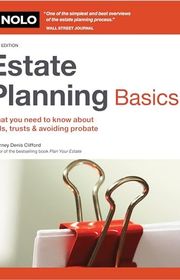
Estate Planning Basics
For beginners who want to understand the main documents before choosing a plan. Its plain-language overview is less demanding than the larger references, but the linked edition is older and state-specific decisions still need current legal guidance.
What it's about
Denis Clifford introduces wills, living trusts, probate, guardianship and planning for incapacity. The guide explains common estate-planning options in plain language, helping readers understand the documents and decisions they may discuss with an attorney.
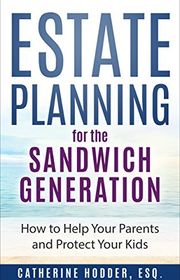
Estate Planning for the Sandwich Generation
For adults balancing concern for aging parents with responsibility for children. Its conversation starters and caregiver perspective address two generations together, but the practical family focus offers less legal depth than the comprehensive planning manuals.
What it's about
Catherine Hodder explains estate planning for adults caring about both parents and children. She combines introductions to essential documents with conversation starters, questions and caregiver resources, helping families prepare for incapacity, inheritance and other major life changes.

Living Trusts for Everyone
Why a Will Is Not the Way to Avoid Probate, Protect Heirs, and Settle Estates
For readers who want to understand the argument for using a living trust. Its focused treatment goes deeper into trust setup and administration than the organizers, but its advocacy needs balancing against individual circumstances and current state law.
What it's about
Ronald Farrington Sharp explains living trusts and argues for their advantages over wills in estate planning. This second edition discusses trustees, funding a trust, related documents, potential problems, and administration after an owner's death or disability.
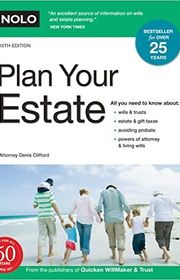
Plan Your Estate
For readers ready to study planning options beyond a short introduction. Its fuller treatment supports preparation for decisions and professional conversations, but the linked edition predates current law and cannot resolve state-specific or complex family circumstances on its own.
What it's about
Denis Clifford explains estate-planning choices involving wills, trusts, beneficiaries, probate and incapacity. The manual helps readers consider family circumstances and organize their wishes, distinguishing tasks they may handle themselves from situations that call for legal assistance.

The Complete Book of Wills, Estates & Trusts
Advice That Can Save You Thousands of Dollars in Legal Fees and Taxes
For readers who want a broad reference on wills, trusts and estate administration. Its definitions and examples provide more legal background than the checklists, but the detail can slow beginners and the linked edition needs checking against current law.
What it's about
Alexander A. Bove Jr. and Melissa Langa explain wills, trusts, probate, taxes, and estate administration. This fourth edition uses definitions and case examples to discuss planning choices, disputes, asset protection, and working with an attorney.
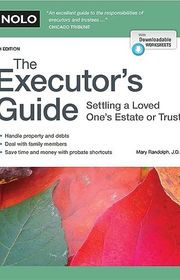
The Executor's Guide
For someone handling an estate after a death rather than planning their own inheritance. Its step-by-step administration focus fills a gap in the planning guides, but local procedures and current legal requirements need separate verification.
What it's about
Mary Randolph guides executors through settling a loved one’s estate or trust. The book explains practical administration tasks, including gathering assets, handling debts and taxes, and distributing property, while identifying situations where professional assistance may be needed.
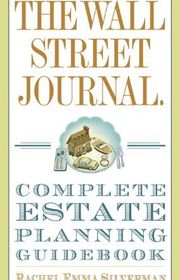
The Wall Street Journal Complete Estate-Planning Guidebook
For readers who want an accessible overview that supports conversations with family and advisers. Its explanations connect documents with practical decisions, but its older US legal and tax material makes it an orientation rather than a current rules reference.
What it's about
Rachel Emma Silverman explains estate-planning documents, inheritance decisions and conversations with family and professional advisers. The guide introduces wills, trusts, taxes and planning for incapacity, helping readers understand how these elements fit within a broader plan.

For baby boomers who want an approachable explanation before meeting an attorney. Its questions and examples clarify planning choices more directly than a records workbook, but the US focus and publication date limit its use for current legal details.
What it's about
Harry S. Margolis explains estate planning for baby boomers through common questions, essential documents, and practical examples. He discusses basic terminology, more complicated family circumstances, and deciding when professional assistance may be needed.
Sources
- 1
10 Best Estate Planning Books for 2026
smartasset.com
- 2
Financial Literacy in Public Libraries: A Guide for Building Collections: Estate Planning
libguides.ala.org
- 3
Estate Planning Books
goodreads.com
- 4
Leaving a legacy
smcl.bibliocommons.com
- 5
Estate Planning, Wills and Probate : Books & Treatises
researchguides.library.wisc.edu





Edited by
Software engineer whose passion for tracking book recommendations from podcasts inspired the creation of MRB.
Lead investor at 3one4 Capital whose startup expertise and love for books helped shape MRB and its growth.
Comments
Did we miss something? Have feedback?
Help us improve this page by sharing your thoughts