
12 Best Business Law Books
The best business law books, ranked by how many expert sources recommend each one, with notes on students, business owners, jurisdictions and where to start.
Our take
Business law covers the rules behind agreements, organizations, employment and commercial transactions. A textbook helps students understand doctrines and reason through cases. A practical handbook helps owners identify the questions that arise when starting or running a business. These are different reading tasks, and a book's jurisdiction and edition matter as much as its subject. Most of the practical guides here focus on the United States.
The textbooks range from short reviews to detailed treatments of cases and ethical dilemmas. Law and Ethics in the Business Environment emphasizes judgment where legal permission and responsible conduct may differ, while International Business Law and Its Environment addresses cross-border activity. For owners, Legal Guide for Starting & Running a Small Business offers a broader reference, and Working for Yourself concentrates on independent work. Start with the book closest to your role, then check that its jurisdiction, edition and depth fit the questions you need to study.
12 books · 6 sources · Last updated
As an Amazon Associate, we earn from qualifying purchases (at no extra cost to you).
How to choose from this list
Skip to the full rankingIf you want a course companion with shorter cases: Business Law Today
If you want to examine ethical business decisions: Law and Ethics in the Business Environment
If you're studying cross-border business: International Business Law and Its Environment
If you're starting a US small business: Legal Guide for Starting & Running a Small Business
If you freelance or work independently in the US: Working for Yourself
The 12 books, ranked
Ranked by how many expert sources name each book. Ties go to the book more people recommend.
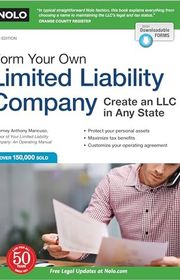
Form Your Own Limited Liability Company
For US readers who want a focused explanation of LLC formation rather than a general business textbook. Mancuso concentrates on organizational steps and documents, though this 2021 edition requires checking current state requirements and forms.
What it's about
Mancuso explains the formation of a limited liability company in the United States, including organizational choices, filing steps and operating agreements. The guide helps readers understand the documents and decisions involved in establishing this form of business.
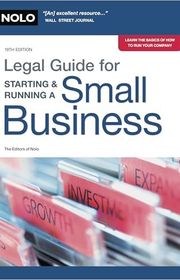
Legal Guide for Starting & Running a Small Business
For US business owners who want a practical reference across formation and daily operations. The topic-based format makes common questions easy to find, though state-specific details and unusual situations still require checking beyond the book.
What it's about
This guide surveys legal questions involved in starting and operating a US small business. Topics include business structures, contracts, employees, taxes and dealings with customers, giving owners a reference for recognizing issues and organizing routine decisions.

For students who want a substantial textbook built around cases and doctrine. Clarkson and his coauthors connect legal reasoning with commercial problems, though the US focus and older linked edition limit its use for current questions elsewhere.
What it's about
Kenneth Clarkson, Roger Miller, and Frank Cross introduce business law through explanations and court cases. The textbook connects legal doctrines with practical commercial situations, using chapter summaries and examples to explore ethical questions, international issues, and electronic commerce.
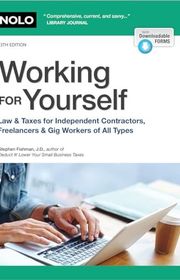
Working for Yourself
For US freelancers and independent contractors who need legal and tax topics connected with self-employment. Fishman's focused coverage is more relevant than a general corporate textbook, though changing tax rules make the edition and jurisdiction especially important.
What it's about
Fishman explains legal and tax issues facing independent contractors, freelancers and gig workers in the United States. The guide covers business organization, agreements, recordkeeping and tax responsibilities, helping self-employed readers identify the practical questions their work creates.

Business Law
For business students who learn best from disputes and concrete commercial examples. Cheeseman connects legal principles with management decisions, though the older US textbook is better for studying concepts than checking a business's present obligations.
What it's about
Henry Cheeseman uses business disputes and case examples to explain the legal environment in which companies operate. The textbook connects legal principles with commercial decisions while examining ethics, online commerce, and the international dimensions of doing business.

For students who want a compact review alongside lectures or a larger textbook. Emerson surveys the main commercial topics without the same reading load, though the condensed treatment and older edition make it unsuitable for resolving current legal disputes.
What it's about
Robert Emerson surveys business law for students and readers seeking a compact reference. Chapters introduce the legal environment, contracts, torts, product liability, consumer protection, and international business, combining explanations of basic principles with examples of their commercial applications.

For business students who want legal rules connected with ethics, international trade and online commerce. The court excerpts encourage close reading of legal reasoning, though the linked older edition needs newer material for current cases and regulation.
What it's about
Jane Mallor and her coauthors examine business law alongside its ethical, international, and electronic commerce dimensions. Court excerpts preserve the language of legal decisions, while hypothetical situations help students connect the rules with choices businesses face.

For online founders who want legal choices explained through concrete business scenarios. Hart makes early questions about structure, contracts and liability approachable, though the older handbook cannot establish what today's requirements are in your jurisdiction.
What it's about
James Hart introduces legal questions facing online entrepreneurs and startup owners through the contrasting experiences of two fictional businesspeople. The handbook covers business structures, liability, contracts, and naming decisions, showing how early choices can create or prevent legal complications.

For introductory students who want short chapters and a practical route through business transactions. The accessible format reduces the initial reading burden, though the older edition offers less depth and current detail than a comprehensive textbook.
What it's about
John and Janet Ashcroft introduce the legal principles involved in everyday business transactions. Short chapters, examples, and case material explain practical applications, giving students an accessible route into business law without assuming an extensive background in legal theory.

International Business Law and Its Environment
For students interested in transactions that cross national borders. Schaffer and his coauthors connect trade, licensing and investment with different legal settings, though the older edition needs substantial updating for current agreements and regulatory changes.
What it's about
Richard Schaffer and his coauthors explore the legal settings of international business, from trade in goods and services to licensing and foreign investment. Comparative examples show how legal rules interact with political and cultural differences across borders.

Law and Ethics in the Business Environment
For readers who want to examine business decisions beyond whether they are technically lawful. Halbert and Ingulli use cases and competing perspectives to develop ethical judgment, though the discussion-based format provides less systematic coverage than a broad law textbook.
What it's about
Terry Halbert and Elaine Ingulli examine the overlap between legal obligations and ethical decisions in business. Cases and interdisciplinary readings invite students to weigh competing perspectives on workplace conduct, regulation, and controversial issues rather than treating legality as the only consideration.

For business students who prefer condensed cases to long judicial extracts. Miller's explanations keep attention on practical applications across core topics, though the linked older edition needs current course material to cover later legal developments.
What it's about
Roger LeRoy Miller pairs explanations of business law with condensed case accounts that illustrate how rules operate in practice. Topics include contracts, sales, agency, torts, and business organizations, with ethical questions woven into the legal material.
Sources
- 1
Books - Self-Help Legal Materials
libguides.law.umn.edu
- 2
CLIC's Legal Self-Help Books - by Category
libguides.vermontlaw.edu
- 3
What is the single best legal book or article that you’ve read as a small business owner?
reddit.com
- 4
Business Law: Books
libguides.olympic.edu
- 5
15 Best Books on Business Law
biggerinvesting.com
- 6
Book for getting started with a single-person business?
reddit.com






Edited by
Software engineer whose passion for tracking book recommendations from podcasts inspired the creation of MRB.
Lead investor at 3one4 Capital whose startup expertise and love for books helped shape MRB and its growth.
Comments
Spotted a missing book, a wrong order or a mistake? Tell us and we'll fix this page.
We're a reading guide, not the author or publisher, so we can't send books or pass on messages.