
16 Best Enneagram Books
The best Enneagram books, ranked by how many expert sources recommend each one, with notes on who they suit, from first introductions to deeper reflection.
Our take
The Enneagram is a framework for reflecting on recurring motivations, habits, and ways of relating. Its books differ in both depth and outlook. Some introduce the nine types through stories or cartoons, while others explore subtypes, relationships, work, or spiritual practice. A useful starting point matches the language and perspective you prefer, rather than asking you to master every distinction at once.
The Enneagram Made Easy and Essential Enneagram offer compact introductions. The Road Back to You brings a Christian perspective, while Millenneagram uses a more irreverent contemporary voice. For sustained study, consider The Wisdom of the Enneagram or Helen Palmer’s The Enneagram, then The Complete Enneagram for subtypes. The Path Between Us focuses on relationships, and The 9 Ways Of Working applies the framework to professional life. Start with an introduction, allow time for self-observation, and use the descriptions as prompts for reflection rather than final judgments about yourself or other people.
16 books · 7 sources · Last updated
As an Amazon Associate, we earn from qualifying purchases (at no extra cost to you).
How to choose from this list
Skip to the full rankingIf you're new to the nine types: The Enneagram Made Easy → Essential Enneagram
If you want more detailed study: The Wisdom of the Enneagram → The Complete Enneagram
If you want to reflect on relationships: The Path Between Us → The Enneagram in Love and Work
If you want a Christian spiritual approach: The Road Back to You → The Sacred Enneagram
If you want to examine workplace patterns: The 9 Ways Of Working
If you want a broader view of personality frameworks: Reading People
The 16 books, ranked
Ranked by how many expert sources name each book. Ties go to the book more people recommend.

The Wisdom of the Enneagram
The Complete Guide to Psychological and Spiritual Growth for the Nine Personality Types
For readers who want detailed type portraits alongside psychological and spiritual reflection. Riso and Hudson offer more exercises and conceptual depth than brief introductions, though the terminology and many distinctions can overwhelm someone encountering the framework for the first time.
What it's about
Don Richard Riso and Russ Hudson combine the Enneagram with approaches to psychological and spiritual growth. Profiles, questionnaires and exercises explore the motivations, fears and desires associated with nine personality types, offering ways to examine habitual patterns.
Also recommended by
2 people Kristen Ulmer recommended this book
Kristen Ulmer
"I love this book so much, [...] that I wouldn’t date or certainly hire anyone unless I knew what their enneagram type was." - Kristen Ulmer
Kristen Ulmer's recommendation of this book  Shauna Niequist recommended this book
Shauna Niequist
"Enneagram=my favorite thing." - Shauna Niequist
Shauna Niequist's recommendation of this book

For beginners who want a compact introduction with questions to support self-observation. Daniels and Price offer a manageable starting point, though a brief assessment and type description cannot capture every part of someone’s personality or circumstances.
What it's about
David Daniels and Virginia Price introduce the Enneagram through a self-assessment and descriptions of nine personality types. The guide explores patterns of thought, feeling, and behavior, relating them to personal strengths, self-understanding, and relationships.
Also recommended by
1 person Chelsea Handler recommended this book
Chelsea Handler
"Great if you're in love with yourself and can't wait to find out more." - Chelsea Handler
Chelsea Handler's recommendation of this book

For newcomers who like learning through stories and a conversational introduction. Ian Morgan Cron and Suzanne Stabile make the nine types approachable, though the Christian perspective and broad portraits may not suit readers seeking a secular or technical account.
What it's about
Ian Morgan Cron and Suzanne Stabile introduce the Enneagram's nine personality types through stories, questions, and practical reflection. Their guide connects this framework with Christian spirituality, encouraging greater self awareness and understanding of other people's motivations.
Also recommended by
1 person Dustin Moskovitz recommended this book
Dustin Moskovitz
"I don’t think you’ll learn anything from the test but I think you’d learn a lot from [this book]." - Dustin Moskovitz
Dustin Moskovitz's recommendation of this book

For readers who know the nine types and want to investigate differences within them. Chestnut’s subtype treatment adds detail that shorter guides omit, though the density and interpretive distinctions can make it a difficult first book.
What it's about
Beatrice Chestnut examines the nine Enneagram personality types and the three subtypes within each. Her guide connects patterns of personality development with self-observation, encouraging readers to recognize strengths, confront fears, and explore paths toward personal growth.

For readers who want the Enneagram applied to recurring relationship and workplace patterns. Palmer provides a more sustained interpersonal focus than introductory type lists, though reading others through types can oversimplify situations that need direct discussion.
What it's about
Helen Palmer applies the nine Enneagram personality types to intimate relationships and working life. She examines how different motivations, strengths, and weaknesses influence interactions, helping readers understand recurring patterns between partners, colleagues, and other important people.
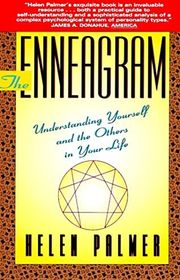
The Enneagram
For readers who want a detailed introduction centered on observing attention and recurring inner patterns. Palmer brings the Narrative Tradition into a substantial account, though the intuitive emphasis and extended profiles demand more reflection than a quick typing exercise.
What it's about
Palmer introduces the nine Enneagram types through their characteristic concerns, patterns of attention, and ways of relating. Drawing on the Narrative Tradition, she explores how self-observation can illuminate recurring responses in everyday life and relationships.

For readers who already know the basic types and want to reflect on relationships. Stabile gives interpersonal misunderstandings more attention than introductory profiles, though the framework should support conversation rather than become a way to assign motives to other people.
What it's about
Suzanne Stabile explores how the nine Enneagram types experience relationships and interpret the world. She examines motivations and interpersonal dynamics, offering ways to develop empathy and communicate more thoughtfully with partners, friends, family members, and colleagues.

Enneagram Transformations
Releases and Affirmations for Healing Your Personality Type
For readers already familiar with their chosen Enneagram type who want short reflective prompts. Riso’s releases and affirmations make this easy to revisit, though it offers little foundational explanation and should not be read as a promise of healing.
What it's about
Don Richard Riso presents releases and affirmations associated with each of the Enneagram's nine personality types. He uses the framework to encourage observation of habitual responses and offers practices intended to support personal reflection and emotional change.

For readers who want an informal, contemporary voice rather than a traditional personality manual. Paasch uses candor and humor to make reflection approachable, though the slang, profanity, and provocative style can distract from a systematic introduction.
What it's about
Hannah Paasch offers a contemporary interpretation of the Enneagram through personal stories and candid discussion of its nine types. The guide explores fears, motivations, and flaws, encouraging self-awareness and acceptance as foundations for a more authentic life.

For readers who want an extended account of types and levels of development within the Riso-Hudson approach. The detailed portraits support comparison across patterns, though the classifications can feel rigid if treated as fixed descriptions of actual people.
What it's about
Don Richard Riso and Russ Hudson describe the Enneagram's nine personality types and their different levels of development. They examine recurring motivations, behavior patterns and internal conflicts as a framework for self-observation and understanding relationships.

For readers seeking a sustained Christian interpretation of the Enneagram. Richard Rohr and Andreas Ebert connect type patterns with spiritual discernment, though the theological framing and dense discussion make it less suitable as a quick general introduction.
What it's about
Richard Rohr and Andreas Ebert examine the Enneagram through Christian thought. They explore personality types and their characteristic patterns, presenting self-understanding and discernment as tools for confronting illusions and developing personal, social, and spiritual strengths.

For visual learners who want a light first encounter with the nine types. Baron and Wagele’s cartoons and exercises lower the barrier to entry, though the brevity and humor give less room for nuance than the larger reference books.
What it's about
Renee Baron and Elizabeth Wagele introduce the nine Enneagram types through cartoons, exercises, and personality questions. The accessible guide explores characteristic motivations and desires, offering a starting point for self-understanding and personal growth.

For readers who know the basic framework and want more help with type distinctions and common misidentifications. Riso and Hudson provide a substantial companion reference, though the overlapping categories reward patient self-observation rather than a search for instant certainty.
What it's about
Don Richard Riso and Russ Hudson explain practical uses of the Enneagram for personal development and relationships. They discuss identifying personality types, common misidentifications and levels of development, with guidance for applying the framework to everyday experiences.

Reading People
How Seeing the World through the Lens of Personality Changes Everything
For readers who want to compare several personality frameworks before focusing on one. Bogel’s personal examples make the overview accessible, though the Enneagram receives only part of the book’s attention and none of the systems is explored exhaustively.
What it's about
Anne Bogel explains seven personality frameworks, including Myers-Briggs, StrengthsFinder, and the Enneagram. With research, stories, and practical examples, she shows how understanding personality can improve communication, relationships, work, parenting, and spiritual life.

The 9 Ways Of Working
For readers who want to reflect on work habits, leadership, and conflict through the nine types. Goldberg keeps workplace situations central, though the older examples and type-based interpretation cannot account for every organizational or personal factor.
What it's about
Michael Goldberg applies the Enneagram to workplace behavior, describing nine styles of working and their strengths and blind spots. He explores decision-making, leadership, conflict, and interactions with bosses, colleagues, and clients.

For readers who want Christian contemplation at the center of their Enneagram reading. Heuertz emphasizes spiritual practice more than everyday type identification, though readers seeking a secular introduction may find the religious framing too specific.
What it's about
Christopher Heuertz connects the Enneagram with Christian contemplative practice and spiritual growth. He explores the nine types as paths toward recognizing personal gifts, understanding self-defeating patterns, and deepening relationships with God and oneself.
Sources
- 1
10 Best Enneagram Books for Self-Discovery
nerdycreator.com
- 2
9 Best Enneagram Books You Should Read
millennial-grind.com
- 3
Enneagram Books
goodreads.com
- 4
Enneagram book reccs?
reddit.com
- 5
The Best Enneagram Books (No Matter How Much You Know!)
racheladawson.com
- 6
Resources
narrativeenneagram.org
- 7
Enneagram Books
enneagramalive.com








Edited by
Software engineer whose passion for tracking book recommendations from podcasts inspired the creation of MRB.
Lead investor at 3one4 Capital whose startup expertise and love for books helped shape MRB and its growth.
Comments
Spotted a missing book, a wrong order or a mistake? Tell us and we'll fix this page.
We're a reading guide, not the author or publisher, so we can't send books or pass on messages.