
15 Best Interior Design Books
The best interior design books, ranked by expert source recommendation counts, with notes for beginners, room planning, style, pattern, and inspiration.
Our take
Interior design involves both how a room looks and how it supports daily life. A useful book might help you plan furniture, understand proportion, choose colors, or recognize the style you keep returning to. Others are better for developing an eye through photographs than for answering practical questions about your own home. These books offer several ways into that work.
New York School of Interior Design and The Interior Design Handbook explain fundamentals, while Domino takes a room by room approach to decorating. Styled concentrates on arranging furniture and objects once the broader decisions are in place. Living with Pattern helps with prints and textures, and Habitat draws on natural materials and collected pieces. For historical context, The Decoration of Houses examines architectural order and The House in Good Taste presents an early personal approach to decoration.
Start with a practical guide if you have a room to solve, then use the more visually distinctive books to refine your preferences.
15 books · 5 sources · Last updated
As an Amazon Associate, we earn from qualifying purchases (at no extra cost to you).
How to choose from this list
Skip to the full rankingIf you're starting with the fundamentals: The Interior Design Handbook → New York School of Interior Design
If you want guidance room by room: Domino → Homebody
If your room needs better styling: Styled
If you want to combine prints: Living with Pattern
If you prefer natural, collected interiors: Habitat
If you want historical foundations: The Decoration of Houses → The House in Good Taste
The 15 books, ranked
Ranked by how many expert sources name each book. Ties go to the book more people recommend.

For beginners who want to understand why a room works before buying furniture or accessories. Its teaching based approach connects decoration with fundamental design decisions, though the breadth requires more sustained reading than a quick inspiration book.
What it's about
Ellen S. Fisher and Jen Renzi present a home decorating guide informed by the school's teaching. Explanations of color, furniture, room planning, and related design principles help readers understand how professional methods apply to everyday living spaces.
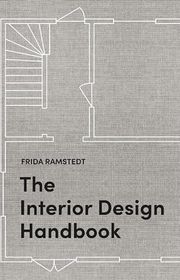
The Interior Design Handbook
For beginners who want to understand proportion, spacing, and the logic behind a comfortable room. Its explanatory diagrams favor reusable principles over shopping inspiration, though readers seeking pages of lavish interiors may find the presentation comparatively restrained.
What it's about
Frida Ramstedt explains the principles behind arranging and furnishing a home, including proportion, balance, lighting, and spacing. Drawings and practical guidance help readers understand why rooms work and apply those ideas to their own spaces.

For readers drawn to natural materials and rooms that feel collected over time. Its connection between outdoor influences and interior choices provides a coherent starting point, though the author’s distinct aesthetic may need adapting to other tastes.
What it's about
Lauren Liess brings the outdoors into interior design through natural textures, materials, and collected objects. Photographs and practical guidance explore combinations of vintage and contemporary pieces, helping readers understand her approach to creating layered, personal living spaces.

For readers whose room already functions but needs a more coherent visual arrangement. Its stylist’s approach makes furniture and object placement easier to assess, though it offers less help with renovation, construction, or technical space planning.
What it's about
Emily Henderson and Angelin Borsics offer a practical approach to styling interiors through ten steps. Photographs and examples focus on arranging furniture and everyday objects, helping readers identify their preferences and make rooms feel more cohesive and personal.

For home decorators who want practical guidance organized by room. Its combination of photographs and usable advice helps translate personal taste into decisions, though the examples reflect a particular editorial era rather than every style or household.
What it's about
Deborah Needleman, Sara Ruffin Costello, and Dara Caponigro offer a room-by-room decorating guide drawn from Domino's approach to interiors. Inspiring photographs, practical advice, and insights from designers help readers translate their tastes into a coherent, personal home.

For beginners who want to connect decorating choices with how their household actually lives. Its room based guidance and planning tools make reflection practical, though the author’s familiar rustic sensibility remains a strong influence on the examples.
What it's about
Joanna Gaines uses her farmhouse and other homes to explain how rooms can reflect the people living in them. Room-by-room guidance, photographs, and planning tools connect personal preferences with practical decisions about layout, furnishings, and decoration.

For readers comfortable choosing furniture but uncertain about mixing prints and textures. Its focused treatment makes pattern decisions more understandable, though readers needing a complete approach to room layouts will want a broader guide alongside it.
What it's about
Rebecca Atwood explains how pattern works within a home and how to combine it with confidence. Photographs and practical guidance explore prints, textures, color, and layering, including patterns already present in everyday architectural details and belongings.
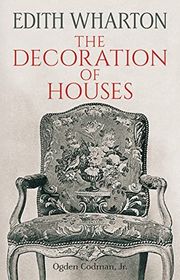
The Decoration of Houses
For readers who want to examine a room’s architectural proportions before considering decorative objects. Its disciplined argument sharpens attention to structure, though its classical preferences and wealthy nineteenth century domestic setting limit direct application to many homes.
What it's about
Edith Wharton and architect Ogden Codman Jr. examine interiors through architectural elements such as doors, windows, ceilings, and fireplaces. They argue for proportion and coherent room design, challenging decorative excess in the homes of their time.
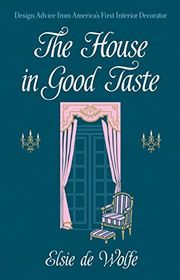
The House in Good Taste
For readers interested in the historical roots of comfortable, personal decorating. Its direct voice makes early twentieth century ideas approachable, though assumptions about domestic life, wealth, and taste require reading in their historical context.
What it's about
Elsie de Wolfe sets out her approach to furnishing and decorating a home through rooms, materials, color, and personal experience. Her early twentieth century guide links lighter, more comfortable interiors with the preferences of their inhabitants.

For readers whose main obstacle is household clutter rather than choosing a style. Its five step framework connects order with attractive rooms, though organization and routines receive more attention than spatial planning or architectural design.
What it's about
Nikki Boyd presents five steps for creating a home that combines order with style: assessing, decluttering, cleaning, organizing, and beautifying. Photographs and practical guidance connect useful storage and everyday routines with welcoming spaces for family and guests.

For readers who like traditional interiors but want stronger color and less predictable combinations. Its room examples make experimentation feel accessible, though adapting polished designer spaces to an ordinary budget requires selective borrowing rather than complete recreation.
What it's about
Corey Damen Jenkins brings bold color, architectural detail, and eclectic combinations to traditional interiors. Photographs and decorating guidance explore his approach through varied room styles, showing how classic influences can be adapted into lively, personal living spaces.

For readers who want to recognize influential designers and place decorating styles in context. Its many profiles widen visual reference points, though this historical survey offers less instruction for solving the layout problems of a particular room.
What it's about
Jennifer Boles profiles one hundred influential interior designers from the previous century. Photographs and commentary examine their distinctive approaches and lasting contributions, offering a broad view of the people and styles that helped shape modern decorating.

For readers who want permission to layer objects, textures, and periods in a richly decorated room. Its immersive photographs encourage experimentation, though the emphasis on atmosphere offers less systematic instruction than a foundational design handbook.
What it's about
Abigail Ahern explores a maximalist approach to interiors through photographs and decorating ideas. Rich textiles, adventurous color, and combinations of pieces from different periods illustrate how breaking familiar rules can produce layered rooms with individual character.

For readers who want a home that welcomes color, plants, and personal collections. Its expressive approach encourages creative confidence, though the exuberant visual style offers less appeal if you prefer restraint or a tightly controlled neutral palette.
What it's about
Justina Blakeney connects decorating with creativity, nature, travel, and her cultural heritage. Photographs and personal reflections explore exuberant color, pattern, plants, and collected objects, showing how interiors can express the experiences and interests of their inhabitants.

Modern Americana
For readers attracted to vintage American objects and informal, characterful interiors. Its familiar motifs make collecting feel approachable, though the particular cultural references and aesthetic provide a narrower direction than a general guide to interior design.
What it's about
Max Humphrey and Chase Reynolds Ewald explore an informal American decorating style built from familiar materials and vintage finds. Plaids, maps, bandanas, and other everyday references appear alongside photographs and practical ideas for creating distinctive interiors.
Sources
- 1
16 Interior Design Books You Must Read in 2026 |AND Academy
andacademy.com
- 2
27 Best Interior Design Books Of All Time | House Of Hipsters
houseofhipsters.com
- 3
Interior Design Books
goodreads.com
- 4
8 Essential Design Books Every Interiors Lover Should Read | Architectural Digest
architecturaldigest.com
- 5
looking for essential interior design book recommendations : r/InteriorDesignAdvice
reddit.com








Edited by
Software engineer whose passion for tracking book recommendations from podcasts inspired the creation of MRB.
Lead investor at 3one4 Capital whose startup expertise and love for books helped shape MRB and its growth.
Comments
Spotted a missing book, a wrong order or a mistake? Tell us and we'll fix this page.
We're a reading guide, not the author or publisher, so we can't send books or pass on messages.