
12 Best Elena Ferrante Books
The best Elena Ferrante books, ranked by how many expert sources recommend each one, with notes on who each suits and where new readers should begin.
Our take
Elena Ferrante writes about friendship, mothers and daughters, class, and the uneasy relationship between independence and belonging. Her narrators examine feelings they would rather conceal: envy, anger, shame, and affection can occupy the same sentence. Naples shapes much of the fiction, but the pressure of family and the wish to escape familiar roles travel with her characters elsewhere.
The four Neapolitan novels follow Elena and Lila from childhood through their adult lives. Read them in sequence, beginning with My Brilliant Friend, because the later volumes draw on years of shared history. The standalones offer shorter but often more concentrated encounters with similar concerns. The Days of Abandonment focuses on a marriage’s collapse, while The Lost Daughter explores the contradictions of motherhood. For readers interested in the writing itself, Frantumaglia collects letters and interviews, and In the Margins turns toward reading and literary craft. Start with My Brilliant Friend for the broadest introduction, or The Lost Daughter for a brief standalone.
12 books · 8 sources · Last updated
As an Amazon Associate, we earn from qualifying purchases (at no extra cost to you).
Reading Elena Ferrante in order? See all Elena Ferrante books in order
How to choose from this list
Skip to the full rankingIf you want to begin the Neapolitan sequence: My Brilliant Friend → The Story of a New Name → Those Who Leave and Those Who Stay
If you're ready to finish the quartet: The Story of the Lost Child
If you want a short standalone about motherhood: The Lost Daughter
If you want a concentrated account of marital breakdown: The Days of Abandonment
If you want her thoughts on writing: In the Margins → Frantumaglia
If you prefer brief nonfiction pieces: Incidental Inventions
The 12 books, ranked
Ranked by how many expert sources name each book. Ties go to the book more people recommend.
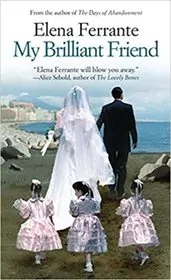
For newcomers who want the long friendship and social world at the center of her fiction. Childhood gives the relationship a clear starting point, but this is the opening of a sustained sequence rather than a self-contained story.
What it's about
In a poor neighborhood on the edge of Naples in the 1950s, studious Elena and fearless Lila become inseparable rivals and friends. As they move from childhood to adolescence, school, class, and desire begin to pull their paths apart.

For readers who want a short, concentrated encounter with rage and the loss of a familiar identity. Its unfiltered interior voice makes a forceful standalone introduction, but the distress and domestic cruelty offer little emotional distance.
What it's about
Olga's husband walks out after fifteen years of marriage, leaving her alone in Turin with their two children and a dog. In the weeks that follow she unravels, confronting rage, humiliation, and the terrifying question of who she is without him.

The Lost Daughter
For readers interested in the uncomfortable contradictions of motherhood and personal freedom. Its short length concentrates the moral uncertainty more tightly than the quartet, but the narrator’s actions invite discomfort rather than easy identification.
What it's about
On a solitary beach holiday, middle-aged Leda becomes fascinated by a young mother and her small daughter. When she impulsively takes the child's doll, the theft stirs up old guilt and forces her to face the cost of choosing herself.

For readers who already know the fiction and want reflections on how it is made. The letters and interviews connect recurring concerns across her career, but the fragmentary arrangement does not provide a conventional biography or continuous narrative.
What it's about
This collection of letters, interviews, and notes traces Ferrante's path as a writer, from her debut novels to the Neapolitan series. She reflects on anonymity, family, Naples, and the messy inner fragments that feed her fiction.

The Beach at Night
For readers curious about how her themes work in an illustrated tale told by a doll. Its brevity offers a distinct contrast to the novels, but the threatening atmosphere and language deserve checking before sharing it with children.
What it's about
Celina, a doll forgotten on the sand when her girl runs off with a new kitten, must survive a strange, threatening night by the sea. In this dark fairy tale, jealousy, abandonment, and courage are told from a toy's raw point of view.

For readers who want a standalone coming-of-age novel about class and adult hypocrisy. Its adolescent perspective offers an alternative to the quartet’s lifelong friendship, but the emotional harshness makes it an uneasy introduction to adulthood.
What it's about
In early 1990s Naples, twelve-year-old Giovanna overhears her father compare her to his despised sister Vittoria. Determined to meet this aunt, she crosses from her respectable middle-class world into rougher streets and discovers how messy and deceptive adulthood can be.
Also recommended by
2 people Diane Rehm recommended this book
Diane Rehm
"It’s the 1990s and we meet a teenager from a middle-class family, who learns the adults in her world are not to be trusted." - Diane Rehm
Diane Rehm's recommendation of this book  Ann Patchett recommended this book
Ann Patchett
Ann Patchett recommended this book on the Parnassus Books website.
Ann Patchett's recommendation of this book
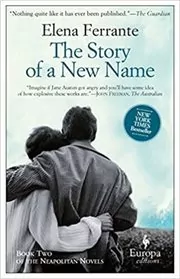
For readers continuing the quartet who want its rivalry and ambitions developed beyond childhood. The widening social world deepens the first volume’s conflicts, but the emotional entanglements depend on knowing the characters’ earlier history.
What it's about
Lila's early marriage to grocer Stefano quickly turns brutal, while Elena pursues her studies and a wider world beyond the neighborhood. Their friendship strains under jealousy, betrayal, and ambition as both women test how far they can escape their origins.
For readers ready to complete the quartet’s account of friendship, authorship, and belonging. The long view gives earlier tensions added weight, but it requires the preceding volumes and offers an emotionally demanding culmination rather than a reassuring farewell.
What it's about
Elena returns to Naples and builds a new life with her longtime love Nino, while Lila becomes a sharp-eyed businesswoman in their old neighborhood. A shocking loss and Lila's later disappearance bring their lifelong, volatile friendship to its final reckoning.
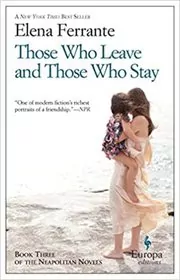
For readers continuing the quartet who want work, marriage, and political conflict given more space. Its adult perspectives broaden the friendship’s social stakes, but the larger cast and historical pressures make this a dense middle volume.
What it's about
Now a published writer and mother, Elena tries to build a life in Florence, while Lila fights exploitation in a factory and then in computing work back in Naples. The novel follows their diverging choices through marriage, politics, and the turmoil of the 1970s.

For readers drawn to unreliable memory and an unsettling mother-daughter relationship. The return to Naples gives the early novel a compact investigative shape, but its ambiguity and disturbing family material make it less immediately accessible than My Brilliant Friend.
What it's about
After her mother dies in suspicious circumstances, Delia returns to the Naples of her childhood to piece together what really happened. The search pulls her through murky memories, family secrets, and a fierce, unsettling portrait of mothers and daughters.
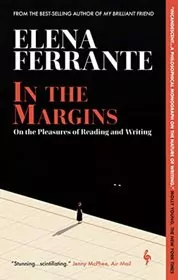
For readers interested in literary influence and the work of finding a voice. These focused essays provide a more continuous discussion of craft than the occasional columns, but they reward some interest in reading and writing themselves.
What it's about
In four linked lectures on reading and writing, Ferrante thinks through the tension between disciplined, orderly prose and a wilder voice that spills past the edges. She traces how women writers claim space on the page and shape her own work.
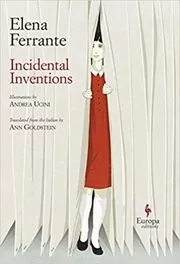
Incidental Inventions
For readers who want her reflections in brief, separate sittings rather than another sustained story. The short columns range beyond the novels’ immediate concerns, but their occasional form offers less development than the longer interviews and essays.
What it's about
These brief, personal essays grew out of a yearlong newspaper column in which Ferrante wrote each week on a suggested topic. She muses on writing, politics, friendship, jealousy, and everyday life, offering a quiet companion to her fierce novels.
Sources
- 1
Where to start with Elena Ferrante: a guide to her best books
thebookerprizes.com
- 2
The Best Elena Ferrante Books
fivebooks.com
- 3
Elena Ferrante
fantasticfiction.com
- 4
Best of Elena Ferrante
goodreads.com
- 5
Elena Ferrante
ilcs.sas.ac.uk
- 6
10 Elena Ferrante Books: A Complete Guide
earlybirdbooks.com
- 7
Interested in Elena Ferrante
reddit.com
- 8
Elena Ferrante Books
reddit.com








Edited by
Software engineer whose passion for tracking book recommendations from podcasts inspired the creation of MRB.
Lead investor at 3one4 Capital whose startup expertise and love for books helped shape MRB and its growth.
Comments
Spotted a missing book, a wrong order or a mistake? Tell us and we'll fix this page.
We're a reading guide, not the author or publisher, so we can't send books or pass on messages.