
9 Best English Civil War Books
The best English Civil War books, ranked by how many expert sources recommend each one, with notes on beginner histories, military campaigns, and radical ideas.
Our take
The English Civil War was more than a contest between a king and Parliament. Religion, taxation, local loyalties, and the difficulties of ruling England, Scotland, and Ireland all shaped the conflict. The fighting led to Charles I's execution, experiments with republican government, and eventually the Restoration. These books help readers approach that upheaval through politics, campaigns, personal experience, or the ideas that challenged established authority.
Start by deciding how much background you want. Blair Worden's The English Civil Wars gives a short account of the main sequence, while Austin Woolrych's Britain in Revolution offers a much larger narrative across the kingdoms. C. V. Wedgwood separates the developing crisis in The King's Peace from the first war in The King's War. Diane Purkiss brings individual lives forward, and Christopher Hill explores radical beliefs in The World Turned Upside Down. For most newcomers, begin with Worden, then choose a fuller narrative or a theme that caught your attention.
9 books · 6 sources · Last updated
As an Amazon Associate, we earn from qualifying purchases (at no extra cost to you).
How to choose from this list
Skip to the full rankingIf you're starting from zero: The English Civil Wars
If you want a broad narrative: The Blazing World → Britain in Revolution
If you want the road to war: The King's Peace → The King's War
If you want to investigate the causes: The Causes of the English Civil War
If you want personal experiences: The English Civil War
If you want radical religious and social ideas: The World Turned Upside Down
The 9 books, ranked
Ranked by how many expert sources name each book. Ties go to the book more people recommend.

For readers who want the war understood through lived experience rather than campaigns alone. Letters and personal accounts make belief, fear, and family disruption concrete, though the many individual stories can interrupt a clear chronological thread.
What it's about
Diane Purkiss tells the history of the English Civil War through the experiences of its participants. Letters, memoirs, ballads, plays, and other sources illuminate political leaders, soldiers, and ordinary women and men, following the conflict toward Charles I's execution.

For newcomers who want the political sequence before choosing a larger history. Its short scope makes the route from confrontation to Restoration manageable, but military detail and ordinary people's experiences receive less space than in the longer books.
What it's about
Blair Worden examines England's political upheaval from 1640 to 1660, including war between King and Parliament, Charles I's execution, Cromwell's rule, and the Restoration. The account explores the conflict's origins, participants' motivations, and its lasting consequences.
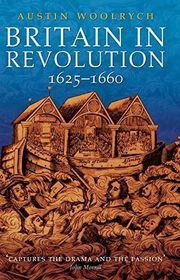
Britain in Revolution
For readers ready for a detailed account across England, Scotland, and Ireland. It keeps the wars and successive political settlements within one sustained narrative, but its length and density make a shorter overview useful preparation.
What it's about
Austin Woolrych traces the crisis from Charles I's accession to the Restoration, linking the histories of England, Scotland, and Ireland. The account connects war, religious conflict, changing institutions, and repeated attempts to construct a lasting political settlement.
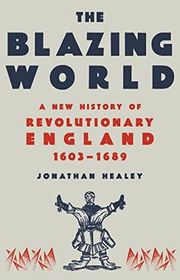
The Blazing World
For readers who want the civil wars within a readable account of the whole seventeenth century. Its range connects political shocks with everyday life, though the wider 1603–1689 span gives individual campaigns less concentrated attention.
What it's about
Jonathan Healey follows England from James I's accession through civil war, republic, Restoration, and the revolution of 1688. Political conflict is connected with religion, popular ideas, and social change across a century of repeated upheaval.
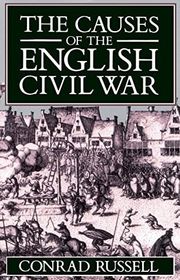
The Causes of the English Civil War
For readers who know the outline and want to examine why the conflict happened. Its focus on religion, royal finances, and multiple kingdoms challenges simple explanations, but the argument assumes more background than a beginner's narrative.
What it's about
Conrad Russell investigates the origins of the civil war through religious disagreement, constitutional tensions, royal revenue, and the problem of governing multiple kingdoms. The book weighs explanations for the breakdown rather than narrating the later military campaigns.
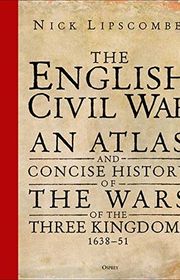
The English Civil War: An Atlas and Concise History of the Wars of the Three Kingdoms 1639–51
For readers who understand campaigns better through maps than through prose alone. Its coverage across the three kingdoms helps connect separate theaters, but the large reference format is less convenient for continuous reading than a conventional narrative.
What it's about
Nick Lipscombe maps the campaigns of the civil wars across England, Wales, Scotland, and Ireland. Accompanying explanations connect movements, battles, and regional events, showing how the conflict developed from the Bishops' Wars to the fighting of 1651.

For readers already familiar with the main events who want the period's radical religious and social ideas. It expands the story beyond kings and generals, but Hill's influential Marxist interpretation needs weighing alongside later scholarship.
What it's about
Christopher Hill investigates radical ideas that emerged during the English Revolution. Examining groups such as the Diggers, Ranters, and Levellers, he explores their challenges to property, religion, and authority, placing their beliefs within the period's social and intellectual upheaval.

For readers who want to understand how negotiation gave way to war. Wedgwood makes the developing crisis readable through people and decisions, though it ends before the fighting and reflects an older generation of historical scholarship.
What it's about
C. V. Wedgwood traces the years preceding the English Civil War, when Charles I's kingdoms became increasingly divided. Her narrative follows Scottish resistance, parliamentary opposition, Strafford's downfall, and unrest in Ireland through the experiences of people confronting the developing crisis.

For readers who want an extended narrative of the first war after learning its background. Political maneuvering and military events stay connected, but the story stops in 1647, before the regicide and the republic.
What it's about
C. V. Wedgwood narrates the conflict between Charles I and Parliament during the first English Civil War. Drawing on contemporary sources, she connects political maneuvering, military campaigns, religious divisions, and events in Scotland and Ireland through the King's captivity in 1647.
Sources
- 1
English Civil War articles, discussion, resources, maps, timelines and events | englishcivilwar.org: English Civil War books
englishcivilwar.org
- 2
Book recommendations on the English Civil War and/or Cromwell?
reddit.com
- 3
Best Books on the English Civil War: Five Essential Histories - Book in Light
bookinlight.com
- 4
Best Books on the English Civil War: Where to Start, from Worden to Healey (2026)
askhistoryai.com
- 5
Bibliographies: Civil Wars – The History of England
thehistoryofengland.co.uk
- 6
English Civil War reading recommendations
reddit.com







Edited by
Software engineer whose passion for tracking book recommendations from podcasts inspired the creation of MRB.
Lead investor at 3one4 Capital whose startup expertise and love for books helped shape MRB and its growth.
Comments
Spotted a missing book, a wrong order or a mistake? Tell us and we'll fix this page.
We're a reading guide, not the author or publisher, so we can't send books or pass on messages.