
6 Best Émile Zola Books
The best Émile Zola books, ranked by how many expert sources recommend each one, with notes to help you choose social novels, crime, and portraits of Paris.
Our take
Émile Zola’s fiction follows people whose ambitions and desires collide with money, work, family, and social pressure. His settings are part of the action: a coal mine, a railway, a laundry, or a department store can shape a life as strongly as another character. The novels often look closely at material hardship and can be bleak or violent.
Most of the books here belong to the Rougon-Macquart cycle, which follows branches of a family through Second Empire France. You can still choose an individual novel by its subject. Germinal offers a broad social canvas, La Bête Humaine a darker crime story, and Au Bonheur des Dames a view of commerce and changing working lives. Outside that cycle, Thérèse Raquin gives a shorter, more concentrated encounter with obsession and psychological tension.
Start with Au Bonheur des Dames for a comparatively hopeful entry, or Germinal if the larger social struggle is what interests you.
6 books · 7 sources · Last updated
As an Amazon Associate, we earn from qualifying purchases (at no extra cost to you).
Reading Émile Zola in order? See all Émile Zola books in order
How to choose from this list
Skip to the full rankingIf you want an approachable social novel: Au Bonheur des Dames
If you want labor and collective struggle: Germinal
If you want a shorter psychological novel: Thérèse Raquin
If you want crime and industrial life: La Bête Humaine
If you want contrasting lives in Paris: L'Assommoir → Nana
The 6 books, ranked
Ranked by how many expert sources name each book. Ties go to the book more people recommend.
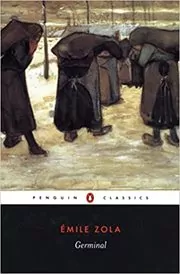
For readers who want Zola’s broadest treatment of labor, hardship, and collective struggle. Its social scale distinguishes it from the more intimate novels, though the length and sustained suffering make it a demanding first choice.
What it's about
Unemployed mechanic Étienne Lantier takes a job in a northern French coal mine and is drawn into the daily grind, dangers, and anger of the pit. When wages are cut, a bitter strike erupts, testing solidarity and exposing betrayal as hunger spreads.
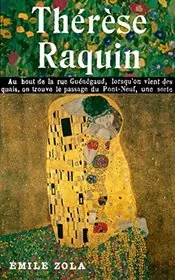
Therese Raquin
For readers who want a shorter introduction before attempting the larger social novels. Its concentrated psychological pressure makes it a different entry into Zola, though the claustrophobic setting and relentless darkness offer little relief.
What it's about
Thérèse and her lover Laurent conspire to murder her sickly husband, believing the crime will free them. Instead, their shared guilt festers into nightmares, resentment, and a suffocating bond that slowly destroys them both.
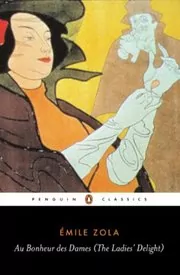
Au Bonheur des Dames
For readers interested in retail, work, and the changing shape of Paris. Its department-store world offers a more hopeful entry than the bleakest novels here, though detailed descriptions of merchandise and commercial life can slow the pace.
What it's about
Provincial newcomer Denise Baudu finds work in a vast Parisian department store owned by Octave Mouret. Its expansion transforms the surrounding shops and workers' lives, while Denise's independence challenges the owner's confidence in his power over women.
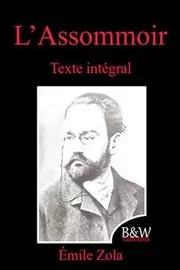
L'Assommoir
For readers ready for a close, harsh account of working-class insecurity. Its attention to everyday labor and social surroundings gives the novel particular force, though its sustained decline and period attitudes toward poverty make it emotionally heavy.
What it's about
Abandoned laundress Gervaise tries to build a secure life for her children in working-class Paris. Marriage to Coupeau offers hope, but an accident and the growing influence of alcohol threaten the stability she has struggled to achieve.

La Bête Humaine
For readers drawn to psychological crime fiction and the darker side of industrial progress. Its railway setting gives it a concentrated atmosphere of pressure, though the violence and theories about inherited impulses can be difficult to read.
What it's about
Set among railway workers in Second Empire France, this novel follows lives entangled in murder, jealousy and sexual obsession. Against the apparent progress of modern transport, violent impulses and inherited tendencies threaten the people caught in its conflicts.

For readers interested in celebrity, desire, and money among the wealthy. Its theatrical and fashionable Paris contrasts with the working environments elsewhere here, though the sexual politics and treatment of its heroine invite critical reading.
What it's about
Nana, a dazzling actress from humble origins, turns her beauty into a weapon against the men who desire her. As she moves through theatres, racecourses, and salons, fortunes evaporate and reputations crumble, mirroring the decadence of the Second Empire.
Sources
- 1
The greatest books written by Émile Zola
thegreatestbooks.org
- 2
The best of Émile Zola
theguardian.com
- 3
Recommended Reading Order – The Books of Émile Zola
readingzola.wordpress.com
- 4
Top 15 des meilleurs livres d'Émile Zola
senscritique.com
- 5
Les Rougon-Macquart ordre de lecture : les 20 romans de Zola
quelle-lecture.fr
- 6
Where to start with Zola
reddit.com
- 7
Is Germinal the best place to start with Emile Zola?
reddit.com





Edited by
Software engineer whose passion for tracking book recommendations from podcasts inspired the creation of MRB.
Lead investor at 3one4 Capital whose startup expertise and love for books helped shape MRB and its growth.
Comments
Spotted a missing book, a wrong order or a mistake? Tell us and we'll fix this page.
We're a reading guide, not the author or publisher, so we can't send books or pass on messages.