
Émile Zola Books in Order
Explore Émile Zola's books in order with reading guides, short summaries, series backgrounds, and tips on where to start based on the stories you enjoy.
Last updated:
As an Amazon Associate, we earn from qualifying purchases (at no extra cost to you).
Émile Zola books in publication order
57 books

Claude's Confession
by Émile Zola
1865
An idealistic young provincial in Paris falls in love with his troubled neighbor, a prostitute, and tries to save her from the life that repels him. As passion deepens, both are drawn into the very degradation he hoped to escape.

The Mysteries of Marseilles
by Émile Zola
1867
In turbulent Marseilles, a young lawyer fights to save his aristocratic brother and the woman he loves from family pride, political intrigue, and scandal. Smugglers, riots, and shipwrecks turn this early novel into a fast moving melodrama.
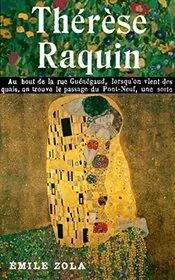
Therese Raquin
by Émile Zola
1867
Thérèse and her lover Laurent conspire to murder her sickly husband, believing the crime will free them. Instead, their shared guilt festers into nightmares, resentment, and a suffocating bond that slowly destroys them both.

Madeleine Ferat
by Émile Zola
1868
Madeleine believes she has left a painful past behind when she marries the gentle Guillaume, but the memory of her first lover, Jacques, haunts her new life. Zola turns their triangle into a study of obsession, jealousy, and fatal attachment.
The Fortune of the Rougons
by Émile Zola
1870
Opening the Rougon Macquart saga, this novel follows a provincial family during the coup of 1851. While Pierre and Félicité Rougon scheme to profit from the new regime, young lovers Silvère and Miette march with doomed republicans toward defeat.
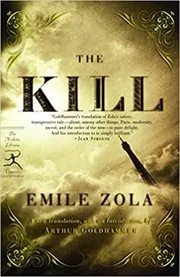
The Kill / The Rush for the Spoil
by Émile Zola
1872
Set amid the glitter of Haussmann’s rebuilding of Paris, this story tracks ruthless speculator Saccard and his bored wife Renée through a world of easy credit, luxury, and carefully hidden scandal. Money, property, and desire collide with ruinous force.
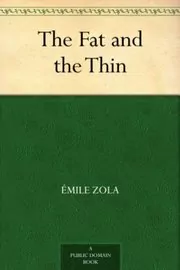
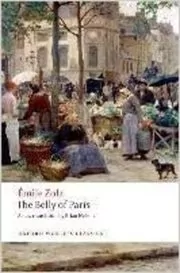
The Belly of Paris / The Fat and the Thin
by Émile Zola
1873
An escaped political prisoner finds work among the stallholders of Les Halles, Paris’s vast food market. Surrounded by abundance, gossip, and petty rivalries, he discovers how jealousy and fear can be as dangerous as hunger or police informers.
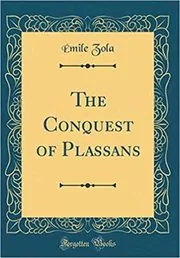
The Conquest of Plassans
by Émile Zola
1874
When the reserved Abbé Faujas rents rooms from the respectable Mouret family, his quiet presence slowly reshapes both household and town. Behind sermons and social visits lies a calculated political campaign that exposes the fault lines of provincial France.
Young priest Serge Mouret pushes himself toward absolute purity in a remote parish until illness and amnesia break the pattern. In the overgrown garden of Paradou he awakens to love with Albine and must choose between nature’s pull and his vows.
His Excellency Eugene Rougon
by Émile Zola
1876
Eugène Rougon, master of political patronage under the Second Empire, rises and falls on the strength of favors granted and loyalties betrayed. Zola takes readers into ministries, salons, and back rooms where power is traded like a private fortune.
A Love Episode / A Page of Love / A Love Story
by Émile Zola
1877
Widowed Hélène Grandjean lives quietly in Passy with her fragile daughter Jeanne until a crisis brings their neighbor, Dr Deberle, into their lives. A sudden, overwhelming passion collides with fierce maternal love, with tragic consequences for both.

Dead Men Tell No Tales
by Émile Zola
1877
This short collection brings together some of Zola’s most vivid shorter fiction, including the title tale of betrayal and revenge. Ordinary lives tip into scandal, farce, and tragedy, revealing the same sharp eye he brings to his longer novels.
The Drinking Den / The Dram Shop / L'Assommoir / The Gin Palace
by Émile Zola
1877
Laundress Gervaise dreams of a modest, secure life for her family in working class Paris. As her husband sinks into idleness and alcohol, debt and humiliation mount, and Zola follows her slow descent into poverty with unflinching clarity.
Nana
by Émile Zola
1880
Nana, a dazzling actress from humble origins, turns her beauty into a weapon against the men who desire her. As she moves through theatres, racecourses, and salons, fortunes evaporate and reputations crumble, mirroring the decadence of the Second Empire.

The Experimental Novel
by Émile Zola
1880
In this brief work Zola explains his idea of the experimental novel, borrowing methods from science to argue that fiction should test how heredity and environment shape human lives. It is a concise guide to the thinking behind his naturalism.

The Flood
by Émile Zola
1880
Seventy year old Louis Roubien watches the Garonne swell on a bright May day, then race toward his farm as a devastating flood. In a few hours of rising water, a lifetime’s work and the family he loves are put at risk.
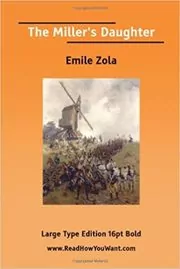
The Miller's Daughter
by Émile Zola
1880
In a peaceful rural village, a miller’s daughter sees her quiet life shattered when invading soldiers arrive. A brief sense of happiness and safety is swept away, and war’s brutality reaches straight into the heart of an ordinary home.
Restless House / Lesson in Love
by Émile Zola
1882
Set inside a respectable new apartment block, this novel follows ambitious Octave Mouret as he courts business opportunities and other men’s wives. Behind polished stairways and closed doors, Zola dissects the hypocrisies of the Parisian middle class.
The Bright Side of Life / How Jolly Life Is / Zest for Life
by Émile Zola
1883
Pauline Quenu, a generous orphan, goes to live with relatives on the Normandy coast and quickly becomes the emotional center of the household. As illness, debt, and disappointment close in, her stubborn hopefulness clashes with the family’s growing despair.
The Ladies' Paradise / Lesson in Love
by Émile Zola
1883
Orphaned Denise Baudu arrives in Paris to work at the vast department store called the Ladies’ Paradise. As she endures exhausting hours, fierce rivalries, and hard lessons in selling, her quiet resilience begins to unsettle both colleagues and the store’s owner.
Germinal
by Émile Zola
1885
Unemployed mechanic Étienne Lantier takes a job in a northern French coal mine and is drawn into the daily grind, dangers, and anger of the pit. When wages are cut, a bitter strike erupts, testing solidarity and exposing betrayal as hunger spreads.
The Masterpiece / His Masterpiece
by Émile Zola
1886
Painter Claude Lantier dreams of creating a canvas that will change art, but each attempt at a masterpiece slips away from him. Through his struggles and his friendship with novelist Pierre Sandoz, Zola explores ambition, failure, and the cost of innovation.
The Soil / Earth
by Émile Zola
1887
On the wide plains of the Beauce, a peasant clan slowly tears itself apart over land and inheritance. Old age, greed, and resentment turn a simple farm into a battleground, and Zola offers a stark portrait of rural life at its most harsh.
The Dream
by Émile Zola
1888
Orphan Angélique is taken in by cathedral embroiderers and grows up on legends of saints and princesses. When she falls in love with a young nobleman, her longing for a pure, miraculous happiness collides with the realities of class and frail health.
The Beast in Man / The Beast Within
by Émile Zola
1890
Railwayman Jacques Lantier is haunted by violent impulses he barely understands. Along the line between Paris and Le Havre, jealousy, murder, and accident intertwine, and the trains themselves seem to carry the dark, unstoppable force of the beast in man.
Money
by Émile Zola
1891
Ruined speculator Aristide Saccard plots a return to glory by founding a grand new bank to finance ambitious projects in the East. As shares soar and rumors race through the Paris Bourse, investors and politicians are swept up in a frenzy of greed.
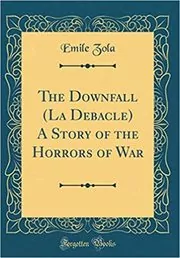
The Downfall / The Debacle
by Émile Zola
1892
Through farmer turned soldier Jean Macquart and his friend Maurice, this novel plunges into the chaos of the Franco Prussian War, the defeat at Sedan, and the bloody Paris Commune. Battlefield horror and political breakdown combine in a sweeping war panorama.
Doctor Pascal
by Émile Zola
1893
In the last Rougon Macquart novel, Dr Pascal devotes himself to tracing his family’s tangled history to show how heredity shapes their lives. His work collides with the faith of his devout mother and the love he shares with his young niece Clotilde.

The Heirs of Rabourdin
by Émile Zola
1894
In this comic play, the apparently dying Monsieur Rabourdin is surrounded by greedy relatives jostling to inherit his fortune. His sharp witted servant Charlotte turns their schemes against them, exposing vanity and selfishness in a flurry of tricks.
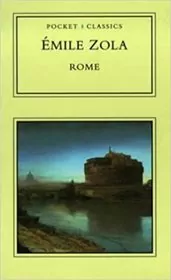
Rome
by Émile Zola
1896
Disillusioned priest Pierre Froment travels to Rome to defend his controversial book and plead for a more compassionate Church. As he moves through palaces, basilicas, and slums, he confronts intrigue, doctrinal battles, and his own shifting faith.
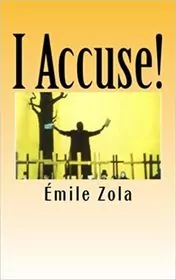
I Accuse!
by Émile Zola
1898
Centered on Zola’s famous open letter written at the height of the Dreyfus Affair, this volume shows how he used clear, forceful prose to accuse army and government officials of injustice and antisemitism, and to force a reopened case.
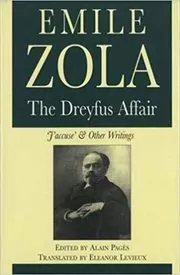
The Dreyfus Affair
by Émile Zola
1898
A companion to Zola’s fiction, this collection gathers key writings on the Dreyfus Affair, from courtroom pieces to later reflections. It traces how a wrongful conviction became a national crisis and how public opinion slowly shifted toward justice.

Fruitfulness
by Émile Zola
1899
Mathieu and Marianne Froment choose to raise a large, lively family despite financial strain and fashionable talk of limiting births. Their story, entwined with that of friends who make other choices, becomes Zola’s broad plea for renewal and social responsibility.
Travail: Labor
by Émile Zola
1901
This edition of Zola’s novel about a utopian workers’ community follows an engineer’s attempt to rebuild a factory town on principles of solidarity instead of exploitation, charting both painful setbacks and fragile victories.
Work
by Émile Zola
1901
An idealistic engineer dreams of transforming a grim ironworks into a cooperative community where workers share ownership, housing, and education. As he struggles against financiers, clergy, and ingrained habits, Zola imagines what a more just world of work might look like.
Truth
by Émile Zola
1903
Schoolteacher Marc Froment is drawn into a provincial scandal when a Jewish colleague is falsely accused of a child’s murder. As trials, pamphlets, and sermons divide the town, he fights for secular education and the slow, stubborn advance of truth.
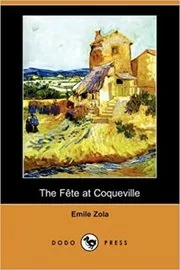
The Fête at Coqueville
by Émile Zola
1907
In a remote Norman fishing village split by an old family feud, a wrecked ship sends barrels of fine liquor washing ashore. As everyone drinks, quarrels dissolve into a riotous village wide celebration that briefly turns hardship into carnival.

Lourdes
by Émile Zola
1914
On a crowded white train of sick pilgrims bound for Lourdes, Abbé Pierre Froment tends his childhood friend Marie, paralyzed and near despair. Over five days he witnesses crippling pain, ecstatic hope, and the uneasy border between faith and illusion.

Collected Works of Emile Zola
by Émile Zola
1938
A large omnibus edition bringing together many of Zola’s novels, stories, and essays in one set, suited to readers who want a long term companion volume rather than tracking down individual titles from across his wide career.
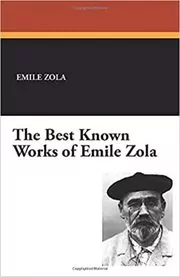
The Best Known Works of Emile Zola
by Émile Zola
1941
An omnibus volume bringing several of Zola’s most famous works together in one place, ideal for readers who want a single book that spans his early psychological tales, major Rougon Macquart novels, and key shorter pieces.
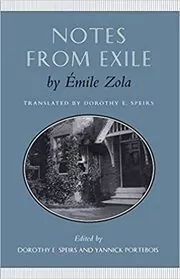
Notes from Exile
by Émile Zola
2003
Written during Zola’s year of self imposed exile in England after I Accuse, these pages mix travel impressions with reflections on justice, homesickness, and the strange calm of life lived just outside the political storm he helped unleash.
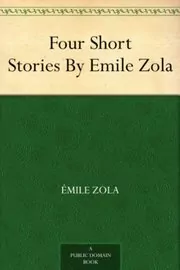
Four Short Stories By Emile Zola
by Émile Zola
2006
A compact sampler of Zola’s short fiction, this volume gathers four tales that range from domestic drama to wartime sketch, each offering a concentrated glimpse of his eye for telling detail and everyday tragedy.

Stories for Ninon
by Émile Zola
2010
Zola’s first collection of stories, written for an imaginary listener named Ninon, blends gentle fantasy with sharp observation. Children, dreamers, and misfits on the margins of Paris hint at themes he would later expand in his major novels.
The Death Of Olivier Becaille
by Émile Zola
2010
Olivier Bécaille appears to die after a brief illness, yet his mind remains awake while his body lies rigid and voiceless. As he is prepared for burial, the story follows his mounting horror and desperate hope from inside the coffin.
Looking at Manet
by Émile Zola
2013
This brief volume gathers Zola’s most important essays on painter Édouard Manet, from an early defense of his scandalous canvases to a moving tribute after his death, offering a lively window onto modern art’s early battles.
Paris
by Émile Zola
2014
Back in Paris, Abbé Pierre Froment faces a city seething with poverty, luxury, and political unrest. As anarchists plot, clerics maneuver, and charities struggle, he tries to imagine a future France built on social justice rather than miracles.
Three Short Stories
by Émile Zola
2015
This slim volume presents three of Zola’s shorter works, each circling a different corner of everyday life. Love, misfortune, and moral compromise play out quickly but vividly, making it an easy way to sample his naturalist style.

A Mad Love
by Émile Zola
2017
A brief, intense tale of infatuation that overturns an otherwise ordinary life. Zola traces how a sudden, mad passion upends duty, reputation, and common sense, asking how far someone might go when reason gives way to desire.
Four Short Stories
by Émile Zola
2017
Another four story collection, this book gathers compact narratives of war, work, and domestic life. Each sketch uses a tight frame to explore a single crisis, whether on a battlefield, in a workshop, or at a kitchen table.
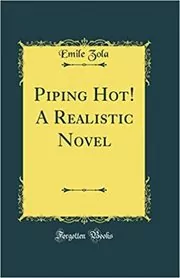
Piping Hot!
by Émile Zola
2017
Centered on a fashionable Paris apartment house, this novel follows newcomer Octave Mouret as he discovers the secrets, affairs, and petty wars of his neighbors. Respectable façades hide simmering scandals, turning the building into a human stew pot.
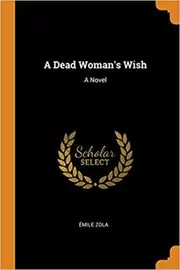
A Dead Woman's Wish
by Émile Zola
2018
A dark novella built around a woman’s last request and the havoc it wreaks on those she leaves behind. Inheritance, memory, and buried secrets all come to the surface as survivors struggle with what loyalty really means.
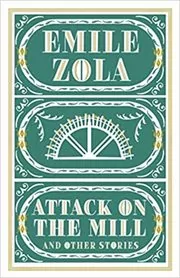
Attack on the Mill and Other Stories
by Émile Zola
2018
This collection assembles some of Zola’s strongest short fiction, including the title story of a French village mill overrun during war. From barracks and battlefields to city rooms and country roads, the pieces capture intense moments in ordinary lives.

Fays of the Sea
by Émile Zola
2021
An anthology of nineteenth century fairy tale inspired fantasies, this volume includes Zola alongside other French writers. Enchanted islands, capricious spirits, and modern settings mingle, offering a lighter, imaginative counterpoint to his naturalist novels.

For a Night of Love
by Émile Zola
2025
Shy clerk Julien secretly adores the beautiful Thérèse across the square, pouring his feelings into nighttime music. When she finally summons him, it is to help conceal a violent crime, binding his longed for love to a nightmare he never imagined.
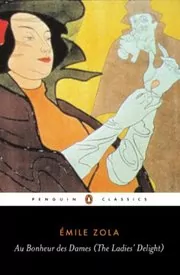
Au Bonheur des Dames
by Émile Zola
Provincial newcomer Denise Baudu finds work in a vast Parisian department store owned by Octave Mouret. Its expansion transforms the surrounding shops and workers' lives, while Denise's independence challenges the owner's confidence in his power over women.
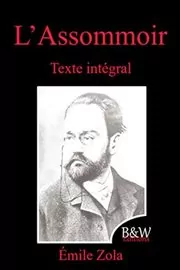
L'Assommoir
by Émile Zola
Abandoned laundress Gervaise tries to build a secure life for her children in working-class Paris. Marriage to Coupeau offers hope, but an accident and the growing influence of alcohol threaten the stability she has struggled to achieve.

La Bête Humaine
by Émile Zola
Set among railway workers in Second Empire France, this novel follows lives entangled in murder, jealousy and sexual obsession. Against the apparent progress of modern transport, violent impulses and inherited tendencies threaten the people caught in its conflicts.
Where to start with Émile Zola
If you want a powerful standalone to start with: Therese Raquin → Germinal
If you prefer to follow the Rougon Macquart family saga: The Fortune of the Rougons → The Drinking Den / The Dram Shop / L'Assommoir / The Gin Palace → Nana → Germinal
If you like big social and political stories: Germinal → Money → The Downfall / The Debacle → Truth
If you are drawn to questions of faith and doubt: Lourdes → Rome → Paris
If you want short pieces and ideas in one place: Stories for Ninon → Attack on the Mill and Other Stories → Dead Men Tell No Tales → The Experimental Novel
Émile Zola sub-series and character series
Four Social Romances books in order
Explore this seriesFour Social Romances books in chronological order
Rougon Macquart books in order
Explore this series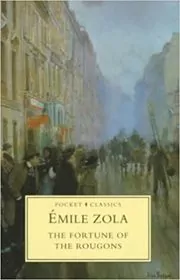
The Sin of Father Mouret / The Sinful Priest / Abbe Mouret's Transgression
by Émile Zola
1875Rougon Macquart, Book 5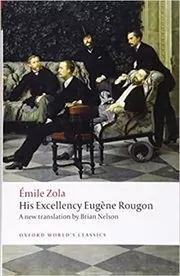

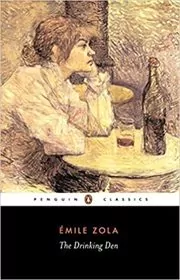
The Drinking Den / The Dram Shop / L'Assommoir / The Gin Palace
by Émile Zola
1877Rougon Macquart, Book 7
The Bright Side of Life / How Jolly Life Is / Zest for Life
by Émile Zola
1883Rougon Macquart, Book 12


Rougon Macquart books in chronological order
The Sin of Father Mouret / The Sinful Priest / Abbe Mouret's Transgression
by Émile Zola
1875Rougon Macquart, Book 5The Drinking Den / The Dram Shop / L'Assommoir / The Gin Palace
by Émile Zola
1877Rougon Macquart, Book 7The Bright Side of Life / How Jolly Life Is / Zest for Life
by Émile Zola
1883Rougon Macquart, Book 12
Three Cities books in order
Explore this seriesÉmile Zola collections, short stories, and related book types
Short Stories/Novellas
Collections
Non-Fiction
Standalone Émile Zola books
Author bio
Émile Zola was born in Paris in 1840, the only child of an Italian engineer, François Zola, and a French mother, Émilie Aubert. When he was three the family moved south to Aix en Provence, where his father planned and built a dam that still bears the Zola name. The project did not make them rich, and after François died in 1847 Zola and his mother lived on a small pension.
Aix gave him two things that never quite left him: a feel for provincial life and a close friendship with the young painter Paul Cézanne. At school Zola was not a star pupil. His mother dreamed of a law career for him, but he twice failed the baccalauréat. In 1858 they moved back to Paris, and for a while he scraped by as a low paid clerk in a shipping firm before finding steadier work in the sales department of the publisher Hachette.
Publishing turned out to be a better education than law school. Zola wrote advertising copy, book blurbs, and then newspaper articles. He reviewed art exhibitions and new novels, defended unfashionable painters, and worked out his own ideas about realism and the role of the modern writer. His early fiction did not sell well, but in 1865 Claude's Confession and in 1867 Thérèse Raquin announced a shift to darker, more psychologically exact stories that drew real attention.
From there he set himself an enormous task. In his late twenties Zola sketched a twenty volume series about one extended family living under the Second Empire. He wanted to show how heredity and environment shaped character, and how politics, industry, and cities changed France. Between 1871 and 1893 he wrote the Rougon Macquart cycle, starting with The Fortune of the Rougons and closing with Doctor Pascal.
Within that framework he produced some of his best known novels. L'Assommoir (often translated as The Drinking Den) follows Gervaise Macquart’s slide into poverty and alcoholism in working class Paris. Nana turns a courtesan into a symbol of the regime’s corruption. Germinal plunges into a miners’ strike in the north, and is still read as one of the great novels about industrial labor. The Ladies' Paradise explores the rise of the department store and the new world of consumer capitalism.
Zola did not limit himself to one series. Later in life he wrote the Three Cities trilogy (Lourdes, Rome, Paris), which tracks a priest’s crisis of faith, and then the Four Gospels novels (Fruitfulness, Work, Truth, with a planned Justice left unfinished), where he tried to imagine more hopeful social futures. Alongside the fiction he produced criticism, including The Experimental Novel, where he argued that novelists should borrow the methods of science and observe cause and effect in human lives.
His most dramatic public act came outside literature. In 1898, convinced that the Jewish army officer Alfred Dreyfus had been wrongly convicted of treason, Zola published the open letter now known simply as J'accuse. The piece accused army and government officials of a cover up and helped turn a legal case into a national reckoning over justice and antisemitism. For this he was tried for libel and spent nearly a year in self imposed exile in England before returning to France.
Zola married Éléonore Alexandrine Meley in 1870, and their marriage lasted until his death. In the late 1880s he also formed a lasting relationship with Jeanne Rozerot, with whom he had two children, Denise and Jacques. By all accounts he was a devoted, if complicated, family man who balanced long hours at his desk with cycling, photography, and time in the countryside.
He died in Paris in 1902 from carbon monoxide poisoning caused by a blocked chimney. Rumors of foul play have never been fully proven, but the shock of his death was real. A few years later his remains were moved to the Panthéon, to rest near Victor Hugo and Alexandre Dumas. Today Zola is remembered not just for the scale of his fiction, but for the stubborn way he used his pen to look at the hard parts of modern life and to argue, again and again, that truth matters.








Edited by
Software engineer whose passion for tracking book recommendations from podcasts inspired the creation of MRB.
Lead investor at 3one4 Capital whose startup expertise and love for books helped shape MRB and its growth.
Comments
Did we miss something? Have feedback?
Help us improve this page by sharing your thoughts