
14 Best Bread Making Books
The best bread making books, ranked by how many expert sources recommend each one, with notes for beginners, sourdough bakers, and readers ready for more technique.
Our take
Making bread involves more than choosing a recipe. Flour, fermentation, handling, and temperature all change how dough behaves, and good books help you notice those changes. Some teach a few basic doughs, some develop one sourdough method through repetition, and others explain the science or collect formulas for experienced bakers. There are also separate approaches for whole grains and gluten-free doughs.
Dough offers a focused introduction through adaptable foundations, while The Bread Baker’s Apprentice develops a broader set of techniques and bread styles. Flour Water Salt Yeast emphasizes artisan methods adapted to a home oven, and Tartine Bread rewards working repeatedly with naturally leavened dough. For deeper explanation, Bread Science explores what happens during the process, while Jeffrey Hamelman’s Bread provides a more technical reference. Choose the book whose timetable and learning style fit your kitchen, then bake a few recipes more than once before moving on.
14 books · 10 sources · Last updated
As an Amazon Associate, we earn from qualifying purchases (at no extra cost to you).
How to choose from this list
Skip to the full rankingIf you are baking your first loaves: Brilliant Bread → Dough
If you want a broad foundation: The Bread Baker’s Apprentice → Bread
If you want to explore sourdough: Tartine Bread → The Perfect Loaf
If you want to understand dough behavior: Bread Science
If you want to work with whole grains: Peter Reinhart's Whole Grain Breads
If you need gluten-free recipes: Gluten-Free Artisan Bread in Five Minutes a Day
The 14 books, ranked
Ranked by how many expert sources name each book. Ties go to the book more people recommend.

For home bakers who want to understand fermentation while making crusty loaves and pizza. Its detailed schedules and explanations build confidence, though the starter quantities and time commitments can feel substantial in a small household.
What it's about
Forkish teaches artisan bread and pizza baking with recipes adapted to a home oven. Straight doughs, preferments, and naturally leavened breads introduce different schedules and techniques, with explanations of baker's percentages, dough ratios, equipment, and maintaining a levain starter.

Tartine Bread
For bakers who want to develop an intuitive feel for naturally leavened dough. Its photographs and variations on a central method encourage repeated practice, though the long schedules and sourdough emphasis are narrower than a general bread reference.
What it's about
Robertson teaches the bread-making methods developed at San Francisco's Tartine Bakery through detailed instructions and step-by-step photographs. Variations on a master recipe introduce different loaves, while sweet and savory dishes show how to use bread after its first day.

The Bread Baker's Apprentice
For readers who want a broad foundation rather than one signature loaf. Its staged explanation of bread making links technique with varied formulas, though the textbook-like detail asks for more attention than a quick recipe collection.
What it's about
Reinhart teaches twelve stages of bread making through clear instructions, photographs, and master formulas. Classic breads, bagels, and pizza dough connect practical technique with baking science and history, while this revised edition updates methods and adds measurement and temperature conversions.

For readers who want to examine industrial bread as well as learn to bake. Its combination of argument and practical craft offers a different purpose from a recipe manual, though the polemical sections may distract recipe-focused readers.
What it's about
Whitley examines modern commercial bread and explains his approach to making bread at home. Drawing on experience as an organic baker, he combines criticism of industrial methods with practical recipes and techniques that reconnect readers with the craft of baking.

The Bread Bible
For detail-oriented home bakers who want clear explanations alongside a varied recipe collection. Its notes on ingredients, measurements, and technique support careful troubleshooting, though the precision and lengthy instructions may slow an impatient beginner.
What it's about
Rose Levy Beranbaum combines bread recipes with explanations of ingredients, equipment, and baking chemistry. Yeast breads, quick breads, flatbreads, and brioche accompany weight and volume measurements, with notes clarifying the techniques behind fermentation, texture, and successful preparation.
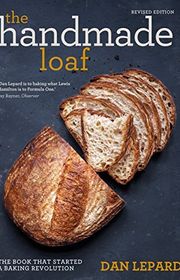
The Handmade Loaf
For readers who want bread techniques connected with the people and traditions behind them. Its European recipes and photographs offer a more exploratory experience than a structured course, though ingredients and methods vary enough to require flexibility.
What it's about
Dan Lepard combines bread recipes with photographs and encounters from his travels around Europe. Home and professional baking traditions inform his approach to fermentation, ingredients, and working dough by hand, giving readers a varied collection to explore.

For experienced home bakers and professionals who want a technical reference across many bread styles. Its formulas and process explanations offer considerable depth, though beginners may find the professional perspective and detail less approachable.
What it's about
Hamelman explains bread-making techniques through detailed recipes, drawings, and photographs for professionals and experienced home bakers. This edition covers a wide range of breads, including sourdough, rye, brioche, flatbreads, and French loaves, with step-by-step guidance throughout.

For bakers who want to know why a dough behaves as it does. Its explanations of fermentation, gluten, and handling help connect observations with causes, though it works better as a learning companion than a large recipe collection.
What it's about
Buehler connects the chemistry of bread with the practical steps of making it. Fermentation, yeast behavior, gluten, and gas retention accompany guidance on preferments, sourdough starters, mixing, folding, shaping, and baking, supported by photographs and illustrations.
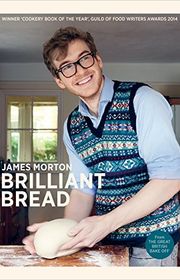
Brilliant Bread
For beginners who want bread making explained in an informal, encouraging voice. Its attention to basic ingredients and handling provides a gentler entry than the technical references, though more experienced bakers may want greater specialist depth.
What it's about
James Morton introduces bread making through explanations of ingredients, dough preparation, shaping, and baking. The book combines practical guidance with recipes intended to help home bakers understand the process and develop confidence beyond following instructions.

For beginners who want to build confidence through a small set of adaptable doughs. Its hands-on approach makes technique central, though learning the handling method from a book can require repeated practice or a visual demonstration.
What it's about
Bertinet builds a range of bread recipes from five basic doughs: white, olive, brown, rye, and sweet. His practical approach shows how these foundations become breads such as fougasse and ciabatta, as well as flavored loaves and doughnuts.

For bakers who want better results with whole grains rather than simply substituting flour. Its delayed-fermentation methods address flavor and texture in detail, though the advance preparation requires more planning than a same-day recipe.
What it's about
Reinhart develops whole-grain baking through fifty-five recipes and a detailed introduction to delayed fermentation. Step-by-step photographs and baking science support sandwich and hearth breads, specialty loaves, bagels, and crackers made with wheat and a range of other grains.
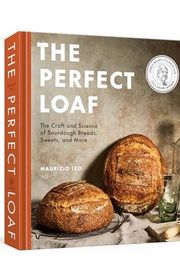
For sourdough bakers who want detailed instruction and help understanding what went wrong. Its combination of technique and varied naturally leavened recipes supports deeper practice, though the level of detail requires time and attention.
What it's about
Maurizio Leo explains the fundamentals of sourdough, from managing a starter to fermentation and baking. Detailed techniques and recipes cover loaves, pizza, and sweet baking, helping readers apply naturally leavened methods across different kinds of dough.

Bread Revolution
World-Class Baking with Sprouted and Whole Grains, Heirloom Flours, and Fresh Techniques
For bakers curious about sprouted grains, unusual flours, and newer methods. Its ingredient experiments offer a useful extension beyond standard wheat loaves, though sourcing specialty flours and learning unfamiliar techniques can take extra effort.
What it's about
Reinhart explores baking with sprouted flours, whole and ancient grains, and alternative ingredients. Fifty recipes and formulas introduce new methods alongside guidance on soakers, preferments, and sourdough starters, including allergy-friendly and gluten-free approaches.

Gluten-Free Artisan Bread in Five Minutes a Day
The Baking Revolution Continues with 90 New, Delicious and Easy Recipes Made with Gluten-Free Flours
For bakers who specifically need gluten-free loaves and prefer preparing dough ahead. Its batch-and-store method differs from the wheat-based artisan guides, though the flour blends require attention and five minutes refers to active preparation.
What it's about
Hertzberg and François adapt their stored-dough method to gluten-free bread, mixing batches ahead for later baking. Ninety recipes and guidance on flour blends show how to make varied breads without wheat, barley, or rye, with limited active preparation for basic loaves.
Sources
- 1
Bread Making Books: 7 Best Picks For UK Home Bakers (2026)
bookshelf360.co.uk
- 2
The Best Bread Baking Books That Should Be In Every Home Baker’s Library
thebreadguide.com
- 3
Bread Books
goodreads.com
- 4
What is your favorite intermediate level bread cookbook?
reddit.com
- 5
what’s the best book I can buy to learn how to bake bread? the bread bible, so to speak
reddit.com
- 6
100 Best Bread Baking Books of All Time
shortform.com
- 7
12 Best Bread Baking Books For 2024
busbysbakery.com
- 8
Recommended Reading
whitecottagebakery.com
- 9
Best Books for Baking Bread
fivebooks.com
- 10
Best Bread Cookbooks
thehappyfoodie.co.uk






Edited by
Software engineer whose passion for tracking book recommendations from podcasts inspired the creation of MRB.
Lead investor at 3one4 Capital whose startup expertise and love for books helped shape MRB and its growth.
Comments
Spotted a missing book, a wrong order or a mistake? Tell us and we'll fix this page.
We're a reading guide, not the author or publisher, so we can't send books or pass on messages.