
19 Best Day Trading Books
The best day trading books, ranked by how many expert sources recommend them, with guidance for beginners, chart study, trading routines, and psychology.
Our take
Day trading books cover several separate tasks: understanding how markets work, interpreting price charts, planning trades, and managing decisions under uncertainty. A beginner's overview can explain the vocabulary, while a technical reference or psychology book addresses a narrower part of the work. No single book establishes that its methods will produce profits.
Match your reading to the question you want answered. Day Trading For Dummies explains practical considerations, and Technical Analysis of the Financial Markets provides a broader charting reference. Trading in the Zone examines beliefs and decision habits rather than teaching a complete trading strategy. One Good Trade adds a view of professional preparation and review.
Check the edition before relying on account requirements, regulations, taxes, software instructions, or transaction-cost assumptions. Those details can change even when a book's general lessons remain useful. Start with Day Trading For Dummies for orientation, then choose a focused reference according to what you need to understand next.
19 books · 8 sources · Last updated
As an Amazon Associate, we earn from qualifying purchases (at no extra cost to you).
How to choose from this list
Skip to the full rankingIf you want an introductory overview: Day Trading For Dummies → A Beginner's Guide to Day Trading Online
If you want to study charts: Charting and Technical Analysis → Technical Analysis of the Financial Markets
If you want a candlestick reference: Japanese Candlestick Charting Techniques
If emotions disrupt your decisions: Trading in the Zone → The Mental Game of Trading → Best Loser Wins
If you want to examine professional routines: One Good Trade → Mastering the Trade
The 19 books, ranked
Ranked by how many expert sources name each book. Ties go to the book more people recommend.

Trading in the Zone
Master the Market with Confidence, Discipline, and a Winning Attitude
For readers who struggle with uncertainty, impulsive decisions, or needing every trade to win. Douglas makes probabilistic thinking approachable, though psychological discipline alone cannot turn an unprofitable strategy into a sound one.
What it's about
Mark Douglas explores why traders repeat mistakes despite knowing their strategies. His discussion of beliefs, uncertainty, risk, and probability focuses on developing a consistent mental approach without treating individual trade outcomes as predictable.

Technical Analysis of the Financial Markets
A Comprehensive Guide to Trading Methods and Applications
For readers who want a substantial reference on chart-based market analysis. Murphy covers more tools than a narrow day-trading manual, though learning the terminology does not establish that an indicator provides a profitable edge.
What it's about
John J. Murphy explains how traders interpret price charts and technical indicators across financial markets. The guide covers trends, chart patterns, candlesticks, and intermarket relationships, connecting analytical tools with their applications in stocks and futures.
Also recommended by
1 person Raoul Pal recommended this book
Raoul Pal
"It’s really good!" - Raoul Pal
Raoul Pal's recommendation of this book

A Beginner's Guide to Day Trading Online
For beginners who want a gradual introduction to market terminology and trading routines. Turner makes the learning sequence approachable, though the older edition's platforms, products, and regulatory details need checking against current information.
What it's about
Toni Turner introduces online day trading through explanations of markets, trading products, and the selection of entry and exit points. This second edition addresses decimal pricing, exchange-traded funds, and E-mini contracts within her step-by-step approach.

How to Day Trade for a Living
A Beginner's Guide to Trading Tools and Tactics, Money Management, Discipline and Trading Psychology
For beginners seeking a practical overview of intraday stock-trading workflows. Aziz connects preparation, chart reading, and risk management, though the title's income framing should not be mistaken for evidence that readers can earn a living trading.
What it's about
Andrew Aziz introduces intraday trading through market mechanics, stock selection, platforms, and chart reading. Discussions of strategies, risk and account management, and trading psychology explain the practical steps involved in planning and executing trades.

Japanese Candlestick Charting Techniques
A Contemporary Guide to the Ancient Investment Techniques of the Far East
For readers who want a dedicated reference on candlestick terminology and interpretation. Nison supplies more focused chart examples than general trading guides, though patterns need contextual evaluation and do not guarantee a favorable outcome.
What it's about
Steve Nison explains Japanese candlestick charts and their use in interpreting market behavior. Hundreds of examples illustrate patterns and trading applications, showing how the technique can complement other forms of technical analysis across financial markets.

For traders who understand their plans but repeatedly abandon them under pressure. Douglas examines attitudes and emotional habits in depth, though the reflective approach supplies neither a tested strategy nor a shortcut to consistent execution.
What it's about
Mark Douglas examines the psychological barriers that affect trading decisions, drawing on his commodity-market experience. He explores habitual attitudes and behaviors, then outlines a framework for developing discipline and a more objective response to market activity.

Charting and Technical Analysis
For chart-reading beginners seeking a more compact introduction than Murphy's reference. McAllen explains patterns and confirmation in accessible terms, though recognizing a chart formation does not demonstrate predictive reliability or profitability.
What it's about
Fred McAllen explains how traders interpret price charts and market movements. Discussions of trends, support and resistance, chart patterns, volume, and confirmation illustrate his approach to making trading decisions across stocks and other financial instruments.

Day Trading For Dummies
For beginners assessing the practical demands of a trading operation. Logue covers administrative and behavioral considerations alongside techniques, though the linked edition's account rules, taxes, and platform details require current verification.
What it's about
Ann C. Logue introduces the practical workings of day trading, from equipment and accounts to research and strategy. She examines technical analysis, risk management, trading psychology, and the administrative demands of a trading operation.

High-Probability Trading
For beginners who need a realistic framework for preparation and risk control. Link discusses common mistakes more broadly than a single-strategy guide, though the wide scope provides less detailed instruction for any one setup.
What it's about
Marcel Link examines the practical challenges facing new traders and the habits that shape their decisions. Real-life examples connect trading strategies with preparation, discipline, and risk management across short-term and longer-term approaches to markets.

How to Day Trade
A Detailed Guide to Day Trading Strategies, Risk Management, and Trader Psychology
For beginners who want one trader's structured introduction to day-trading preparation and tactics. Cameron links strategy with discipline, though the methods reflect his approach and need independent testing rather than reliance on promotional performance claims.
What it's about
Ross Cameron introduces day trading through discussions of strategies, risk management, and trader psychology. His guide examines the preparation and discipline involved in trading, presenting an approach to developing skills before committing money to markets.

Mastering the Trade
Proven Techniques for Profiting from Intraday and Swing Trading Setups
For readers with market experience who want explicit intraday and swing-trading setups. Carter provides concrete rules to examine and test, though the instruments and discretionary judgments make it more demanding than an introductory overview.
What it's about
John F. Carter presents intraday and swing-trading setups alongside rules for entries, exits, and stop losses. This third edition covers market indicators, premarket preparation, scanning, position sizing, and risk controls within a structured trading process.
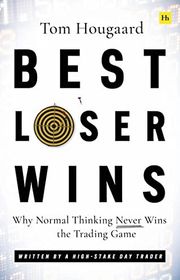
Best Loser Wins
For readers examining how discomfort influences their response to losses and uncertain outcomes. Hougaard's personal examples make the psychological struggle concrete, though his aggressive trading style is not a template every reader should copy.
What it's about
Tom Hougaard explores the psychological demands of trading through personal experiences and reflections on losses, discipline, and uncertainty. He argues that habitual emotional responses can undermine decisions, and examines how traders might recognize and challenge those reactions.
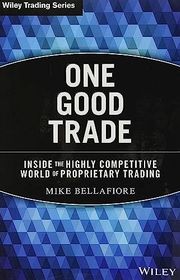
One Good Trade
For readers interested in how a proprietary trading desk develops and reviews its traders. Bellafiore emphasizes deliberate process and learning from mistakes, though the professional desk environment differs from trading independently at home.
What it's about
Mike Bellafiore draws on his experience building a proprietary trading firm to explain trader development. Stories from the desk explore preparation, execution, review, and the habits involved in making a good trade regardless of its immediate result.
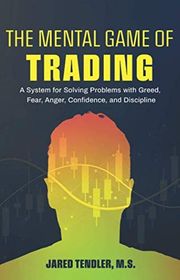
The Mental Game of Trading
For traders who want a structured way to investigate recurring emotional mistakes. Tendler organizes self-review around specific patterns rather than general encouragement, though the exercises demand sustained effort and do not validate the underlying trading strategy.
What it's about
Jared Tendler examines the emotional problems that can disrupt trading decisions, including fear, greed, anger, and confidence. His system uses observation and structured analysis to identify recurring patterns and develop more deliberate responses during trading.

The Simple Strategy
A Powerful Day Trading Strategy For Trading Futures, Stocks, ETFs and Forex
For readers who prefer a clearly specified indicator-based strategy they can inspect and test. The narrow rules reduce ambiguity, though simplicity does not establish a durable edge across different markets and trading costs.
What it's about
Markus Heitkoetter and Mark Hodge explain an indicator-based trend-following strategy for futures, stocks, ETFs, and foreign exchange. Defined entry and exit rules structure the approach, alongside discussion of practical judgment and the inevitability of losses.

The Truth About Day Trading Stocks
For readers who want a personal account of day trading's demands and frequent mistakes. DiPietro emphasizes process and transaction costs, though one trader's experience cannot establish that the methods will work for others.
What it's about
Josh DiPietro examines the strategic and psychological difficulties of stock day trading. Drawing on personal experience, he discusses small-profit trades, quick exits from losing positions, transaction costs, and the discipline involved in managing risk.

For readers interested in how electronic stock trading developed and was organized. Abell connects process with trader discipline, though its early electronic-market setting makes the operational instructions less applicable to today's platforms.
What it's about
Howard Abell explains how to establish an electronic day-trading operation and approach short-term stock-price movements. Technical analysis, trading platforms, market discipline, and money management form the core of his guide to developing a consistent strategy.

For readers specifically studying trading within support and resistance ranges. The narrow focus makes the framework easy to examine, though market breakouts can invalidate the premise and the title's consistency claim should not be assumed.
What it's about
Michael Young introduces a stock-trading strategy based on price ranges, support, and resistance. Diagrams and worked examples explain selecting buying and selling levels, while separate discussions examine the risks involved and methods for limiting them.

Start Day Trading Now
A Quick and Easy Introduction to Making Money While Managing Your Risk
For complete beginners who want a brief explanation of day-trading terminology and logistics. Sincere offers a manageable starting overview, though its brevity and older examples leave substantial research and practice still to do.
What it's about
Michael Sincere introduces day trading for readers without prior experience, explaining equipment, capital requirements, terminology, and basic strategies. Risk management and the psychological demands of trading accompany his account of getting an operation started.
Sources
- 1
Best Day Trading Books (2026): 7 Worth Buying
daytradingapp.com
- 2
The 10 Best Day Trading Books (For Beginners Up To Pros)
wrtrading.com
- 3
The Best Day Trading Books for Beginner Investors
benzinga.com
- 4
Top 20 Best Day Trading Books (To Help You Crush The Market) (2026)
theadvisorcoach.com
- 5
Day Trading Books
goodreads.com
- 6
Best Day Trading Books for 2026: 13 Top Picks
daytradingz.com
- 7
Help with the right books
reddit.com
- 8
Best Day Trading Books for Beginners & Traders (2026)
bullishbears.com



Edited by
Software engineer whose passion for tracking book recommendations from podcasts inspired the creation of MRB.
Lead investor at 3one4 Capital whose startup expertise and love for books helped shape MRB and its growth.
Comments
Did we miss something? Have feedback?
Help us improve this page by sharing your thoughts