
11 Best Trading Psychology Books
The best trading psychology books, ranked by expert source recommendations, with notes on who each suits, from emotional habits to structured performance review.
Our take
Trading psychology examines how uncertainty, expectations, and emotional responses shape decisions around risk. These books approach the subject through interviews, personal experience, research, and coaching exercises. Some help readers recognize repeated patterns; others explore how experienced traders describe discipline and setbacks. Understanding those patterns is a different task from establishing whether a trading strategy works.
Trading in the Zone and The Disciplined Trader focus on beliefs and attitudes. The Mental Game of Trading offers a more structured process for investigating recurring problems, while The Daily Trading Coach breaks reflection and practice into short lessons. Market Wizards and Reminiscences of a Stock Operator provide contrasting narrative perspectives rather than a single system. Market Mind Games offers a different view of what emotions contribute to judgment. Start with the format you can apply consistently: a framework for understanding your reactions, exercises for reviewing them, or narratives that help you notice familiar mistakes.
11 books · 8 sources · Last updated
As an Amazon Associate, we earn from qualifying purchases (at no extra cost to you).
How to choose from this list
Skip to the full rankingIf you want a framework for uncertainty: Trading in the Zone → The Disciplined Trader
If you want structured emotional review: The Mental Game of Trading
If you prefer short coaching lessons: The Daily Trading Coach → High Performance Trading
If you learn through traders' experiences: Market Wizards → Reminiscences of a Stock Operator
If you want another perspective on emotion: Market Mind Games
If you want to examine reactions to loss: Best Loser Wins
The 11 books, ranked
Ranked by how many expert sources name each book. Ties go to the book more people recommend.

Trading in the Zone
Master the Market with Confidence, Discipline, and a Winning Attitude
For traders examining their need for certainty and reactions to losses. Douglas develops a sustained framework for thinking about probabilities, though its repeated emphasis on beliefs offers fewer concrete exercises than a structured coaching workbook.
What it's about
Mark Douglas explores why traders repeat mistakes despite knowing their strategies. His discussion of beliefs, uncertainty, risk, and probability focuses on developing a consistent mental approach without treating individual trade outcomes as predictable.

The Daily Trading Coach
For traders who prefer working through focused lessons over time. Steenbarger's coaching format supports reflection and routine more directly than an interview collection, though the many exercises require selecting what fits your own recurring difficulties.
What it's about
Brett Steenbarger offers 101 lessons designed to help traders coach themselves. Techniques and homework exercises focus on psychological habits and performance, encouraging readers to examine their behavior, address recurring difficulties, and build a structured process for learning from experience.
Also recommended by
1 person Timothy Sykes recommended this book
Timothy Sykes
"Great [book]." - Timothy Sykes
Timothy Sykes's recommendation of this book

For readers who want to compare how different traders discuss discipline and uncertainty. The interview format offers more variety than a single coaching method, though successful traders' recollections cannot establish which habits caused their results.
What it's about
Jack Schwager interviews leading traders across financial markets to explore how they developed their approaches. Their accounts of major wins and losses reveal contrasting strategies, practical lessons, and the discipline involved in managing risk.
Also recommended by
3 people Adam Robinson recommended this book
Adam Robinson
"Somehow [the author] cannily got the world's best traders to reveal amazing insider secrets!" - Adam Robinson
Adam Robinson's recommendation of this book  Nassim Taleb recommended this book
Nassim Taleb
"Twenty years from now, [this book] will still be fresh. There is no other like it." - Nassim Taleb
Nassim Taleb's recommendation of this book  Raoul Pal recommended this book
Raoul Pal
Raoul Pal recommended this book on Twitter.
Raoul Pal's recommendation of this book

For readers who want to examine the beliefs behind repeated trading mistakes. Its sustained attention to attitudes complements the shorter coaching lessons here, though the older examples and repetitive argument can make the reading slow.
What it's about
Mark Douglas examines the psychological barriers that affect trading decisions, drawing on his commodity-market experience. He explores habitual attitudes and behaviors, then outlines a framework for developing discipline and a more objective response to market activity.
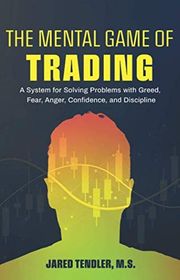
The Mental Game of Trading
For traders who want to investigate recurring emotional mistakes systematically. Tendler's worksheets and review process offer more explicit practice than a philosophical mindset book, though applying the method calls for detailed records and honest self-observation.
What it's about
Jared Tendler examines the emotional problems that can disrupt trading decisions, including fear, greed, anger, and confidence. His system uses observation and structured analysis to identify recurring patterns and develop more deliberate responses during trading.

Reminiscences of a Stock Operator
For readers who learn about speculative behavior through narrative. Its account of confidence, temptation, and setbacks makes recurring mistakes memorable, though the fictionalized story and early market setting limit its value as a practical manual.
What it's about
Edwin Lefèvre fictionalizes the career of speculator Jesse Livermore through a trader's account of market successes and setbacks. The narrative explores ambition, judgment, emotional discipline, and the lessons learned from taking risks in early American financial markets.
Also recommended by
3 people Barry Silbert recommended this book
Barry Silbert
"For crypto traders." - Barry Silbert
Barry Silbert's recommendation of this book  Mike Novogratz recommended this book
Mike Novogratz
"I've given 40 copies away probably. [...] And for anyone who wants to be a trader or an investor, this is the Bible." - Mike Novogratz
Mike Novogratz's recommendation of this book  Paul Tudor Jones recommended this book
Paul Tudor Jones
"It was given to me by my first boss as the most important book I could read." - Paul Tudor Jones
Paul Tudor Jones's recommendation of this book
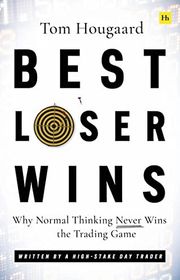
Best Loser Wins
For readers interested in how a trader confronts loss and discomfort. Hougaard's personal perspective makes the emotional argument vivid, though his forceful style and trading experience do not make his approach suitable for every reader.
What it's about
Tom Hougaard explores the psychological demands of trading through personal experiences and reflections on losses, discipline, and uncertainty. He argues that habitual emotional responses can undermine decisions, and examines how traders might recognize and challenge those reactions.

High Performance Trading
35 Practical Strategies and Techniques to Enhance Your Trading Psychology and Performance
For traders who prefer short exercises and a performance-coaching approach. Ward gives preparation, attention, and recovery more practical structure than a trader memoir, though the strategies require sustained personal review rather than a quick read.
What it's about
Steve Ward presents 35 strategies for developing trading discipline and psychological resilience. Drawing on coaching and performance psychology, he addresses preparation, focus, confidence, emotional responses, and recovery from losses, setbacks, and mistakes.

For experienced readers interested in a different account of emotion in market decisions. Shull treats feelings as information rather than mere interference, though the argument is less straightforward to apply than a stepwise exercise system.
What it's about
Denise Shull argues that emotions provide useful information in financial decisions rather than simply obstructing rational thought. Drawing on psychology and trading experience, she explores how feelings, beliefs, context, and uncertainty shape judgments about markets and risk.

For readers who want psychology connected with a wider trading routine. Elder integrates preparation and risk management more broadly than a mindset-only book, though the breadth leaves less room for detailed work on a particular emotional pattern.
What it's about
Alexander Elder combines trading psychology, market methods, and money management in a practical guide. He discusses stocks, futures, and options while emphasizing discipline, risk control, organization, and the management of a trader’s time and strategy.

For readers who want a general introduction to forces behind irrational decisions. Its accessible stories broaden the discussion beyond trading, though the trading-specific routines and risk decisions explored elsewhere here receive little direct attention.
What it's about
Ori and Rom Brafman examine psychological forces that push people toward irrational decisions. Drawing on research and stories, they explore loss aversion, premature judgments, and social influences, then consider ways to recognize and resist these pressures.
Sources
- 1
10 Best Trading Psychology Books of All Time
zenandtheartoftrading.com
- 2
8 Best Trading Psychology Books (2026)
tradezella.com
- 3
Trading Psychology Books: 9 Worth Reading (And 1 Warning)
enlightenedstocktrading.com
- 4
Best Trading Psychology Books: A Ranked List From 20 Years of Live Coaching
thewallstreetcoach.com
- 5
Top 5 Books about Trading Psychology & Behavioural Finance
home.saxo
- 6
Trading Psychology Books
goodreads.com
- 7
Best books/resources for trading psychology
reddit.com
- 8
My top 10 trading books to become and stay profitable!
reddit.com




Edited by
Software engineer whose passion for tracking book recommendations from podcasts inspired the creation of MRB.
Lead investor at 3one4 Capital whose startup expertise and love for books helped shape MRB and its growth.
Comments
Spotted a missing book, a wrong order or a mistake? Tell us and we'll fix this page.
We're a reading guide, not the author or publisher, so we can't send books or pass on messages.