
14 Best Software Architecture Books
The best software architecture books, ranked by how many expert sources recommend each one, with notes on design, distributed systems and where to start.
Our take
Software architecture connects a system's structure with the qualities it needs to deliver: reliability, security, performance and the ability to change. These books help developers moving into broader design responsibility, architects weighing competing requirements and teams trying to explain their decisions. Some teach ways to organize code; others address distributed data, documentation or the organizational work behind technical choices.
Head First Software Architecture offers a visual introduction, while Fundamentals of Software Architecture provides a broader map of styles and tradeoffs. Software Architecture in Practice takes a more systematic approach to quality attributes and evaluation. For particular problems, Domain-Driven Design focuses on complex business models, Designing Data-Intensive Applications examines data infrastructure, and Building Evolutionary Architectures addresses continued change. The Software Architect Elevator turns toward communication across an organization. Start with a general introduction, then choose the specialist book that matches a decision you actually need to make.
14 books · 8 sources · Last updated
As an Amazon Associate, we earn from qualifying purchases (at no extra cost to you).
How to choose from this list
Skip to the full rankingIf you're new to architectural thinking: Head First Software Architecture → Fundamentals of Software Architecture
If you need a systematic design method: Software Architecture in Practice → Designing Software Architectures
If you're working on complex business software: Domain-Driven Design → Patterns of Enterprise Application Architecture
If you're designing distributed systems: Designing Data-Intensive Applications → Software Architecture: The Hard Parts
If you need architecture to evolve: Building Evolutionary Architectures
If you need to communicate decisions: Documenting Software Architectures → The Software Architect Elevator
The 14 books, ranked
Ranked by how many expert sources name each book. Ties go to the book more people recommend.

For experienced developers moving into architectural responsibility. Its survey connects architectural styles with tradeoffs and people skills, though the breadth makes it a starting framework rather than detailed implementation guidance for every style.
What it's about
Mark Richards and Neal Ford explain how architects evaluate system structures and their tradeoffs. The guide covers architectural styles, component boundaries, coupling, operational considerations, and the communication and negotiation skills needed to turn technical choices into workable designs.
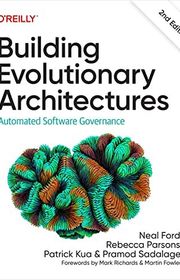
Building Evolutionary Architectures
For teams whose architecture must keep changing without losing essential qualities. Its emphasis on fitness functions turns architectural intentions into ongoing checks, though useful automation depends on identifying meaningful constraints rather than merely adding more metrics.
What it's about
The authors present an approach to architecture that supports continual change while preserving important system qualities. The second edition develops automated governance through fitness functions, connecting incremental design decisions with checks that help teams detect unwanted architectural drift.

For developers considering independently deployable services and their operational consequences. Newman connects design with testing, integration and deployment, though the linked first edition predates the expanded treatment available in later editions and requires established development experience.
What it's about
Sam Newman introduces the design and operation of systems built from small, autonomous services. He examines microservices' benefits and drawbacks, covering modeling, integration, testing, deployment, and monitoring through practical examples and the experience of a fictional company.

For developers trying to protect business rules from changing frameworks and infrastructure. Its emphasis on dependency direction makes structural boundaries concrete, though the strongly argued examples need adaptation rather than automatic application to every system.
What it's about
Martin explains the principles behind software architecture and the decisions that shape maintainable systems. Drawing on different application types, he examines architectural responsibilities, design disciplines, and common failures, showing how structure can support software as its requirements change.
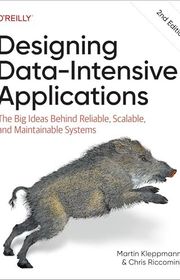
Designing Data-Intensive Applications: The Big Ideas Behind Reliable, Scalable, and Maintainable Systems
For developers making decisions about storage, replication and distributed data systems. The second edition connects underlying principles with competing design choices, though its depth and technical detail make it a substantial read rather than an architecture overview.
What it's about
Martin Kleppmann and Chris Riccomini explain the principles behind reliable data systems. The book compares data models, storage, replication, partitioning, transactions, and processing approaches, connecting technical choices with the requirements and tradeoffs involved in building applications.

Patterns of Enterprise Application Architecture
For developers building business applications who need names and structures for recurring design problems. The pattern catalog supports precise discussion, though its early enterprise examples require interpretation when used with contemporary frameworks and deployment models.
What it's about
Fowler catalogs recurring design patterns for enterprise software, explaining their uses and tradeoffs. The book addresses layered architecture, domain logic, database access, object-relational mapping, web presentation, concurrency, and distributed systems, helping developers choose structures suited to their applications.
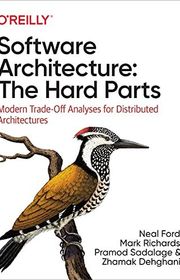
Software Architecture: The Hard Parts
For architects already comfortable with basic styles who face difficult distributed-system choices. Its treatment of service granularity, contracts and workflows makes tradeoff analysis concrete, though it assumes more context than the introductory books provide.
What it's about
Four architects examine difficult decisions in distributed systems through the fictional Sysops Squad. The book explores service boundaries, data ownership, contracts, workflows and transactions, offering techniques for weighing competing requirements and documenting the consequences of architectural choices.

The Software Architect Elevator
Redefining the Architect's Role in the Digital Enterprise
For architects who need to connect implementation choices with leadership and organizational change. Hohpe's stories clarify the work between technical and business levels, though the enterprise emphasis provides less help with detailed component or algorithm design.
What it's about
Gregor Hohpe explores the architect's role in connecting technical implementation with business strategy. Drawing on experiences of enterprise transformation, he offers advice on navigating organizational structures, influencing technology decisions, and linking senior leadership with the people building systems.

Software Architecture in Practice
For readers who need a systematic connection between requirements, quality attributes and design decisions. Its coverage of evaluation and the architecture lifecycle provides a strong reference, though the textbook structure is denser than a conversational introduction.
What it's about
Len Bass, Paul Clements, and Rick Kazman explain how to design, evaluate, evolve, and manage software architecture. They examine quality attributes such as performance, security, and modifiability, connecting technical decisions with organizational needs and the software lifecycle.

For architects who need documentation that serves different readers and decisions. Its treatment of views, interfaces and rationale gives communication a concrete structure, though applying the full approach can feel heavy without selecting what your project needs.
What it's about
Paul Clements and his coauthors explain how to document software architecture for different stakeholders. They cover architectural views, interfaces, behavior, design rationale, and templates, using guidelines and examples to create documentation that supports building, using, and maintaining systems.

For experienced developers working with a complicated business domain and its experts. Evans connects modeling with shared language and software boundaries, though the dense presentation and extended examples make it a demanding first architecture book.
What it's about
Eric Evans explains how domain models can guide software design and communication. Using examples from real projects, he examines modeling building blocks, refactoring, and strategic design, showing how to keep implementation aligned with complex business concepts.
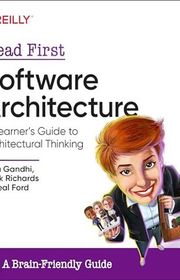
Head First Software Architecture
For developers who learn best through pictures, exercises and conversation. The visual format introduces architectural thinking more gently than the textbooks, though experienced architects seeking a compact reference may find the repetition and playful presentation slow.
What it's about
Raju Gandhi, Mark Richards and Neal Ford introduce architectural thinking through visual explanations and exercises. The book explores architectural characteristics, components, styles and tradeoffs, helping developers connect system requirements with structural choices and practice reasoning about design.

For readers who understand architectural concepts but need a repeatable design process. The worked approach makes requirements and decisions explicit, though its structured method can feel formal when applied to a small or rapidly changing project.
What it's about
Humberto Cervantes and Rick Kazman present a systematic method for designing software architectures. Structured design techniques, reusable knowledge, and case studies show how to make architectural decisions and develop designs that support requirements, maintenance, and system evolution.

Software Architect's Handbook
Become a Successful Software Architect by Implementing Effective Architecture Concepts
For readers who want a broad map of the architect's technical and interpersonal responsibilities. Its coverage helps identify unfamiliar areas for further study, though the survey format offers less depth than a book focused on one architectural challenge.
What it's about
Joseph Ingeno surveys software architecture principles and the skills needed to apply them. He covers quality attributes, patterns, performance, security, documentation, DevOps, legacy systems, and evolving designs, alongside the interpersonal skills involved in an architect's career.
Sources
- 1
The Ultimate List of Best Software Architecture Books (2026)
workingsoftware.dev
- 2
IN4315: Software Architecture: Suggested Reading
se.ewi.tudelft.nl
- 3
A comprehensive list of books on Software Architecture
github.com
- 4
[Megathread] Software Architecture Books & Resources
reddit.com
- 5
Architecture for beginners
reddit.com
- 6
Software Architecture Books
goodreads.com
- 7
Best Software Architecture Books Recommended by Developers
geekpeak.dev
- 8
19 Best Software Architecture Books: What to Read First
itechguides.com




Edited by
Software engineer whose passion for tracking book recommendations from podcasts inspired the creation of MRB.
Lead investor at 3one4 Capital whose startup expertise and love for books helped shape MRB and its growth.
Comments
Spotted a missing book, a wrong order or a mistake? Tell us and we'll fix this page.
We're a reading guide, not the author or publisher, so we can't send books or pass on messages.