
13 Best CSS Books
The best CSS books, ranked by how many expert sources recommend each one, with notes on who each suits, from first-time learners to working developers.
Our take
CSS controls how web pages look and how their layouts respond to different screens. Learning it involves more than collecting properties: the cascade, sizing, inheritance, and layout rules explain why a page behaves as it does. These books range from illustrated introductions that teach HTML alongside CSS to detailed references for developers who already build websites.
If you are starting from zero, HTML and CSS by Jon Duckett offers a visual introduction, while Head First HTML and CSS uses questions and exercises to reinforce ideas. Learning Web Design covers a wider set of website-building skills. Once you can style a simple page, Responsive Web Design with HTML5 and CSS focuses on adaptable interfaces, and CSS in Depth develops a more systematic understanding. CSS Secrets explores inventive techniques, while CSS Pocket Reference serves as a desk companion. Check the edition: older books can explain durable fundamentals while missing newer layout features. Start with one beginner course and apply each lesson to a small page.
13 books · 7 sources · Last updated
As an Amazon Associate, we earn from qualifying purchases (at no extra cost to you).
How to choose from this list
Skip to the full rankingIf you're learning your first web languages: HTML and CSS → HTML and CSS QuickStart Guide
If you learn through questions and exercises: Head First HTML and CSS
If you want adaptable page layouts: Responsive Web Design with HTML5 and CSS → CSS in Depth
If you already write CSS and want new techniques: CSS Secrets
If you need a compact desk reference: CSS Pocket Reference
If you're helping a child start coding: Get Coding!
The 13 books, ranked
Ranked by how many expert sources name each book. Ties go to the book more people recommend.
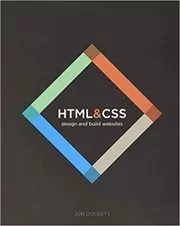
For complete beginners who prefer diagrams and visual examples to dense technical prose. Duckett makes page structure and styling approachable, but this older introduction needs supplementation for current layout tools and newer CSS features.
What it's about
Jon Duckett introduces HTML and CSS through illustrated explanations, photographs, and code examples. The book shows beginners how web pages are structured and styled, connecting markup and presentation with practical considerations for organizing content and designing a usable website.

For developers who already know CSS and want to reason through inventive visual solutions. Verou explains the thinking behind each technique, but the older collection is a companion for exploration rather than a complete modern course.
What it's about
Lea Verou presents 47 CSS techniques for solving everyday web development problems. Examples cover backgrounds, borders, shapes, visual effects, typography, layout, and animation, demonstrating an analytical approach to creating flexible, maintainable styles with standards-based code.
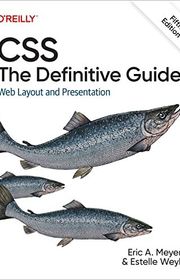
CSS: The Definitive Guide: Web Layout and Presentation
For working developers who need detailed explanations of CSS behavior and properties. Its breadth makes it valuable for resolving gaps and checking unfamiliar features, but the large reference format is demanding as a first introduction.
What it's about
Meyer and Weyl explain CSS selectors, values, the cascade, and layout alongside typography, color, effects, and animation. The fifth edition covers modern presentation tools, helping developers understand individual properties and how they interact in real stylesheets.
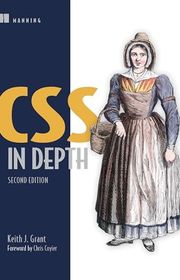
CSS in Depth
For developers whose CSS works but still feels hard to predict. The second edition builds a systematic understanding of the cascade and modern layout, though its depth assumes comfort with basic HTML and styling.
What it's about
Keith Grant explains how CSS rules interact and how to build reliable layouts. The second edition covers modern features including cascade layers, subgrid, and container queries, using examples to develop practical reasoning about styling and maintainability.

For developers who already understand CSS and need concise reminders while working. Its compact entries make property lookup faster than reading a full tutorial, but beginners will find too little explanation or guided practice.
What it's about
This compact reference helps web designers and developers look up CSS concepts, selectors, values, and properties while working. Alphabetical entries and concise explanations support everyday styling decisions without requiring readers to search through a full-length guide.
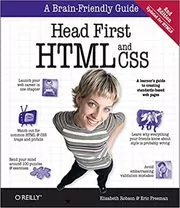
For beginners who enjoy visual puzzles, questions, and a conversational teaching style. Its interactive approach helps explain how markup and styling fit together, though its older examples need supplementation for current responsive layout techniques.
What it's about
Elisabeth Robson and Eric Freeman teach HTML and CSS through visual explanations and interactive exercises. The book develops the fundamentals of creating, styling, and maintaining web pages, helping beginners understand how markup and presentation work together across browsers and devices.

HTML and CSS QuickStart Guide
For first-time developers who want a manageable route into building responsive pages. Practical exercises connect HTML with styling, though its introductory scope leaves complex layouts and larger stylesheet organization to more advanced books.
What it's about
David DuRocher introduces HTML5 and CSS3 for first-time developers through manageable explanations and practical exercises. The guide builds a foundation in markup, styling, and responsive website development, encouraging readers to begin applying web design concepts as they learn.
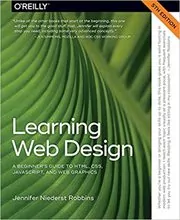
For beginners who want a broad web-design course rather than CSS in isolation. Exercises connect styling with markup, images, and JavaScript, though the packet’s fifth edition predates the newer sixth edition and recent CSS additions.
What it's about
Jennifer Niederst Robbins introduces website creation through HTML, CSS, JavaScript, and web graphics. Exercises and quizzes build from page structure to responsive layouts, image optimization, and development tools, giving beginners practice in creating sites that adapt to different screen sizes.

For beginners who retain ideas through repeated practice. Short lessons paired with exercises encourage active learning, but their usefulness depends partly on access to the companion material, and modern layout coverage needs supplementation.
What it's about
Mark Myers teaches HTML and CSS through short chapters paired with online exercises. The approach emphasizes repeated practice after each explanation, introducing webpage structure and styling while encouraging learners to retain skills through active use.

For children who want to make something while learning their first web languages. Story-linked missions give the exercises a purpose, but CSS shares space with HTML and JavaScript, so styling receives only introductory treatment.
What it's about
Young Rewired State introduces children to HTML, CSS, and JavaScript through coding missions linked to an adventure involving jewel thieves. Bite-sized instructions guide readers toward building a website, an app, and a game while learning basic programming skills.

HTML, CSS and JavaScript All in One, Sams Teach Yourself
Covering HTML5, CSS3, and jQuery
For learners who want to see HTML, CSS, and JavaScript working together through practical tasks. The integrated approach supports small projects, but the older edition’s scripting examples and broad scope limit its value as a CSS reference.
What it's about
This integrated tutorial teaches beginners how HTML, CSS, and JavaScript work together to create websites. Short, practical lessons introduce structure, presentation, and behavior in context, building skills through step-by-step tasks using HTML5 and CSS3 alongside scripting.

Responsive Web Design with HTML5 and CSS
Develop Future-Proof Responsive Websites Using the Latest HTML5 and CSS Techniques
For readers who know basic markup and want layouts that adapt across screen sizes. Frain connects responsive techniques with practical interface work, but this third edition lacks changes covered in later editions.
What it's about
Ben Frain explains how to build responsive websites using HTML5 and CSS in this third edition. Practical examples explore adaptable layouts, CSS Grid, custom properties, variable fonts, forms, and visual effects for interfaces that work across different screen sizes.

HTML, CSS & JavaScript in Easy Steps
For beginners who like short, illustrated steps and want all three browser languages in one place. Its consistent presentation makes switching between structure, style, and behavior easier, though dedicated CSS books offer more depth.
What it's about
Mike McGrath explains the three languages used to structure, style, and add interaction to web pages. Step-by-step examples connect HTML markup, CSS rules, and JavaScript functions, giving beginners a foundation for building pages whose appearance and behavior work together.
Sources
- 1
16 Best CSS Books for Beginners and Advanced Coders
sitepoint.com
- 2
10+ Best HTML/CSS Books for Beginners and Advanced Coders in 2025
wpshout.com
- 3
Top CSS books curated by experts
mentorcruise.com
- 4
Css Books
goodreads.com
- 5
16 Best CSS Books You Should Read: Beginner to Advanced Picks
rottenwifi.com
- 6
CSS Books
educba.com
- 7
10 Best HTML CSS Books: From Zero to Shipped
jbbolh.com



Edited by
Software engineer whose passion for tracking book recommendations from podcasts inspired the creation of MRB.
Lead investor at 3one4 Capital whose startup expertise and love for books helped shape MRB and its growth.
Comments
Spotted a missing book, a wrong order or a mistake? Tell us and we'll fix this page.
We're a reading guide, not the author or publisher, so we can't send books or pass on messages.