
16 Best Spanish Cooking Books
The best Spanish cooking books, ranked by how many expert sources recommend each one, with notes on who they suit, from home cooks to regional food explorers.
Our take
Spanish cooking books can take you from a simple tortilla to an entire table of tapas, or spend a whole volume inside one region's food traditions. The most useful choice depends on whether you want an everyday repertoire, a deeper understanding of ingredients, or recipes for a particular occasion. A travel narrative can be rewarding too, but it serves a different purpose from a kitchen reference.
1080 Recipes and 1,000 Spanish Recipes offer large collections to explore over time. The Food of Spain adds extensive cultural context, while Basque Country narrows the view to one region. For American kitchens, Made in Spain and Cúrate translate Spanish ideas into familiar cooking conditions. Vegan Recipes from Spain provides a dedicated plant-based option. Charcutería is a more specialized undertaking, and Grape, Olive, Pig is primarily for reading. Start with Tapas Revolution for accessible dishes, or choose a larger collection if you want a lasting reference.
16 books · 7 sources · Last updated
As an Amazon Associate, we earn from qualifying purchases (at no extra cost to you).
How to choose from this list
Skip to the full rankingIf you want an accessible first book: Tapas Revolution → Made in Spain
If you want a broad traditional repertoire: 1080 Recipes → 1,000 Spanish Recipes
If you want culture with your cooking: The Food of Spain → Grape, Olive, Pig
If you want a regional focus: Basque Country
If you cook plant-based meals: Vegan Recipes from Spain
The 16 books, ranked
Ranked by how many expert sources name each book. Ties go to the book more people recommend.

The Food of Spain
For cooks who enjoy understanding a dish's history and regional setting as much as making it. Roden gives recipes rich cultural context, though the substantial narrative makes this less streamlined than a quick weeknight collection.
What it's about
Claudia Roden presents Spain's regional cooking alongside the history and culture that shaped it. Recipes ranging from tapas and soups to celebratory dishes and desserts draw on years of travel and conversations with cooks across the country.

1,000 Spanish Recipes
For cooks who want many traditional options across Spain's regions and meal types. Casas is especially useful for extending an existing repertoire, though the sheer number of recipes makes choosing a starting point harder than in a smaller collection.
What it's about
Penelope Casas surveys regional Spanish cooking through a thousand recipes spanning tapas, soups, salads, main dishes, breads, and desserts. Menus and notes on ingredients accompany dishes from Galicia, Madrid, the Canary Islands, and other parts of Spain.

1080 Recipes
For home cooks who want a broad traditional repertoire to return to over years. The Ortega collection offers more range than a regional or tapas book, though the large volume requires browsing rather than following a short course.
What it's about
Simone and Inés Ortega collect traditional Spanish home cooking from across the country's regions. The illustrated cookbook ranges from appetizers and vegetables to stews and desserts, presenting a broad repertoire of recipes alongside photographs and Javier Mariscal's drawings.

For home cooks who want restaurant-inspired Spanish food adapted to American seasonal ingredients. Button and Ko connect familiar kitchen conditions with a distinctive repertoire, though some dishes ask more planning than a straightforward everyday collection.
What it's about
Katie Button and Genevieve Ko adapt dishes from Asheville's Cúrate restaurant for home cooks. Recipes combine Spanish traditions with American seasonal ingredients, ranging from tortillas and paella to meats, celebratory drinks, and desserts.

For home cooks who like recipes linked to a travel narrative. Stein offers a varied regional introduction with a clear personal voice, though the journey's selected stops provide less breadth than the large national collections.
What it's about
Companion to his Spanish TV series, this book tours the country from Galicia to Andalusia, combining travel notes with recipes. Tapas, stews, roasts and desserts aim to capture the spirit of regional Spanish cooking for the home kitchen.

For cooks planning a spread of small dishes rather than a conventional main course. Casas provides a substantial tapas repertoire, though preparing several different recipes can demand more coordination than the size of each plate suggests.
What it's about
Penelope Casas presents Spanish small dishes, including seafood, salads, marinades, tortillas, skewers, and savory pastries. This revised collection combines established tapas traditions with newer recipes reflecting changes in Spanish cooking, supported by preparation guidance and photographs.
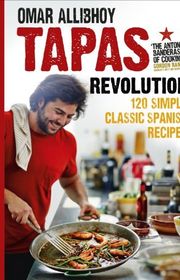
Tapas Revolution
For cooks who want a manageable entry into Spanish home cooking through familiar pantry ingredients. Allibhoy emphasizes straightforward methods across more than tapas, though the accessible selection offers less regional depth than the larger reference books.
What it's about
Omar Allibhoy presents Spanish recipes with an emphasis on everyday ingredients and approachable methods. Vegetables, rice, meat, fish, and desserts sit alongside tapas, with illustrated guidance for familiar dishes such as tortilla and variations on other classics.

For cooks ready to explore one region through its ingredients and eating traditions. Buckley connects recipes with Basque life more closely than a nationwide survey, though that regional focus naturally leaves much of Spain outside the book.
What it's about
Marti Buckley explores Basque cooking through ingredient-focused recipes, local customs, and photographs of food and place. The book connects pintxos and family meals with the region's landscape, eating clubs, and traditions of preparing seasonal produce, meat, and fish.

For readers who want to travel through Spain's food culture before deciding what to cook. Goulding brings producers and local traditions into focus, though this is narrative food writing rather than a practical recipe collection.
What it's about
Matt Goulding travels through Spain's regional food cultures, meeting cooks, producers, and people whose lives revolve around local ingredients. Personal narrative and photographs connect tapas, seafood, ham, and other traditions with the country's landscapes and history.

For American home cooks who want regional Spanish dishes explained with their kitchen in mind. Andrés makes ingredients and techniques approachable, though the television-companion format offers a selective tour rather than an exhaustive national reference.
What it's about
José Andrés travels through Spain's regional cuisines in this companion to his television series. Recipes and stories introduce local ingredients and traditions, adapting dishes from homes and restaurants, including soups, sandwiches, bean dishes, seafood, and salads.

For American cooks who want to make Spanish small plates with accessible ingredient guidance. Andrés and Wolffe translate the tapas approach for home entertaining, though assembling a varied spread still takes planning and several separate preparations.
What it's about
José Andrés and Richard Wolffe present Spanish tapas for American home kitchens. The cookbook combines small-dish recipes with guidance on ingredients, drawing on Mediterranean traditions and Andrés's experience translating Spanish cooking to ingredients available in the United States.

The New Spanish Table
For cooks who want traditional Spanish foundations alongside more contemporary interpretations. Von Bremzen combines recipes with ingredient notes and regional stories, though some projects require more shopping and preparation than a simple everyday dinner.
What it's about
Anya von Bremzen explores Spanish cooking through recipes gathered from chefs, farmers, fishermen, and other local cooks. Tapas, gazpachos, rice dishes, and desserts appear alongside regional history, ingredient notes, cooking advice, and personal stories.

For experienced cooks interested in Spanish meat-curing traditions and the craft behind familiar ingredients. Weiss offers a specialized technical focus, though curing projects require equipment, time, and careful process control beyond ordinary dinner preparation.
What it's about
Jeffrey Weiss explores Spain's butchering and meat-curing traditions through recipes, illustrations, photographs, and personal anecdotes. The book examines preparations such as chorizo, morcilla, and jamón, connecting practical techniques with regional culinary history and culture.

For cooks who enjoy Spanish flavors alongside North African and eastern Mediterranean influences. The Clarks offer a distinctive restaurant repertoire, though readers seeking a strictly Spanish or region-by-region reference should begin with another book.
What it's about
Sam and Sam Clark share recipes from their London restaurant inspired by Spain, North Africa, and the eastern Mediterranean. The collection explores spices, sauces, stews, and other dishes while preserving the culinary traditions that shaped Moro’s food.

For cooks drawn to substantial home food and the stories behind it. Camorra connects recipes with a journey through Spain, though the travel detail and wider repertoire make this less concise than a single-purpose tapas book.
What it's about
Frank Camorra journeys through Spain to collect savory and sweet dishes adapted for home kitchens. Recipes, travel stories, photographs, technique explanations, and a culinary glossary connect regional cooking traditions with the people and places that sustain them.

Vegan Recipes from Spain
For plant-based cooks who want Spanish flavors without adapting meat and seafood recipes themselves. Baró builds a dedicated vegan repertoire, though the emphasis on small plates may require combining several recipes for a complete meal.
What it's about
Gonzalo Baró presents vegan Spanish cooking through traditional dishes and newer interpretations built around local produce. Chapters cover basic preparations, tapas, pinchos, appetizers, main dishes, and sweets, with recipes including vegetable paella, soups, sauces, and stuffed peppers.
Sources
- 1
Top 20 Best Spanish Cookbooks
spanishsabores.com
- 2
22 Must-Have Spanish Cookbooks for Your Shelf
lacademie.com
- 3
The best Spanish cookbooks
thehappyfoodie.co.uk
- 4
Best Spanish Cookbooks
goodreads.com
- 5
Recommendations for Spanish cookbooks?
reddit.com
- 6
Top 3 Spanish Food Cookbooks
thespruceeats.com
- 7
The Best Spanish Cookbooks (Tapas And More!)
foreverbarcelona.com






Edited by
Software engineer whose passion for tracking book recommendations from podcasts inspired the creation of MRB.
Lead investor at 3one4 Capital whose startup expertise and love for books helped shape MRB and its growth.
Comments
Spotted a missing book, a wrong order or a mistake? Tell us and we'll fix this page.
We're a reading guide, not the author or publisher, so we can't send books or pass on messages.