
7 Best Computer Hardware Books
The best computer hardware books, ranked by how many expert sources recommend each one, with notes on beginner guides, PC repair, and computer architecture.
Our take
Computer hardware books can answer two quite different questions: how does a computer work, and how do I fix the one on my desk? Repair guides concentrate on components, faults, and maintenance. Architecture books explain how digital logic, processors, memory, and software fit together. Choosing the right kind matters more than starting with the most advanced title.
Code: The Hidden Language of Computer Hardware and Software offers an approachable conceptual beginning. The Elements of Computing Systems turns understanding into a sequence of projects, while Computer Organization and Design: The Hardware/Software Interface develops the engineering foundations. Computer Architecture: A Quantitative Approach is a later step for readers ready to analyze design tradeoffs. For practical PC work, the troubleshooting books have a more direct purpose, but check which hardware and operating-system versions an edition covers. Start with Code for understanding, or a maintenance guide for an immediate problem.
7 books · 9 sources · Last updated
As an Amazon Associate, we earn from qualifying purchases (at no extra cost to you).
How to choose from this list
Skip to the full rankingIf you’re new to how computers work: Code → Structured Computer Organization
If you want to learn through projects: Code → The Elements of Computing Systems
If you want to study processor design: Computer Organization and Design → Computer Architecture
If you want to maintain a PC: Troubleshooting & Maintaining PCs All-in-One For Dummies → Upgrading and Repairing PCs
The 7 books, ranked
Ranked by how many expert sources name each book. Ties go to the book more people recommend.

For curious beginners who want the ideas behind computing before tackling a textbook. Its progression from simple signals to computer mechanisms builds intuition, but it is not a manual for assembling or repairing a PC.
What it's about
Charles Petzold explains how computers work by building from familiar communication systems, including Morse code and Braille. Everyday examples lead into bits, bytes, and hardware, tracing how simple mechanisms combine to support complex information processing.
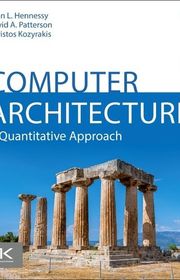
Computer Architecture: A Quantitative Approach
For advanced students and engineers who want to evaluate architecture through measurements and tradeoffs. It goes beyond introductory organization into design analysis, but its technical depth makes prior knowledge of processors and memory important.
What it's about
John Hennessy and David Patterson examine computer architecture through quantitative comparisons of design choices. Topics connect processor and memory organization with performance and efficiency, giving experienced readers tools for analyzing systems rather than only describing their components.

For students and programmers who want to understand how hardware choices affect software. It connects processor organization with performance more directly than the repair books here, but it expects sustained study rather than casual browsing.
What it's about
David Patterson and John Hennessy explain how computer hardware and software interact, linking instruction sets and processor design to program performance. Examples develop the roles of memory, input and output, and architectural choices in executing real workloads.

Upgrading and Repairing PCs
For readers who want a substantial reference on PC components and troubleshooting. Its breadth suits detailed lookup better than a short introduction, but older editions cannot guide every decision about current parts and interfaces.
What it's about
Scott Mueller explains PC hardware through its components, interfaces, and operating principles. Detailed discussions of processors, motherboards, memory, storage, and firmware support practical decisions about upgrades, component installation, fault diagnosis, and repair in the machines covered by this edition.
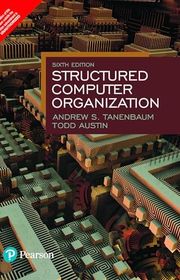
Structured Computer Organization
For students who want a broad view of a computer’s layers. Its structured approach connects low-level machinery with the software above it, but the textbook scope requires more work than a narrative introduction.
What it's about
Andrew Tanenbaum and Todd Austin explain computers as layers, from digital logic and microarchitecture to instruction sets and higher-level interfaces. The structure helps students connect the behavior of software with the mechanisms that execute it.
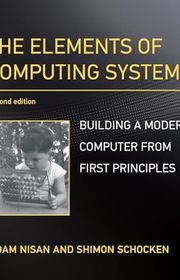
The Elements of Computing Systems
For learners who want to build their understanding through projects. Its progression from logic gates to a working software system makes the connections tangible, but completing the exercises takes substantially more effort than reading alone.
What it's about
Noam Nisan and Shimon Schocken guide readers through constructing a computer system from basic logic gates upward. Hardware simulation, machine language, and software projects reveal how the layers cooperate, turning abstract computing concepts into a working design.

For PC owners who want a friendly route through upkeep and common problems. Its symptom-led approach is less intimidating than an architecture textbook, but the instructions depend on the Windows versions and hardware covered.
What it's about
Dan Gookin organizes computer upkeep and troubleshooting into a collection of practical guides for PC users. The book explains how to recognize symptoms, narrow down likely causes, address common hardware and software problems, and establish regular maintenance habits.
Sources
- 1
Computer Hardware Books
goodreads.com
- 2
Top Resources to Learn About Computer Hardware
hubcomputers.co.uk
- 3
Best Books and Resources for Learning the Hardware of Computers
themagiccrayons.com
- 4
Best Books On Computer Hardware
ms.codes
- 5
What are the best books and/or sites to learn computer science and hardware?
reddit.com
- 6
Reading list: Hardware
research.tedneward.com
- 7
cpplinks/comparch.md at master · MattPD/cpplinks
github.com
- 8
WHAT ARE THE BEST COMPUTER HARDWARE BOOKS FOR A BEGINNER
reddit.com
- 9
Books
wiki.osdev.org





Edited by
Software engineer whose passion for tracking book recommendations from podcasts inspired the creation of MRB.
Lead investor at 3one4 Capital whose startup expertise and love for books helped shape MRB and its growth.
Comments
Spotted a missing book, a wrong order or a mistake? Tell us and we'll fix this page.
We're a reading guide, not the author or publisher, so we can't send books or pass on messages.