
5 Best Chess Tactics Books
The best chess tactics books, ranked by how many expert sources recommend each one, with notes on who each book suits and where to start at different skill levels.
Our take
Chess tactics books differ in what they expect you to know before you start solving. Some teach common motifs through short, clearly signposted exercises. Others provide large collections for repeated drilling or test whether you can choose a sound move without being told that a tactic exists. Matching the difficulty matters more than choosing the largest book.
Chess Tactics for Students is the clearest starting point here for learning patterns in a worksheet format. Sharpen Your Tactics offers a much longer graded collection once you want more practice. Encyclopedia of Chess Combinations is useful for concentrating on particular motifs and returning to them over time. The Ultimate Chess Puzzle Book adds varied tests, while John Nunn’s Chess Puzzle Book asks for more demanding calculation and judgment. Start with exercises you can understand and solve carefully, then move to mixed positions as the basic patterns become familiar.
5 books · 4 sources · Last updated
As an Amazon Associate, we earn from qualifying purchases (at no extra cost to you).
How to choose from this list
Skip to the full rankingIf you're learning tactical patterns: Chess Tactics for Students
If you want a long graded collection: Sharpen Your Tactics
If you want to drill particular motifs: Encyclopedia of Chess Combinations
If you're ready for mixed tests: The Ultimate Chess Puzzle Book → John Nunn's Chess Puzzle Book
The 5 books, ranked
Ranked by how many expert sources name each book. Ties go to the book more people recommend.
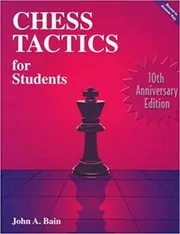
Chess Tactics for Students
For beginners who want tactical ideas broken into manageable, themed exercises. Bain gives each pattern a clear learning structure, though the hints and organized chapters make the problems easier than spotting the same opportunities in a real game.
What it's about
John Bain presents 434 tactical problems in worksheets arranged by theme and increasing difficulty. Designed for students and classroom use, the workbook includes an answer key that supports independent practice, self-correction, and instruction by teachers or coaches.
Also recommended by
1 person Dan Heisman recommended this book
Dan Heisman
"Learn motifs (pins, removal of guard, double attacks, back-rank mates, etc.)" - Dan Heisman
Dan Heisman's recommendation of this book
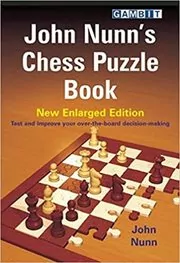
John Nunn's Chess Puzzle Book
For experienced players who want to test judgment as well as tactical alertness. Nunn does not guarantee that a combination exists, though the difficult positions and detailed analysis make it a demanding choice for beginners.
What it's about
John Nunn presents puzzles that require readers to find the best move without being told whether a combination exists. Hints, detailed solutions, and test papers explore tactical opportunities, positional choices, and the danger of attractive but unsound ideas.
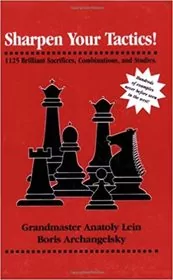
For players who want a long sequence of tactical exercises that grows harder as they progress. The graded collection supports steady practice, though the emphasis on solving gives less conceptual instruction than an introductory teaching workbook.
What it's about
This chess workbook presents 1,125 sacrifices, combinations, and studies arranged by increasing difficulty. Players work from simpler problems toward challenging tactical positions, using graded exercises to practice recognizing opportunities and calculating their consequences.
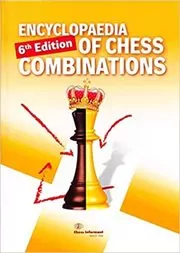
Encyclopedia of Chess Combinations
For players who want a substantial bank of combinations organized for repeated study. The motif-based structure makes targeted drilling convenient, though the scale and sparse explanation are less helpful before you understand the underlying patterns.
What it's about
A collection of chess combinations organizes thousands of positions by tactical motif and difficulty. Examples from world champions’ games cover themes such as deflection, pins, and double attacks, offering training material for beginners through advanced players.
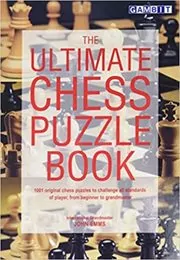
The Ultimate Chess Puzzle Book
For improving players who want varied puzzles and tests in one volume. Emms combines tactical themes with positions that challenge automatic assumptions, though the changing difficulty requires more judgment about where to begin than a simple first course.
What it's about
John Emms presents chess puzzles ranging from introductory exercises to demanding positions for experienced players. Themed sections and graded tests develop tactical calculation, while occasional positional solutions challenge the assumption that every problem calls for a combination.
Sources
Edited by
Software engineer whose passion for tracking book recommendations from podcasts inspired the creation of MRB.
Lead investor at 3one4 Capital whose startup expertise and love for books helped shape MRB and its growth.
Comments
Did we miss something? Have feedback?
Help us improve this page by sharing your thoughts