
9 Best Canadian History Books
The best Canadian history books, ranked by how many expert sources recommend each one, with notes for choosing national surveys, biographies, and focused studies.
Our take
Canadian history encompasses Indigenous nations, European colonization, Confederation, migration, war, and competing visions of the country. No single narrative captures all those experiences. These books offer several ways in: a broad chronological survey, the life of a political figure, stories organized around maps, or a focused study of colonial policy and its consequences. They suit newcomers building context as well as readers pursuing a particular period.
A Short History of Canada and Canadian History for Dummies supply general orientation. Champlain's Dream and Nation Maker narrow the view to individuals, while The Promise of Canada uses a series of portraits to explore national identity. The Inconvenient Indian and Clearing the Plains challenge comfortable accounts of relations between settlers and Indigenous peoples in different ways. Read across those perspectives rather than expecting one book to settle the story. Start with Morton for a timeline, then follow the subject that most interests you.
9 books · 8 sources · Last updated
As an Amazon Associate, we earn from qualifying purchases (at no extra cost to you).
How to choose from this list
Skip to the full rankingIf you need a national overview: A Short History of Canada
If you enjoy exploration and geography: A History of Canada in Ten Maps → Champlain's Dream
If you want to examine colonial relationships: The Inconvenient Indian → Clearing the Plains
If you want political lives and national identity: Nation Maker → The Promise of Canada
If you want a focused First World War narrative: Vimy
The 9 books, ranked
Ranked by how many expert sources name each book. Ties go to the book more people recommend.
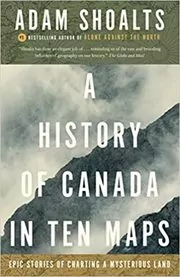
For readers who enjoy geography and journeys more than political chronology. The maps give exploration a concrete visual focus, though the organizing lens leaves many social and Indigenous histories outside its main frame.
What it's about
Adam Shoalts tells the stories behind ten historical maps of what became Canada. He follows explorers and cartographers across centuries, examining the journeys, uncertainties, and geographical knowledge that gradually transformed European representations of the land.
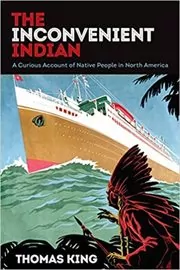
For readers ready to question familiar settler accounts of North American history. King's wit and personal perspective expose recurring assumptions about Indigenous peoples, though this argumentative account offers neither a neutral survey nor a Canada-only focus.
What it's about
A lively, opinionated history of Indigenous peoples in North America, this book looks at treaties, popular culture, law and land theft through sharp anecdotes and humour, asking how the stories settlers tell still shape policy and prejudice.
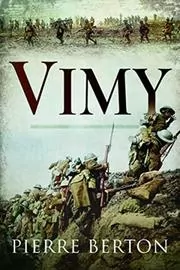
Vimy
For readers who want a vivid account of the soldiers behind a celebrated battle. Berton's use of interviews gives the fighting human scale, though its national framing benefits from later work questioning Vimy's symbolic status.
What it's about
Pierre Berton reconstructs the Canadian assault on Vimy Ridge in 1917 through interviews and unpublished accounts. He examines the battle's preparation and fighting alongside the experiences of soldiers and its place in Canadian national memory.

A Short History of Canada
For readers who need a continuous national timeline before choosing specialist books. Morton offers narrative context across eras rather than organizing the story around one person or event, though a compact survey necessarily compresses regional experiences.
What it's about
Desmond Morton surveys Canada's past from its early peoples and European colonization through Confederation and later political and social change. His national narrative connects major events and competing interests, providing context for more specialized histories.
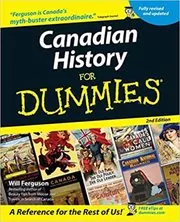
Canadian History for Dummies
For newcomers who want a conversational overview without scholarly density. Ferguson's humor makes names and turning points approachable, though this edition's coverage ends well before the present and needs more recent reading alongside it.
What it's about
Will Ferguson introduces Canadian history with an irreverent account of Indigenous cultures, European settlement, and political development. This edition follows events into Paul Martin's minority government, using personalities and pivotal episodes to explain the country's changing identity.
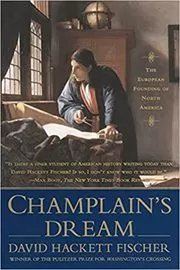
Champlain's Dream
For readers interested in New France through one life. Fischer connects Atlantic politics, navigation, and colonial relationships in substantial detail, though the sympathetic biographical focus is narrower than a history centered on Indigenous nations.
What it's about
David Hackett Fischer traces Samuel de Champlain's life as a navigator, explorer, and founder of New France. His biography examines Atlantic voyages, French court politics, and relationships with Indigenous nations while exploring Champlain's vision for a colony in North America.

Clearing the Plains: Disease, Politics of Starvation, and the Loss of Indigenous Life
For readers seeking a closely argued account of colonial policy on the Prairies. Daschuk connects health, hunger, and state expansion through historical evidence, though the concentrated regional study is demanding and frequently distressing.
What it's about
James Daschuk examines disease, food supplies, and colonial policy in the Canadian Prairies. He traces how ecological changes and government decisions affected Indigenous communities and connects nineteenth-century dispossession with enduring inequalities in health and living conditions.
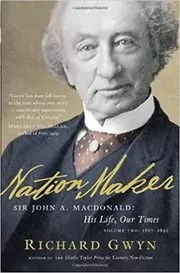
For readers who want to understand Confederation's aftermath through political biography. Gwyn joins government decisions to Macdonald's personal life, though beginning with the post-1867 period makes this a focused second volume rather than a complete life.
What it's about
Richard Gwyn continues his biography of John A. Macdonald from Confederation in 1867 through the building of Canada. Political challenges and national development are interwoven with Macdonald’s family life, personal losses, and consequential decisions as prime minister.
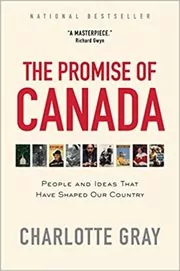
For readers interested in Canadian identity through individual lives and ideas. Gray connects cultural figures with political change in accessible portraits, though her selective cast cannot provide the continuity of a full national history.
What it's about
Charlotte Gray explores Canadian identity through portraits of influential figures and the ideas they helped establish. Her account connects people such as George-Étienne Cartier, Emily Carr, Tommy Douglas, Margaret Atwood, and Elijah Harper with the country’s evolving history.
Sources
- 1
100 Best Canadian History Books of All Time (Updated for 2026)
shortform.com
- 2
Canadian History Books
goodreads.com
- 3
Books on Canadian History : r/AskACanadian
reddit.com
- 4
How to Build a Rich Canadian History Homeschool Curriculum - They Call Me Blessed
theycallmeblessed.org
- 5
Indigenous History Resource List | Royal Alberta Museum
royalalbertamuseum.ca
- 6
The Best 29 Canadian History Books - Blinkist
blinkist.com
- 7
Find Books & eBooks - HIST 110 (Canada to 1867) Course Guide - LibGuides at Columbia College (BC)
columbiacollege-ca.libguides.com
- 8
history of canada - recommendations? : r/HistoryBooks
reddit.com

Edited by
Software engineer whose passion for tracking book recommendations from podcasts inspired the creation of MRB.
Lead investor at 3one4 Capital whose startup expertise and love for books helped shape MRB and its growth.
Comments
Spotted a missing book, a wrong order or a mistake? Tell us and we'll fix this page.
We're a reading guide, not the author or publisher, so we can't send books or pass on messages.