
8 Best Bookkeeping Books
The best bookkeeping books, ranked by how many expert sources recommend each one, with notes on who each suits, from new business owners to working bookkeepers.
Our take
Bookkeeping turns a business’s transactions into records that can be checked, understood, and used to prepare financial reports. Learning it means more than entering figures into software: you need to understand accounts, the relationships between them, and how errors show up. These books range from short introductions to references covering a bookkeeper’s wider responsibilities.
Accounting Made Simple explains the underlying ideas without a large time commitment. The Accounting Game offers a more interactive starting point through a small business example. For repeated practice, Bookkeeping the Easy Way provides exercises, while Bookkeeping Made Simple follows the accounting cycle. Bookkeeping Essentials and Full Charge Bookkeeping reach further into operational work, and Keeping the Books connects records with the needs of a small business owner. Principles last longer than tax rules or software instructions, so check those details separately. Start with Accounting Made Simple for a quick foundation, or The Accounting Game if examples help the ideas click.
8 books · 7 sources · Last updated
As an Amazon Associate, we earn from qualifying purchases (at no extra cost to you).
How to choose from this list
Skip to the full rankingIf accounting is completely new: The Accounting Game → Accounting Made Simple
If you want lessons and exercises: Bookkeeping the Easy Way → Bookkeeping Made Simple
If you’re keeping a small business’s records: Keeping the Books
If you want a broad reference: Bookkeeping All-in-One For Dummies → Bookkeeping Essentials
If you’re preparing for wider bookkeeping duties: Full Charge Bookkeeping
The 8 books, ranked
Ranked by how many expert sources name each book. Ties go to the book more people recommend.
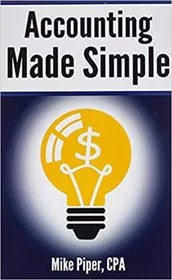
For beginners who need the accounting logic behind the entries before tackling a longer manual. Its concise explanations make terminology manageable, though the short format provides less repeated practice and operational detail than the dedicated bookkeeping guides.
What it's about
Mike Piper introduces accounting through concise explanations of financial statements, ratios, and the accounting equation. Topics include debits and credits, cash and accrual methods, generally accepted principles, inventory costs, depreciation, and amortization.
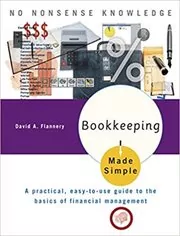
Bookkeeping Made Simple
A Practical, Easy-to-Use Guide to the Basics of Financial Management
For students and small business owners who learn through the sequence of the accounting cycle. Its examples connect records, adjustments, and statements, though older administrative details need separating from the underlying bookkeeping principles.
What it's about
David Flannery introduces record keeping through the complete accounting cycle for students and small business owners. Topics include journals, account adjustments, financial statements, merchandising, cash control, payroll, partnerships, and closing the books.
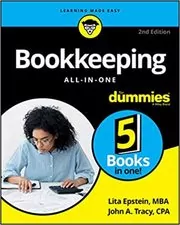
Bookkeeping All-in-One For Dummies
For beginners who want several bookkeeping and accounting topics in one reference. Its breadth supports moving from transactions toward reports and budgets, though the large format rewards selective reading and edition-specific rules require checking.
What it's about
Lita Epstein and John Tracy explain bookkeeping and accounting for business records. Coverage includes journals, ledgers, tracking transactions, assets and liabilities, financial reports, budgeting, cost accounting, and the tasks involved in preparing and closing the books.
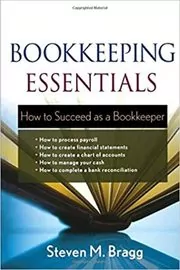
For readers with some foundations who want a practical reference for routine bookkeeping problems. Its worked examples and checklists make consultation useful, though payroll, compliance, and other procedural details need checking against current local requirements.
What it's about
Steven Bragg answers everyday bookkeeping questions through examples, checklists, tables, and worked solutions. Topics include journal entries, purchasing, payroll, cash receipts, inventory, financial statements, reconciliations, and controls intended to reduce errors and fraud.
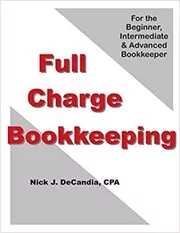
For readers exploring the broader responsibilities of a full charge bookkeeper. Its coverage connects daily transactions with payroll, ledgers, and reports, though the operational examples and rules need adapting to the business and jurisdiction involved.
What it's about
Nick DeCandia explains the responsibilities of a full charge bookkeeper, from accounts payable and receivable to payroll, general ledger work, and financial statements. Examples, forms, and industry terminology connect routine recordkeeping with the broader task of managing a company's books.
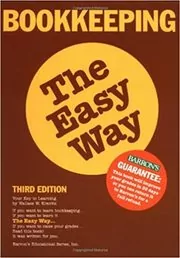
For beginners who want lessons, exercises, and answers rather than a quick overview. Its practice structure helps test understanding of journals and ledgers, though the older presentation does not teach a current accounting-software workflow.
What it's about
Wallace Kravitz introduces bookkeeping through a sequence of lessons for beginners and small business owners. Chapters explain financial statements, ledgers, general and specialized journals, with practice exercises and answers to reinforce the underlying principles.
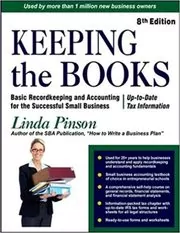
For small business owners who want recordkeeping connected with cash flow and financial reports. Its forms and worksheets make the work concrete, though tax-related records and older examples need adapting to current local requirements.
What it's about
Linda Pinson explains recordkeeping and accounting for small business owners with limited financial experience. Examples, forms, and worksheets cover bookkeeping systems, income and expenses, financial statements, cash flow analysis, and the records needed for tax preparation.
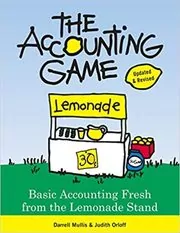
The Accounting Game
For complete beginners who learn best through one small, concrete business example. Its interactive lemonade-stand format makes the relationships between transactions and reports easier to follow, though the simplified setting cannot cover a real business’s full bookkeeping needs.
What it's about
Mullis and Orloff use a child's lemonade stand to introduce accounting without technical jargon. Interactive lessons, color-coded charts, and worksheets teach readers to track expenses, understand cash flow, and connect business activity with financial reports.
Sources
- 1
5 Best Books for a Bookkeeper in 2022 ( No 5 Is the Best One)
wikiaccounting.com
- 2
13 must-read books for accountants and bookkeepers
method.me
- 3
Bookkeeping Books
goodreads.com
- 4
10 Accounting and Finance Books to Read in 2025
rightworks.com
- 5
Bookkeeping Books - List of Top 10 Books to Read in 2026
wallstreetmojo.com
- 6
9 Recommended Books To Read Before Starting a Bookkeeping Business
bookkeepers.com
- 7
Bookkeeping Book Recommendations
reddit.com



Edited by
Software engineer whose passion for tracking book recommendations from podcasts inspired the creation of MRB.
Lead investor at 3one4 Capital whose startup expertise and love for books helped shape MRB and its growth.
Comments
Spotted a missing book, a wrong order or a mistake? Tell us and we'll fix this page.
We're a reading guide, not the author or publisher, so we can't send books or pass on messages.