
8 Best Bipolar Disorder Books
The best bipolar disorder books, ranked by expert source recommendations, with notes on who each suits, from personal memoirs to practical guides for families.
Our take
Books about bipolar disorder can explain a diagnosis, describe the experience of mood episodes, or help relatives understand what a loved one is facing. This selection includes clinical overviews, practical exercises, and personal accounts. The memoirs offer depth about particular lives, while the guides organize information across a wider range of experiences and concerns. Neither format captures every person's relationship with the condition.
An Unquiet Mind combines a researcher's knowledge with a personal account, while Madness and the graphic memoir Marbles use very different forms to describe lived experience. The Bipolar Disorder Survival Guide and Bipolar Disorder provide broader explanations. The Bipolar Workbook emphasizes written exercises, and Loving Someone with Bipolar Disorder concentrates on a partner's perspective. Start with an overview if you want to understand the terminology and scope, or a memoir if you want another person's experience as a point of connection.
8 books · 8 sources · Last updated
As an Amazon Associate, we earn from qualifying purchases (at no extra cost to you).
How to choose from this list
Skip to the full rankingIf you want a broad practical overview: The Bipolar Disorder Survival Guide → Bipolar Disorder
If you prefer structured written exercises: The Bipolar Workbook
If you want a clinician's personal account: An Unquiet Mind
If you prefer a graphic memoir: Marbles
If you're reading as a partner: Loving Someone with Bipolar Disorder
If you want a family caregiver's perspective: To Walk on Eggshells
The 8 books, ranked
Ranked by how many expert sources name each book. Ties go to the book more people recommend.

For people with bipolar disorder and families who want a broad practical reference. Miklowitz organizes clinical information and everyday challenges more systematically than a memoir, though the breadth makes it a substantial book to consult in sections.
What it's about
David Miklowitz explains how people with bipolar disorder and their families can understand treatment and manage daily challenges. The guide addresses mood episodes, recurrence, family conflict, lifestyle choices, and particular issues involving children, teenagers, and bipolar II.

For readers who want a personal account informed by clinical expertise. Jamison connects professional knowledge with lived experience more directly than the other memoirs, though the account is emotionally intense and cannot represent every person's course of illness.
What it's about
Kay Redfield Jamison recounts living with bipolar disorder while building a career researching and treating mood disorders. Her memoir explores mania, depression, relationships, and resistance to medication, bringing a clinician's knowledge together with her own experience of illness.
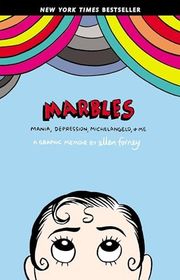
Marbles
For readers who prefer a visual account of living with bipolar disorder. Forney's drawings make the relationship between creativity, identity, and treatment unusually immediate, though the memoir remains one person's experience rather than a comprehensive guide.
What it's about
Cartoonist Ellen Forney recounts her bipolar diagnosis and its effects on her identity, work, and relationships. Drawings and prose explore creativity, mood, medication, and her efforts to understand what living as both an artist and a patient means.

For partners who want to understand how bipolar disorder can affect a relationship. Its focus on communication and the partner's needs distinguishes it from a general patient guide, though the couple-centered perspective does not cover every family situation.
What it's about
Julie Fast and John Preston offer guidance for partners of people with bipolar disorder. The book discusses symptoms, triggers, communication, treatment, and emotional ups and downs, alongside ways to support a partner while protecting personal well-being and the relationship.

For readers who want an unfiltered memoir of severe mood episodes and their consequences. Hornbacher's close account of lived experience differs from an explanatory guide, though the distress, substance use, and eating-disorder material make it demanding reading.
What it's about
Marya Hornbacher recounts living with bipolar disorder, from childhood mood disturbances to a diagnosis in adulthood. Her memoir traces episodes of mania and depression alongside eating disorders, substance use, relationships, and efforts to sustain everyday life.
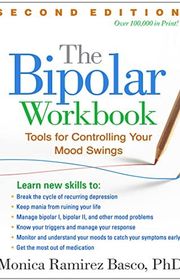
The Bipolar Workbook
For readers who prefer written exercises to a continuous narrative. Basco's cognitive-behavioral approach gives self-observation and planning a clearer structure than the memoirs, though the worksheets require sustained participation and do not offer an individualized assessment.
What it's about
Monica Ramirez Basco presents cognitive-behavioral exercises for understanding mood patterns and responding to everyday difficulties associated with bipolar disorder. Worksheets address triggers, thoughts, routines, stress, and planning, connecting information about the condition with structured reflection and practice.
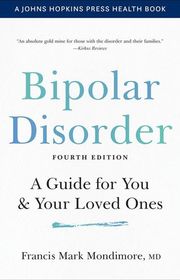
Bipolar Disorder
For people with bipolar disorder and loved ones seeking an explanatory overview. Mondimore gives the clinical background more sustained attention than the memoirs, though the amount of treatment information makes it better suited to selective reading than a quick introduction.
What it's about
Francis Mark Mondimore explains bipolar disorder for people living with the condition and those close to them. The guide discusses diagnosis, mood episodes, treatment approaches, daily routines, and family concerns, connecting clinical explanations with examples of life with the illness.

To Walk on Eggshells
For family members who want a mother's account of supporting an adult child. The caregiver perspective complements the first-person memoirs here, though it describes one family's experience and provides less clinical explanation than a general reference.
What it's about
Jean Johnston recounts caring for her daughter Suzy after she developed a mental illness. This account offers a mother's perspective on the experience described by Suzy in The Naked Bird Watcher, exploring their shared journey from another viewpoint.
Sources
- 1
Mental Health Books
ibpf.org
- 2
25 Best Books About Bipolar Disorder
choosingtherapy.com
- 3
The 20 Best Books about Bipolar Disorder
brokebybooks.com
- 4
Best books on bipolar disorder: for patients and families
simpleandpractical.com
- 5
Bipolar Disorder Books
goodreads.com
- 6
Bipolar
bibliotherapy.ca
- 7
Do you have this book or any other to help you with management of bipolar disorder?
reddit.com
- 8
Resources for People with Bipolar Disorder: Self-Help Guides (From The Bipolar Disorder Survival Guide)
reddit.com


Edited by
Software engineer whose passion for tracking book recommendations from podcasts inspired the creation of MRB.
Lead investor at 3one4 Capital whose startup expertise and love for books helped shape MRB and its growth.
Comments
Spotted a missing book, a wrong order or a mistake? Tell us and we'll fix this page.
We're a reading guide, not the author or publisher, so we can't send books or pass on messages.