
10 Best Depression Books
The best depression books, ranked by expert-source recommendations, with notes for readers seeking memoirs, practical exercises, or a broader understanding.
Our take
Books about depression can serve very different purposes. Some help readers recognize an experience that has been difficult to explain. Others examine treatment, social conditions, or the ways thoughts and everyday habits interact with mood. A memoir can offer company, while a practical guide asks for the energy to try exercises and return to them.
The Noonday Demon takes the broadest route through personal experience and reporting. Darkness Visible offers a much shorter account, and Furiously Happy uses humor without avoiding distress. An Unquiet Mind focuses on bipolar disorder, including mania as well as depression. For practice rather than narrative, Feeling Good emphasizes cognitive exercises, while The Mindful Way through Depression develops mindfulness skills. These approaches offer different kinds of support rather than a single account of what everyone needs. Start with a short memoir if you want recognition, or a practical guide if you are ready for regular exercises.
10 books · 10 sources · Last updated
As an Amazon Associate, we earn from qualifying purchases (at no extra cost to you).
How to choose from this list
Skip to the full rankingIf you want a broad understanding: The Noonday Demon
If you prefer a short personal account: Darkness Visible → Reasons to Stay Alive
If you want cognitive exercises: Feeling Good
If you want mindfulness practice: The Mindful Way through Depression
If you want a bipolar perspective: An Unquiet Mind
If you want humor alongside lived experience: Furiously Happy
The 10 books, ranked
Ranked by how many expert sources name each book. Ties go to the book more people recommend.

For readers wanting a broad understanding of depression, Solomon combines personal experience with reporting on treatment, culture, and policy. Its scope offers more context than a workbook, though the length and difficult accounts demand considerable attention.
What it's about
Andrew Solomon explores depression through his own experiences and interviews with patients, clinicians, researchers, and policymakers. The book considers treatment, cultural attitudes, and the illness's effects across different communities, combining personal narrative with a broad investigation of its complexity.

For readers wanting a concentrated account of severe depression, Styron's short memoir conveys how difficult the experience can be to describe. Its brevity makes it easier to approach than Solomon, though the subject matter remains intense.
What it's about
William Styron describes the depression that overwhelmed him, tracing its effects on thought, daily life, and his sense of survival. This personal memoir examines an experience he found difficult to communicate and his movement toward recovery.

For readers interested in depression within bipolar disorder, Jamison brings a clinician's understanding to a personal account of illness and treatment. That combination distinguishes it here, though her experience includes mania and cannot represent every depression.
What it's about
Kay Redfield Jamison recounts living with bipolar disorder while building a career researching and treating mood disorders. Her memoir explores mania, depression, relationships, and resistance to medication, bringing a clinician's knowledge together with her own experience of illness.

For readers who want structured work on distressing thoughts, Burns supplies cognitive therapy exercises rather than personal narrative. It offers a practical starting point for repeated practice, though its length and homework can feel demanding.
What it's about
David Burns introduces cognitive therapy techniques for examining the thoughts associated with depression and low self esteem. Exercises address guilt, criticism, procrastination, and dependence on approval, while the updated edition also discusses antidepressant treatment options.
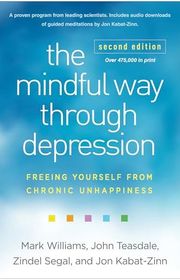
The Mindful Way through Depression
For readers drawn to mindfulness, this explores a different relationship with difficult thoughts rather than only challenging their content. Guided practices give the approach structure, though it requires regular participation and is not a quick read-and-finish solution.
What it's about
Mark Williams, John Teasdale, Zindel Segal and Jon Kabat-Zinn explain how habitual responses to sadness can reinforce emotional distress. The revised second edition combines stories, mindfulness-based cognitive therapy concepts and guided audio meditations to explore different responses to difficult experiences.

For readers who want humor and recognition alongside accounts of mental illness, Lawson makes room for absurdity without hiding distress. Its personal essays offer companionship, though the irreverent tone and digressions won't suit every reader.
What it's about
In this humor memoir, Lawson writes about living with severe depression, anxiety, and chronic illness while chasing every scrap of joy she can find. Essays jump from panic attacks and therapy to absurd adventures and taxidermy, building a defiant philosophy of being furiously happy.
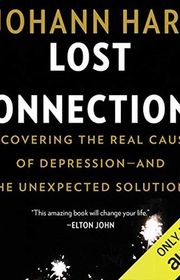
Lost Connections: Uncovering the Real Causes of Depression - and the Unexpected Solutions
For readers interested in social conditions around depression, Hari emphasizes relationships, work, and belonging through reported stories. It broadens the conversation beyond individual habits, though its advocacy makes it a perspective to examine rather than a comprehensive overview.
What it's about
Johann Hari investigates depression and anxiety through personal experience, interviews, and reporting on social conditions. He argues that disconnection from meaningful work, relationships, and other needs deserves greater attention, and explores community-based responses to these problems.
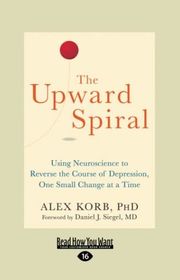
The Upward Spiral: Using Neuroscience to Reverse the Course of Depression, One Small Change at a Time
For readers who want a brain-based explanation connected to everyday behavior, Korb makes neuroscience approachable through small actions. It offers more scientific framing than the memoirs, though the accessible account simplifies a complex and varied illness.
What it's about
Alex Korb explains depression through interactions among brain systems and everyday behavior. Drawing on neuroscience, he discusses how activities involving sleep, movement, decision-making, and social contact may influence mood, presenting changes as parts of an interconnected process.

Reasons to Stay Alive
For readers who want a shorter personal account, Haig combines memories of depression and anxiety with reflections on continuing to live. Its brief sections can feel approachable, though one person's recovery offers perspective rather than a universal plan.
What it's about
Part memoir, part manual, this book charts Matt Haig’s plunge into life‑threatening depression in his twenties and his slow recovery, offering short chapters, lists and honest conversations aimed at anyone who has ever struggled to see a reason to go on.

For readers interested in organizing everyday habits, Ilardi presents lifestyle changes as a connected program rather than isolated tips. The practical structure is its appeal, though the drug-free framing should not be read as a treatment guarantee.
What it's about
Stephen Ilardi presents a six-part lifestyle program for addressing depression through exercise, nutrition, sunlight, sleep, social connection, and absorbing activities. Practical schedules and tracking tools help readers organize the changes proposed by his therapeutic lifestyle approach.
Sources
- 1
The 9 Best Books About Depression of 2022
psychcentral.com
- 2
The 15 Best Books About Depression
healthline.com
- 3
Top 10 books about depression
theguardian.com
- 4
5 Best Books for Dealing With Anxiety and Depression
markmanson.net
- 5
Books About Depression
goodreads.com
- 6
Depression Books
goodreads.com
- 7
Any good books on depression?
reddit.com
- 8
Books that helped
reddit.com
- 9
The Best Books on Depression: 10 Reads That Actually Help
yalom.com
- 10
The Best Books on Depression
fivebooks.com




Edited by
Software engineer whose passion for tracking book recommendations from podcasts inspired the creation of MRB.
Lead investor at 3one4 Capital whose startup expertise and love for books helped shape MRB and its growth.
Comments
Spotted a missing book, a wrong order or a mistake? Tell us and we'll fix this page.
We're a reading guide, not the author or publisher, so we can't send books or pass on messages.