
12 Best Borderline Personality Disorder Books
The best BPD books, ranked by how many expert sources recommend each one, with notes on who each suits, from firsthand accounts to practical family guides.
Our take
Books about borderline personality disorder serve different purposes. Some explain the diagnosis and approaches to care, some introduce skills for everyday difficulties, and others describe what living with BPD feels like. Guides written for loved ones answer another set of questions about communication and boundaries. Choosing the right perspective matters as much as choosing a familiar title.
I Hate You--Don't Leave Me offers a broad introduction, while Coping with BPD and Mindfulness for Borderline Personality Disorder concentrate on practical skills. For firsthand experience, The Buddha and the Borderline and Get Me Out of Here follow individual lives, and Beyond Borderline brings together several voices. Loving Someone with Borderline Personality Disorder centers the concerns of family and friends. These accounts differ in tone, assumptions, and the experiences they represent; one person’s story is not everyone’s. Start with an overview if the subject is new, then choose skills, memoir, or relationship guidance according to what you want to understand.
12 books · 8 sources · Last updated
As an Amazon Associate, we earn from qualifying purchases (at no extra cost to you).
How to choose from this list
Skip to the full rankingIf you want a broad introduction: The Borderline Personality Disorder Survival Guide → I Hate You--Don't Leave Me
If you want practical skills: Coping with BPD → Mindfulness for Borderline Personality Disorder
If you want firsthand recovery accounts: The Buddha and the Borderline → Get Me Out of Here
If you want several lived perspectives: Beyond Borderline
If you’re supporting someone close to you: Loving Someone with Borderline Personality Disorder
The 12 books, ranked
Ranked by how many expert sources name each book. Ties go to the book more people recommend.
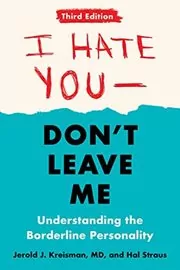
For readers who want a broad introduction to BPD and its effects on relationships. Its explanatory scope makes it a useful reference, though the case-based presentation can feel less personal than the firsthand recovery accounts.
What it's about
Jerold Kreisman and Hal Straus explain borderline personality disorder for people affected by it and those around them. The revised third edition discusses research into its origins, related conditions, treatment approaches, and practical ways to communicate within difficult relationships.
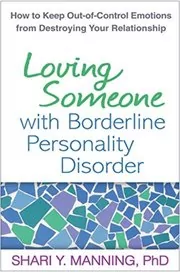
Loving Someone with Borderline Personality Disorder
How to Keep Out-of-Control Emotions from Destroying Your Relationship
For family members and friends who want communication guidance informed by DBT. Its attention to both connection and boundaries gives it a clear relationship focus, though it does not offer the same perspective as a memoir by someone with BPD.
What it's about
Shari Manning offers guidance for family members and friends of people with borderline personality disorder. Drawing on dialectical behavior therapy, she explains emotional instability and presents strategies for responding to crises, establishing boundaries, and improving communication.
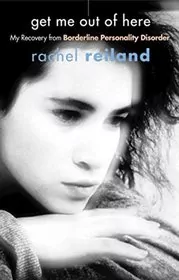
For readers seeking a sustained memoir of therapy and changing family relationships. Its detail gives more continuity than a collection of short accounts, though the intense personal material makes it an emotionally demanding read.
What it's about
Rachel Reiland recounts her diagnosis with borderline personality disorder and the intensive therapy that followed. Her memoir explores destructive behaviors, family relationships, and the support of loved ones while tracing her personal experience of recovery.
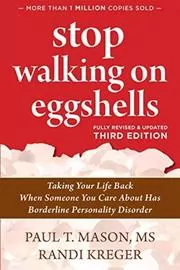
Stop Walking on Eggshells
Taking Your Life Back When Someone You Care About Has Borderline Personality Disorder
For loved ones seeking a framework for boundaries and difficult interactions. Its relationship focus can help organize their concerns, though the conflict-centered framing may feel one-sided to readers looking for the experience of living with BPD.
What it's about
Paul Mason and Randi Kreger guide people navigating relationships affected by borderline personality disorder. The third edition addresses communication, boundaries, conflict, and personal needs, with additional discussion of narcissistic personality disorder and overlapping conditions.
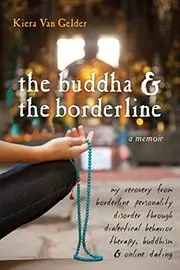
The Buddha and the Borderline
For readers who want a firsthand account that includes therapy, spirituality, and ordinary attempts at connection. Its personal voice gives recovery a lived context, though the Buddhist elements and individual path will not resonate with everyone.
What it's about
Kiera Van Gelder recounts the turmoil preceding her diagnosis with borderline personality disorder and her subsequent recovery. Therapy, Buddhist practice, and sometimes difficult attempts at online dating become parts of her effort to understand suffering and rebuild her life.
For readers who want several firsthand perspectives rather than one account of recovery. Its variety makes differences between people visible, though the shorter contributions offer less detail about any individual’s treatment or longer-term history.
What it's about
Edited by John Gunderson and Perry Hoffman, this collection presents firsthand accounts of living with and recovering from borderline personality disorder. Contributors describe its effects on relationships and daily life, as well as their experiences with therapy and other paths toward recovery.
Coping with BPD
DBT and CBT Skills to Soothe the Symptoms of Borderline Personality Disorder
For readers who want concrete skills organized around everyday difficulties. Its practical format makes it easier to consult selectively than a general overview, though working with exercises takes more participation than reading explanations alone.
What it's about
Blaise Aguirre and Gillian Galen organize practical skills around common challenges of borderline personality disorder. Drawing on dialectical and cognitive behavioral therapies, they address intense emotions, personal limits, negative self-talk, and difficulties that arise in everyday life.
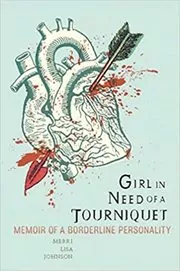
For readers who prefer a literary memoir exploring identity and relationships. Its reflective voice gives it a different texture from instructional guides, though the intense and personal focus offers fewer practical exercises or general explanations.
What it's about
Merri Lisa Johnson examines how borderline personality disorder shaped her life and an emotionally destructive relationship. Her memoir connects experiences from her past with a crisis that led her to seek help and reconsider how she relates to others.
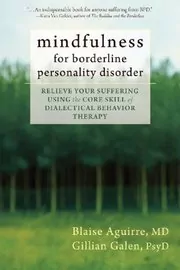
Mindfulness for Borderline Personality Disorder
Relieve Your Suffering Using the Core Skill of Dialectical Behavior Therapy
For readers who want to explore mindfulness through explanations and practice. Its narrow focus gives one DBT skill more space than a broad guide, though it does not cover the full range of DBT skills or treatment approaches.
What it's about
Blaise Aguirre and Gillian Galen introduce mindfulness as a core skill of dialectical behavior therapy. Exercises and accounts from people with borderline personality disorder illustrate ways to observe thoughts and emotions and respond to distress with greater awareness.
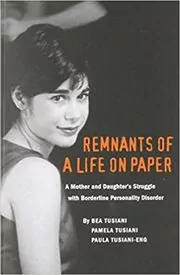
Remnants of a Life on Paper
For readers interested in both a person’s experience of BPD and a family member’s perspective. Its paired accounts broaden the emotional view, though the distressing material and particular family history make it a demanding memoir.
What it's about
Pamela Tusiani’s struggle with borderline personality disorder is told alongside her mother’s account of its impact on their family. Their alternating perspectives reveal both the experience of living with the illness and the challenges faced by those trying to help.
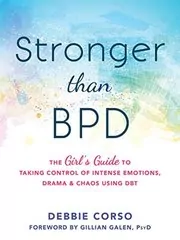
Stronger Than BPD
The Girl's Guide to Taking Control of Intense Emotions, Drama, and Chaos Using DBT
For readers drawn to practical DBT ideas presented through lived experience. Its accessible, personal approach differs from a clinical manual, though the explicitly gendered framing will not fit every reader’s identity or preferences.
What it's about
Debbie Corso combines her experience of borderline personality disorder with an introduction to dialectical behavior therapy. The guide presents skills in mindfulness, distress tolerance, emotional regulation, and relationships for women managing intense feelings and a negative self-image.

The Borderline Personality Disorder Survival Guide: Everything You Need to Know About Living with BPD
For readers who want an organized overview written primarily for people living with BPD. Its explanations connect common questions with approaches to support, though the original publication predates some newer research and resources.
What it's about
Alexander Chapman and Kim Gratz introduce borderline personality disorder for people living with the diagnosis. The guide discusses symptoms, possible contributing factors, treatment approaches, and everyday coping, using explanations and examples to address common questions and misconceptions.
Sources
- 1
Books
on-bpd.ca
- 2
Book List | Personality Disorders
gwscsw.org
- 3
Best Books on Borderline Personality Disorder
choosingtherapy.com
- 4
8 Essential Books on Borderline Personality Disorder
themighty.com
- 5
11 Must-Read Books About Borderline Personality Disorder
katiereed.com
- 6
Book recs for those with BPD
reddit.com
- 7
Selected Books and Publications
neabpd.co.il
- 8
any books or papers on BPD that aren’t terribly outdated?
reddit.com


Edited by
Software engineer whose passion for tracking book recommendations from podcasts inspired the creation of MRB.
Lead investor at 3one4 Capital whose startup expertise and love for books helped shape MRB and its growth.
Comments
Spotted a missing book, a wrong order or a mistake? Tell us and we'll fix this page.
We're a reading guide, not the author or publisher, so we can't send books or pass on messages.