
15 Best Bernard Cornwell Books
The best Bernard Cornwell books, ranked by how many expert sources recommend each one, with notes on who each book suits and which series to start with.
Our take
Bernard Cornwell writes historical fiction in which battles are shaped by leadership, loyalty, and the experience of people expected to do the fighting. His settings vary widely, from Arthur's Britain to the American Revolution and the Napoleonic Wars. The violence is often direct, and his central characters tend to be outsiders negotiating a place within armies, courts, or divided societies.
The main choice is between a continuing character and a complete story. The Last Kingdom begins Uhtred's long journey through Saxon and Danish conflicts. The Winter King opens a shorter Arthurian trilogy, while the Sharpe novels offer two sensible starting points: Sharpe's Tiger comes first in his career, and Sharpe's Eagle was published first. Readers who prefer a standalone can try the medieval campaign of Agincourt or the investigation in Gallows Thief. Fools and Mortals moves away from the battlefield into Shakespeare's theater world. Start with the period that interests you, then follow a series in order if the narrator and setting appeal.
15 books · 8 sources · Last updated
As an Amazon Associate, we earn from qualifying purchases (at no extra cost to you).
Reading Bernard Cornwell in order? See all Bernard Cornwell books in order
How to choose from this list
Skip to the full rankingIf you want Uhtred's story: The Last Kingdom
If you want the Arthurian trilogy: The Winter King → Enemy of God → Excalibur
If you want Sharpe in career order: Sharpe's Tiger
If you want the first published Sharpe novel: Sharpe's Eagle
If you prefer a standalone: Agincourt → Gallows Thief
If you want nonfiction: Waterloo
The 15 books, ranked
Ranked by how many expert sources name each book. Ties go to the book more people recommend.
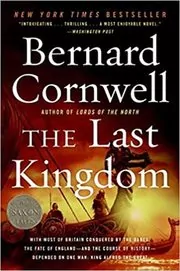
For newcomers who want a long historical series with a divided central loyalty. Uhtred's connection to both Saxons and Danes gives the conflict a personal anchor, though the repeated warfare and strong first-person voice won't suit everyone.
What it's about
In ninth-century England, Uhtred is a Saxon noble’s son raised by Danes, torn between two cultures. When war threatens Alfred’s Wessex, he must choose where his loyalties lie—and what it will cost to reclaim his home.

For readers who want Arthurian legend treated as a struggle over power, faith, and loyalty. Derfel's viewpoint makes this a distinct alternative to the Sharpe novels, though it begins a trilogy and presents a violent, unsettled Britain.
What it's about
In post-Roman Britain, Derfel is rescued and raised among warriors loyal to Arthur, a warlord trying to hold the land together. As kings scheme and Saxon invaders press in, Derfel is drawn into oaths that will shape a legend.

For readers who want a medieval campaign built around an archer's experience. It returns to Thomas of Hookton with a later conflict, though the violence is strong and earlier Grail Quest books give his relationships more context.
What it's about
A decade after earlier campaigns, archer Thomas of Hookton rides into France again with a small band and a dangerous vow. Their path leads toward the Battle of Poitiers, where one bold raid could change the war—or wipe them out.

For readers who want to continue Derfel's account after The Winter King. The competing religious and political loyalties deepen the Arthurian retelling, though this middle volume relies on the first book and leaves the final reckoning for Excalibur.
What it's about
Britain’s fragile peace fractures, and Arthur’s dream of unity starts to look impossible. Derfel fights across kingdoms where old gods, new faith, and personal vendettas collide, and every victory seems to create a fresh betrayal.

For readers who prefer a complete mystery to a long war series. The investigator's outsider position gives the justice-system setting a clear focus, though the social criticism and grim circumstances leave little room for a light detective story.
What it's about
In early 19th-century London, a soldier turned investigator is asked to look into a hanging that feels wrong. The deeper he digs, the more he collides with corruption, crime, and a justice system that wants the case closed.

For readers who want Cornwell's attention to battle applied to nonfiction. Its narrative of decisions and individual experience makes the campaign accessible, though it is a focused account rather than a complete history of the Napoleonic Wars.
What it's about
This narrative history follows the tense days leading to Waterloo, tracing Napoleon’s return, Wellington’s preparations, and the clash that ended an era. Cornwell focuses on battlefield decisions and the people caught in them.

For readers who want one medieval campaign without committing to a series. Its ordinary archer's perspective makes the battle concrete, though the brutality and familiar battlefield plotting can be difficult for readers seeking quieter historical fiction.
What it's about
Longbowman Nicholas Hook is an outlaw given a second chance by joining Henry V’s army. Marching into France, he survives brutal skirmishes and a starving campaign that culminates in the bloody miracle of Agincourt.

For readers already following Nathaniel Starbuck through the American Civil War. Its focus on divided loyalties distinguishes it from Cornwell's British military series, though it works best after Rebel and the wider series remains unfinished.
What it's about
Starbuck survives early disasters and marches into the Peninsula Campaign, where leadership and loyalty are tested daily. As Robert E. Lee rises to command, his unit is pushed toward fights that will decide the war’s direction.

For readers ready to finish the Warlord Chronicles. It brings the trilogy's personal loyalties and struggle for Britain toward their conclusion, though the emotional weight depends on reading the earlier volumes and the warfare remains severe.
What it's about
The wars Arthur has delayed finally arrive in full force, and Derfel marches toward a decisive battle that could save Britain. With friends turning into enemies and prophecy hanging overhead, the legend reaches its grim, hard-earned climax.

Redcoat
For readers interested in the American Revolution from inside the British army. Its setting offers an alternative to the better-known Sharpe books, though shifting loyalties and military danger give it a darker tone than a straightforward adventure.
What it's about
In 1777, British soldier Richard Gilpin marches through the Philadelphia campaign of the American Revolution. Battles, desertions, and shifting loyalties test his nerve as he learns what empire looks like from the muddy end of a musket.

For readers who want to meet Sharpe through the first novel Cornwell published. Its concentrated campaign introduces his struggle for respect as an officer, though it starts later in his career than Sharpe's Tiger.
What it's about
After Talavera, Sharpe is ordered to seize an enemy battle standard—an eagle that could restore a disgraced regiment’s honor. Outnumbered and mistrusted, he fights for his reputation as much as for victory.

For readers who like Cornwell's historical settings but want a break from military campaigns. Its theater-world perspective gives ambition and rivalry a smaller stage, though readers looking for large battles may find the change of pace less satisfying.
What it's about
In Elizabethan London, Richard Shakespeare is pulled into the cutthroat theatre world of his older brother. When a rival company steals a new play, Richard joins the chase through taverns, backstreets, and backstage politics.

For readers who want to follow Richard Sharpe from the earliest stage of his military career. The Indian setting distinguishes it from the Peninsular novels, though colonial warfare and harsh treatment of soldiers make it a brutal introduction.
What it's about
In 1799 India, private Richard Sharpe fights in a brutal siege while dodging a vicious sergeant who wants him dead. Survival depends on nerve, luck, and learning how to bend army rules without snapping.

The Fort
For readers interested in how divided leadership can undo a military operation. Its multiple perspectives offer a different experience from Uhtred's narration, though the emphasis on failure and command decisions gives it a less triumphant mood.
What it's about
In 1779, a disastrous American expedition sails to capture a British fort in Maine, and everything that can go wrong does. Seen from multiple sides, the siege becomes a lesson in leadership, fear, and how war punishes bad plans.

For readers who want Sharpe already leading riflemen in the Peninsular War. It offers a direct introduction to the military partnership and command pressures, though its position in the chronology leaves earlier career episodes to discover elsewhere.
What it's about
At the start of the Peninsular War, Sharpe joins an elite rifle unit during the retreat to Corunna. Leading hard-bitten men behind enemy lines, he learns that courage isn’t enough when commanders are incompetent.
Sources
- 1
10 Best Bernard Cornwell Books (2025) - A Must-Read?
ereads.com
- 2
10 Best Bernard Cornwell Books For Historical Fiction Fans
lostbooks.org
- 3
BOOKS BY BERNARD CORNWELL | Bernard Cornwell
bernardcornwell.net
- 4
Bernard Cornwell: Complete Author Guide & Books in Order · The Napoleonic Archive
napoleonicarchive.com
- 5
Bernard Cornwell Books
goodreads.com
- 6
Books by Bernard Cornwell and Complete Book Reviews
publishersweekly.com
- 7
Bernard Cornwell books?
reddit.com
- 8
Is bernard cornwell this good always
reddit.com








Edited by
Software engineer whose passion for tracking book recommendations from podcasts inspired the creation of MRB.
Lead investor at 3one4 Capital whose startup expertise and love for books helped shape MRB and its growth.
Comments
Spotted a missing book, a wrong order or a mistake? Tell us and we'll fix this page.
We're a reading guide, not the author or publisher, so we can't send books or pass on messages.