
16 Best Toni Morrison Books
The best Toni Morrison books, ranked by how many expert sources recommend each one, with notes on who each suits and where to begin her fiction and essays.
Our take
Toni Morrison’s books explore how people carry the histories of families, communities, and a country into their most intimate relationships. Her fiction moves between remembered experience, folklore, and the pressures of racism, often allowing several voices to reshape what a reader thinks they know. These are books to read with attention, whether you begin with a short novel or a wider family story.
Sula concentrates on friendship and the demands of a community, while Song of Solomon opens into a journey through ancestry. Beloved asks more of readers through its fractured memories and painful history. The novels can be read independently; reading them all in publication order is optional. For nonfiction, Playing in the Dark offers literary criticism, while The Source of Self-Regard gathers a broader range of essays and speeches. Begin with Sula for a compact introduction, or The Bluest Eye to start with her debut.
16 books · 8 sources · Last updated
As an Amazon Associate, we earn from qualifying purchases (at no extra cost to you).
Reading Toni Morrison in order? See all Toni Morrison books in order
How to choose from this list
Skip to the full rankingIf you’re new to her fiction: Sula → Song of Solomon
If you want to begin with her debut: The Bluest Eye → Sula
If you’re ready for layered histories: Beloved → Jazz → Paradise
If you want literary criticism: Playing in the Dark → The Origin of Others
If you prefer a short form: Recitatif → Home
If you’re reading with younger readers: Remember
The 16 books, ranked
Ranked by how many expert sources name each book. Ties go to the book more people recommend.
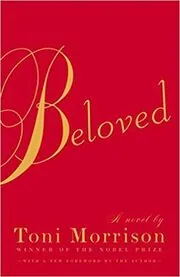
Beloved
For readers ready for a demanding encounter with memory and slavery’s aftermath. Its shifting voices make the past feel present, though the fragmented chronology and depictions of violence make it an emotionally difficult starting point.
What it's about
Sethe, once enslaved and now living in post–Civil War Ohio, is haunted by the child she lost and the past she cannot outrun. When a mysterious young woman called Beloved appears, memory, grief, and haunting take on devastating new forms.
Also recommended by
2 people Shonda Rhimes recommended this book
Shonda Rhimes
"The God of all writing." - Shonda Rhimes
Shonda Rhimes's recommendation of this book  Tavi Gevinson recommended this book
Tavi Gevinson
"[I recommend this book] because everything." - Tavi Gevinson
Tavi Gevinson's recommendation of this book
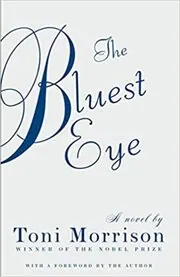
The Bluest Eye
For readers who want to begin with Morrison’s first novel and its examination of beauty and belonging. The concentrated focus makes a clear entry point, though its depictions of racism and child abuse are deeply distressing.
What it's about
In 1940s Ohio, eleven-year-old Pecola Breedlove prays for blue eyes, believing they will make her lovable. Through her story and the neighborhood girls who watch her, the novel reveals how racism twists beauty, family, and self-worth.
Also recommended by
2 people Oprah Winfrey recommended this book
Oprah Winfrey
"One of the things [the author is] able to do in this book is [to let] people know that they are not alone." - Oprah Winfrey
Oprah Winfrey's recommendation of this book  Diane Rehm recommended this book
Diane Rehm
"The story of a young girl growing up in the years following the Great Depression and who is convinced that her blackness makes her ugly and worthless." - Diane Rehm
Diane Rehm's recommendation of this book
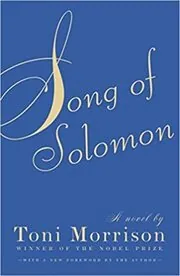
Song of Solomon
For readers who want a family story with the scope of a quest. Its blend of folklore, ancestry, and coming of age provides an expansive introduction to Morrison, though its layered histories reward slow reading.
What it's about
Macon Dead, nicknamed Milkman, grows up cushioned by his family’s wealth but haunted by a feeling of weightlessness. When he sets out to trace his ancestors, the journey pulls him into buried histories, dangerous secrets, and a hard-won sense of flight.
Also recommended by
5 people Michelle Obama recommended this book
Michelle Obama
"I’ve now read [this book] three times." - Michelle Obama
Michelle Obama's recommendation of this book - Oprah Winfrey recommended this book
Oprah Winfrey
"Fills me with admiration and awe." - Oprah Winfrey
Oprah Winfrey's recommendation of this book  Barack Obama recommended this book
Barack Obama
On the "favorite books" section of Barack Obama's Facebook profile.
Barack Obama's recommendation of this book 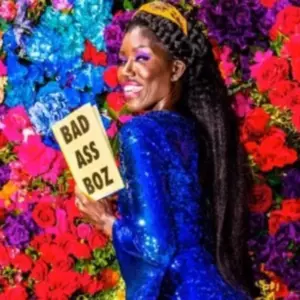 Bozoma Saint John recommended this book
Bozoma Saint John
"I love [this book]. Her writing style is incredibly poetic and complex." - Bozoma Saint John
Bozoma Saint John's recommendation of this book  Jesse Williams recommended this book
Jesse Williams
"The characters’ dilemmas just rocked my world in high school." - Jesse Williams
Jesse Williams's recommendation of this book
Sula
For newcomers drawn to friendship, independence, and the judgments of a close community. Its compact scale offers an approachable route into Morrison’s moral complexity, though the emotional intensity leaves little room for a comforting reading experience.
What it's about
Sula Peace and Nel Wright grow up as inseparable friends in a Black community called the Bottom. As they age, betrayal, desire, and tragedy test their bond, exposing how personal choices collide with a town’s unforgiving moral code.
Also recommended by
2 people- Oprah Winfrey recommended this book
Oprah Winfrey
"There would have been no Oprah's Book Club if this woman had chosen not to share her love of words with the world." - Oprah Winfrey
Oprah Winfrey's recommendation of this book  John Green recommended this book
John Green
"[Gets] better every time I read [it]." - John Green
John Green's recommendation of this book
Paradise
For readers already comfortable with Morrison’s layered communities and unresolved questions. Its broad cast opens a demanding exploration of exclusion and belonging, though the shifting timelines and withheld information make it a challenging introduction.
What it's about
In the all-Black town of Ruby, Oklahoma, a group of men storm a nearby former convent where several troubled women live. The novel unravels how history, color, faith, and fear collide in a community determined to protect itself at any cost.
Also recommended by
1 person- Oprah Winfrey recommended this book
Oprah Winfrey
"Worth waiting for." - Oprah Winfrey
Oprah Winfrey's recommendation of this book
For readers who want Morrison’s thoughts on language, politics, and the work of writing. The range offers several ways into her nonfiction, though speeches and essays create a less continuous experience than a single sustained argument.
What it's about
Gathering speeches, essays, and meditations from across her career, this collection ranges from literary criticism to reflections on race, politics, and art. It shows Morrison thinking aloud about language, memory, and the responsibilities that come with telling stories.
Also recommended by
1 person- Barack Obama recommended this book
Barack Obama
Barack Obama's favorite books of 2019 list.
Barack Obama's recommendation of this book
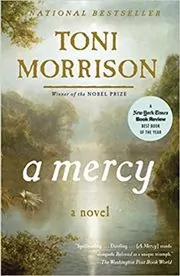
A Mercy
For readers interested in colonial America and the relationships shaped by dependence and ownership. Its short, many-voiced form concentrates a large historical world, though the changing narrators require close attention rather than a quick read.
What it's about
In late seventeenth-century North America, a young enslaved girl named Florens is given away by her mother to a trader. Through intersecting voices, the book reveals a world where slavery, indenture, and land hunger are still taking shape, yet already scarring lives.
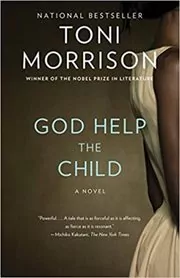
God Help the Child
For readers drawn to a contemporary setting and the long reach of childhood harm. Its brief, concentrated narrative gives a different entry into Morrison’s fiction, though its emotional severity should not be mistaken for light reading.
What it's about
Bride, a successful cosmetics executive with striking blue-black skin, seems to have left her painful childhood behind. As her relationship collapses and buried memories resurface, she must face what was done to her and what she did to others.
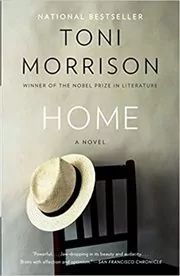
Home
For readers who prefer a short novel with a journey at its center. Its compressed form connects family obligation with war and racism, though the spare telling asks you to sit with painful gaps and revelations.
What it's about
Frank Money, a Korean War veteran, comes back to a segregated America and a Georgia hometown that no longer feels safe. When he learns his sister is in danger, the trip to rescue her forces him to confront both trauma and shame.
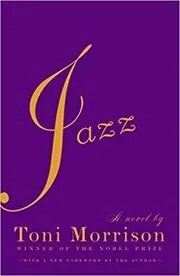
Jazz
For readers who enjoy a narrator that revisits and revises a story. Its musical movement gives voice and structure unusual importance, though the changing perspectives can be disorienting if you prefer a stable account.
What it's about
In 1920s Harlem, salesperson Joe Trace shoots his teenage lover, and his wife Violet later attacks the dead girl’s body at the funeral. The story circles through shifting voices, echoing jazz music as it explores love, jealousy, and reinvention.
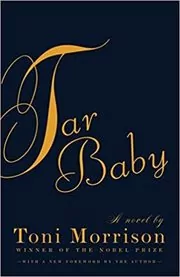
Tar Baby
For readers interested in relationships shaped by class, cultural loyalty, and competing ideas of freedom. Its island setting brings social tensions into a concentrated space, though the characters’ conflicts resist simple judgments or reassuring resolutions.
What it's about
On a lush Caribbean island, Jadine, a fashion model educated in Europe, and Son, a drifter from the American South, are pulled into an intense affair. Their clash over race, class, and belonging exposes deep fractures in every world they share.
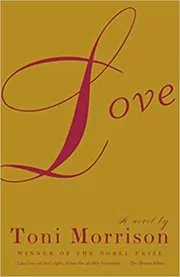
For readers interested in the competing memories that outlive a powerful person. Its interwoven perspectives complicate ideas of intimacy and possession, though the relationships and chronology take time to assemble into a coherent picture.
What it's about
Years after charismatic hotel owner Bill Cosey’s death, the women tied to him circle one another in a decaying seaside town. As old resentments surface, the story pieces together how love, friendship, and betrayal shaped their lives around one powerful absence.
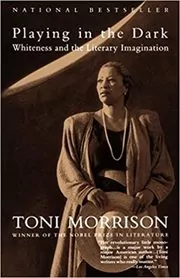
For readers interested in literary criticism and how race shapes American storytelling. Its concentrated argument offers a different way to read familiar writers, though the analytical prose and literary references demand more attention than casual essays.
What it's about
This slim work of criticism looks at how major white American writers imagined Blackness in their fiction. Morrison traces an Africanist presence on the page, asking what it reveals about power, fear, and national storytelling.
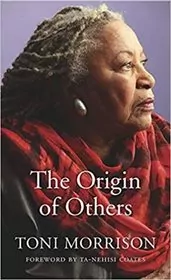
The Origin of Others
For readers who want a focused nonfiction introduction to Morrison’s thinking about race and belonging. Its lecture-based form keeps the central questions close, though the compressed literary analysis rewards familiarity with the writers she discusses.
What it's about
Based on a series of lectures, this book examines how stories create ideas of stranger and kin, insider and outsider. Morrison connects literature, history, and personal memory to show how race and otherness are imagined and enforced.
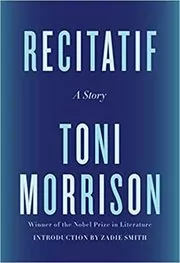
For readers curious about how a short story can expose assumptions about race. Its deliberate ambiguity invites discussion and rereading, though anyone wanting clear answers about the characters’ identities will find that expectation challenged.
What it's about
Twyla and Roberta meet as girls in a shelter and encounter one another again and again over the years. The story never states which woman is Black or white, unsettling how readers use race to fill in the gaps of memory.
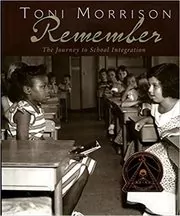
For younger readers and adults seeking an illustrated introduction to school desegregation. Archival photographs make the history concrete, though Morrison’s imagined voices should be distinguished from documented quotations or the actual thoughts of those pictured.
What it's about
Combining archival photographs with spare, powerful text, this book looks at school desegregation during the civil rights era. Morrison asks young readers to imagine the courage it took to walk into hostile classrooms in order to claim an education.
Sources
- 1
15 Best Toni Morrison Books: Where to Start
reedsy.com
- 2
Best of: All of Toni Morrison's Works (24 books)
goodreads.com
- 3
Toni Morrison Books To Read Right Now
penguinrandomhouse.com
- 4
The Greatest Toni Morrison Books, Ranked And In Order
forbes.com
- 5
8 Of The Best Toni Morrison Books In Order
whatwereading.com
- 6
Which Toni Morrison book should I start with?
reddit.com
- 7
This Toni Morrison pile has been eyeing me for a while which one should I start?
reddit.com
- 8
How to start reading Nobel laureate Toni Morrison's work
wusf.org






Edited by
Software engineer whose passion for tracking book recommendations from podcasts inspired the creation of MRB.
Lead investor at 3one4 Capital whose startup expertise and love for books helped shape MRB and its growth.
Comments
Spotted a missing book, a wrong order or a mistake? Tell us and we'll fix this page.
We're a reading guide, not the author or publisher, so we can't send books or pass on messages.