
13 Best Woodworking Books
The best woodworking books, ranked by how many expert sources recommend each one, with notes on beginner courses, hand tools, joinery, design, and finishing.
Our take
Woodworking books help with different parts of the same craft. A beginner may need a sequence for preparing wood and making accurate joints, while someone with several projects completed may want help understanding movement, choosing a finish, or developing a design. General manuals provide breadth; specialist books are easier to consult when a particular problem appears.
Woodworking Basics offers a structured introduction, and The Complete Book of Woodworking combines techniques with a larger selection of projects. The Essential Woodworker suits readers drawn to traditional hand-tool methods. For a deeper understanding of the material, try Understanding Wood. The Joint Book and Understanding Wood Finishing concentrate on specific decisions that broad guides cover more briefly. A Cabinetmaker's Notebook and The Why & How of Woodworking turn toward design, purpose, and the experience of making. Good Clean Fun brings humor and varied workshop projects into the mix. Start with one course and a manageable project, then add a reference when you know what you need it to explain.
13 books · 8 sources · Last updated
As an Amazon Associate, we earn from qualifying purchases (at no extra cost to you).
How to choose from this list
Skip to the full rankingIf you're starting from the basics: Woodworking Basics → The Complete Book of Woodworking
If you want to work mainly with hand tools: The Essential Woodworker → The Anarchist's Tool Chest
If you want to understand the material: Understanding Wood
If you're choosing joints and finishes: The Joint Book → Understanding Wood Finishing
If you want to develop design judgment: The Why & How of Woodworking → A Cabinetmaker's Notebook
If you want workshop stories and varied projects: Good Clean Fun
The 13 books, ranked
Ranked by how many expert sources name each book. Ties go to the book more people recommend.
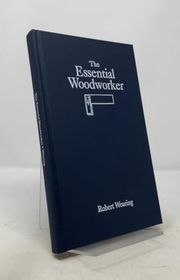
The Essential Woodworker
For beginners drawn to learning furniture-making skills with hand tools. Its careful sequence makes preparation and joinery more explicit than a broad survey, though the traditional methods and British terminology require patience and hands-on practice.
What it's about
Robert Wearing introduces practical hand-tool woodworking through the preparation and construction of solid-wood furniture. Drawings and explanations follow accurate marking, sawing, planing, and joint-making, showing how individual operations fit together in an organized approach to building.
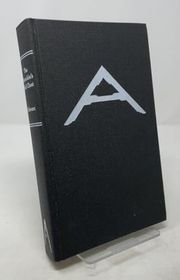
The Anarchist's Tool Chest
For readers reconsidering how many tools they need and how to choose them. The combination of tool discussion, workshop philosophy, and chest construction gives a coherent alternative to shopping-led advice, though its hand-tool emphasis is selective.
What it's about
Christopher Schwarz describes a core set of hand tools for furniture making and the reasoning behind selecting and maintaining them. The book also follows the construction of a traditional tool chest, connecting practical storage with an approach to craft.

The Complete Book of Woodworking
Step-by-Step Guide to Essential Woodworking Skills, Techniques, Tools and Tips
For beginners who want techniques and project plans in one broad reference. Its illustrated coverage makes it easier to connect a skill with something to build, though the breadth offers less detail than a specialist joinery or finishing book.
What it's about
Tom Carpenter and Mark Johanson introduce workshop setup, tools, design principles, and essential woodworking techniques. Photographs and diagrams accompany forty project plans for furnishings, accessories, and outdoor or workshop items, allowing readers to practice skills through finished pieces.
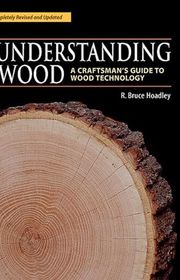
Understanding Wood
For woodworkers who want to understand why the material changes shape and behaves unpredictably. Its explanation of wood structure and moisture gives a deeper foundation than project manuals, though the technical detail makes it a reference to study gradually.
What it's about
R. Bruce Hoadley explains wood as a material, connecting its structure with moisture, strength, movement, and working properties. Discussions of selecting, drying, machining, joining, and finishing timber help readers understand why wood behaves differently under changing conditions.
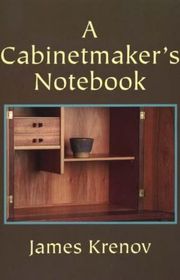
A Cabinetmaker's Notebook
For woodworkers who want to think more carefully about design, material, and workmanship. Krenov’s personal reflections offer a different kind of guidance from a technical manual, though readers seeking measured plans and systematic instruction should choose another starting point.
What it's about
James Krenov reflects on cabinetmaking through his experience of working with wood and creating furniture. Photographs, drawings, and personal observations explore material selection, design decisions, tools, and the relationship between the maker and the finished object.

The Complete Manual of Woodworking
A Detailed Guide to Design, Techniques, and Tools for the Beginner and Expert
For readers who want a lasting reference on materials, tools, and construction methods. Its detailed illustrations support deeper consultation than a simple project book, though the wide coverage can overwhelm someone looking for a carefully sequenced first lesson.
What it's about
Albert Jackson and David Day survey woodworking materials, tools, and techniques in an illustrated reference. Drawings, diagrams, and photographs accompany guidance on choosing woods, using hand tools, and methods including jointing, bonding, fastening, and laminating.

For woodworkers who need a compact reference when choosing or reviewing a joint. Its focused drawings make comparisons easier than in a large general manual, though it offers less guidance on developing a complete furniture design.
What it's about
Terrie Noll introduces wood joinery through a practical reference to designing and constructing different joints. Sections cover edge joints, mortise-and-tenon work, miters, dovetails, dowels, biscuits, and hardware, alongside guidance on accuracy and organization.

For woodworkers who are ready to understand finishing materials rather than follow an unexplained recipe. Its focused explanations offer more depth than the finishing chapters in general manuals, though the range of choices takes time to absorb.
What it's about
Bob Flexner explains how to select and apply wood finishes, combining practical instruction with discussion of different materials. The guide considers preparation, stains, and finishing choices, helping woodworkers understand the processes behind a finished surface.

Woodworking Basics: Mastering the Essentials of Craftsmanship
For beginners who prefer a guided course to browsing a large reference. The emphasis on learning core skills through projects gives practice a clear progression, though developing those skills takes workshop time rather than reading alone.
What it's about
Peter Korn introduces woodworking tools and methods through a structured approach to craftsmanship. Illustrated lessons connect preparation, accurate cutting, joinery, and assembly with projects designed to help readers develop fundamental skills and sound working habits.

For readers who want projects alongside a sense of workshop life and community. The humor and varied makers offer more personality than a conventional manual, though the range of projects makes it less systematic as a beginner’s course.
What it's about
Nick Offerman opens the doors of Offerman Woodshop, blending humorous essays, shop lore, and step by step projects to show why woodworking still matters. From spoons to canoes, he celebrates patient craft, mistakes included, and the joy of making things that last.

For makers who want design choices and careful workmanship connected to useful objects. The reflective approach gives projects more purpose than a plan collection, though beginners may need a broader technical reference alongside its selective examples.
What it's about
Michael Pekovich combines woodworking philosophy with practical guidance for creating useful, lasting objects. Instructions cover selecting lumber, cutting joinery, and finishing surfaces, with projects including cabinets, boxes, chests, and tables that reflect his emphasis on simplicity.

For readers who want a substantial set of furnishing projects supported by illustrated techniques. The project emphasis gives skills a practical setting, though it overlaps other general manuals and is less focused than a dedicated first course.
What it's about
Tom Carpenter guides readers from choosing wood and setting up a workshop through cutting, joinery, assembly, and finishing. Illustrated instructions accompany forty-one home-furnishing plans, connecting lessons in tools and techniques with projects that put the methods into practice.

Great Book of Woodworking Tips
Over 650 Ingenious Workshop Tips, Techniques, and Secrets from the Experts at American Woodworker
For woodworkers who already have a basic routine and want solutions to recurring shop problems. The short tips are easy to consult during a project, though the browsing format does not replace a structured introduction to the craft.
What it's about
Randy Johnson brings together illustrated woodworking tips and techniques from American Woodworker contributors. The collection presents practical workshop ideas in a compact reference format, drawing on reader-written approaches tested in the shop.
Sources
- 1
Essential Woodworking Books
woodwiki.org
- 2
Woodworking Books
goodreads.com
- 3
Best Woodworking Books for Beginners
grainandglue.com
- 4
Woodworking Books for Beginners - Comments by Bill Schuchat
slwg.org
- 5
What is "the only book you will ever need" for woodworking?
reddit.com
- 6
Any recommendations for beginner woodworking books?
reddit.com
- 7
The Best Woodworking Books for Honing Your Craft
bobvila.com
- 8
Top 10 books for beginner woodworkers
canadianwoodworking.com




Edited by
Software engineer whose passion for tracking book recommendations from podcasts inspired the creation of MRB.
Lead investor at 3one4 Capital whose startup expertise and love for books helped shape MRB and its growth.
Comments
Spotted a missing book, a wrong order or a mistake? Tell us and we'll fix this page.
We're a reading guide, not the author or publisher, so we can't send books or pass on messages.