
6 Best Art Therapy Books
The best art therapy books, ranked by how many expert sources recommend each, with notes for students, practitioners, and readers exploring creativity.
Our take
Art therapy books serve several audiences, from students learning a clinical discipline to readers using images and materials for personal reflection. Those purposes overlap, but a professional handbook and a creative self-exploration guide offer different kinds of help. Some authors concentrate on visual art, while others connect it with movement, sound, storytelling, and other expressive forms.
Handbook of Art Therapy provides a professional survey through theories and clinical examples. The Art Therapy Sourcebook offers a more accessible introduction with activities, while Art Is a Way of Knowing: A Guide to Self-Knowledge and Spiritual Fulfillment through Creativity and The Soul's Palette: Drawing on Art's Transformative Powers take a more reflective and spiritual direction. Art Heals: How Creativity Cures the Soul emphasizes the creative process across expressive forms. Begin with the sourcebook for orientation or the handbook for professional study, then choose a more specialized text or personal creative practice according to your purpose.
6 books · 8 sources · Last updated
As an Amazon Associate, we earn from qualifying purchases (at no extra cost to you).
How to choose from this list
Skip to the full rankingIf you want an accessible introduction: The Art Therapy Sourcebook
If you're studying professional practice: Handbook of Art Therapy
If you want personal creative reflection: Art Is a Way of Knowing → The Soul's Palette
If you want a broader expressive-arts perspective: Art Heals
If you're studying trauma-focused practice: Handbook of Art Therapy → Trauma and Expressive Arts Therapy
The 6 books, ranked
Ranked by how many expert sources name each book. Ties go to the book more people recommend.

The Art Therapy Sourcebook
For readers seeking an accessible introduction to art therapy alongside creative activities. It connects the field's ideas with practical exploration more directly than the handbook, though a general guide cannot supply the training needed for clinical practice.
What it's about
Cathy Malchiodi introduces art therapy and offers activities for exploring feelings through visual expression. Guidance on materials, spontaneous imagery, and creative exercises connects art-making with self-understanding, stress, grief, and personal growth.

Handbook of Art Therapy
For art therapy students and practitioners who want an overview of theories, populations, and applications. Its case-based chapters provide a broader professional foundation than the personal exercise books, though the textbook depth assumes clinical interests and background.
What it's about
Edited by Cathy Malchiodi, this handbook surveys art therapy theories and applications through clinical cases and examples of artwork. Chapters address work with children, adults, couples, families, and groups, alongside research, assessment, and responses to varied psychological and medical challenges.

Art Is a Way of Knowing
A Guide to Self-Knowledge and Spiritual Fulfillment through Creativity
For readers who want personal creative exploration rather than a clinical reference. Its stories and exercises make art-making approachable without technical artistic training, though the spiritual framing and reflective pace will not suit everyone.
What it's about
Pat B. Allen presents art-making as a route to self-understanding and spiritual exploration. Personal stories and creative exercises invite readers to work with images, memories, recurring patterns, and imagination through drawing, journaling, and other artistic practices.
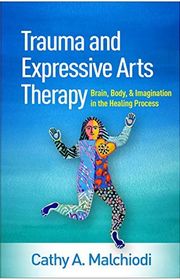
Trauma and Expressive Arts Therapy: Brain, Body, and Imagination in the Healing Process
For clinicians and advanced students examining expressive approaches to trauma work. Its integration of sensory experience, creative modalities, and case material gives a more specialized framework than the introductory books, though it assumes professional judgment and trauma-related training.
What it's about
Cathy Malchiodi explores trauma-focused expressive arts therapy through clinical examples and discussion of sensory experience, the body, and imagination. Art, movement, sound, and related practices appear within a professional framework concerned with safety, regulation, and meaning-making.

For readers interested in expressive arts as an open-ended process rather than a sequence of prescribed tasks. McNiff's philosophical and experiential approach encourages reflection, though the broad language of healing offers less structure than a clinical manual.
What it's about
Shaun McNiff explores creativity as a process of personal healing through expressive arts. Drawing, painting, movement, storytelling, and drumming provide ways to work with imagination and emotion, with attention to group practice and the role of the therapist.

For readers drawn to art-making as emotional and spiritual exploration. Its range of creative exercises offers a personal route distinct from professional case studies, though the intuitive approach is less suited to readers seeking a systematic clinical textbook.
What it's about
Cathy Malchiodi explores art-making as a practice for emotional and spiritual discovery. Exercises in drawing, painting, sculpture, collage, and journaling encourage readers to develop intuition, notice personal symbols, and create space for inspiration and spontaneity.
Sources
- 1
Expressive Arts Books
expressiveartworkshops.com
- 2
Books & Publications
cathymalchiodi.com
- 3
Resources - Creativity in Therapy
creativityintherapy.com
- 4
Art Therapy Books
goodreads.com
- 5
Art therapy books
reddit.com
- 6
7 of the Best Art Therapy Books for Therapists
orchid.exchange
- 7
Art Therapy Library - Page 2
arttherapyonline.org
- 8
Art Therapy Library
arttherapyonline.org







Edited by
Software engineer whose passion for tracking book recommendations from podcasts inspired the creation of MRB.
Lead investor at 3one4 Capital whose startup expertise and love for books helped shape MRB and its growth.
Comments
Did we miss something? Have feedback?
Help us improve this page by sharing your thoughts