
16 Best Acupressure Books
The best acupressure books, ranked by how many expert sources recommend each one, with notes on visual guides, point references, and traditional approaches.
Our take
Acupressure books differ in what they teach and how they organize it. Some introduce finger pressure through photographs and short routines; others explain point locations, channel theory, or a particular bodywork tradition. These books can help curious beginners compare approaches and give students references to accompany instruction. Their descriptions of traditional functions and claimed benefits also need to be read as the authors’ approaches, rather than as interchangeable statements of clinical evidence.
Acupressure's Potent Points offers an illustrated introduction, while Acupuncture Points Handbook and The Acupressure Atlas give more space to reference and location. Meridian Qigong Exercises combines movement with point work. Acupressure Way of Health introduces Jin Shin Do, and Zen Shiatsu explores a Japanese channel-based bodywork tradition. The Way of the Five Elements takes a slower route through seasonal and traditional associations.
Start with a clear illustrated introduction, then choose a point reference or a tradition-specific text according to what you want to study.
16 books · 7 sources · Last updated
As an Amazon Associate, we earn from qualifying purchases (at no extra cost to you).
How to choose from this list
Skip to the full rankingIf you want an illustrated introduction: Acupressure's Potent Points → The Acupressure Atlas
If you want a point reference: Acupuncture Points Handbook → Tsubo
If you want movement alongside point work: Meridian Qigong Exercises
If you want to study traditional channel frameworks: Basic Acupressure → The Way of the Five Elements
If you want Japanese pressure-based bodywork: Zen Shiatsu → The Complete Book of Shiatsu Therapy
If you want to explore Jin Shin Do: Acupressure Way of Health
The 16 books, ranked
Ranked by how many expert sources name each book. Ties go to the book more people recommend.

For visual learners who want photographs and point maps alongside short routines. The step-by-step format provides an accessible entry point, though a general self-care manual offers less anatomical detail than an atlas or supervised instruction.
What it's about
Michael Reed Gach introduces acupressure through photographs, pressure-point maps, and step-by-step exercises. Organized around common ailments and symptoms, the guide explains point locations, pressure techniques, a short wellness routine, and ways to record personal progress.

Acupressure for Emotional Healing
A Self-Care Guide for Trauma, Stress, & Common Emotional Imbalances
For readers interested in how the authors connect point work with breathing, movement, and emotional self-care. Its concern-based organization differs from a general atlas, though its therapeutic claims need separate evaluation from the clarity of its instructions.
What it's about
Michael Reed Gach and Beth Ann Henning present acupressure routines organized around emotional concerns. Illustrated point locations, breathing, stretching, and movement exercises accompany case histories, explaining the authors' approach to self-care and supporting others through bodywork.

Acupressure and Reflexology For Dummies
For newcomers who want acupressure and reflexology introduced together in a familiar reference format. The broad overview helps compare approaches, though covering both traditions leaves less room for the detail of a dedicated point atlas.
What it's about
Synthia Andrews and Bobbi Dempsey introduce acupressure and reflexology with illustrations and step-by-step routines. The guide explains the traditions' basic principles, point locations, and approaches to physical and emotional concerns, alongside advice on finding professional help.

For beginners who want a plainly organized introduction built around common concerns. Its point combinations give more direction than a location-only handbook, though the breadth of suggested uses can obscure differences between traditional explanations and clinical evidence.
What it's about
Deborah Bleecker explains how to locate and use acupressure points in a guide organized by common health concerns. Introductory sections cover Chinese medicine, meridians, and ear acupressure, followed by the author's suggested point combinations and supplementary approaches.
Acupressure Way of Health
For readers interested in Jin Shin Do as a particular approach to point work. Its explanations connect touch with intention and traditional concepts, though its point-numbering system differs from standard Chinese acupuncture references and can complicate comparison.
What it's about
Teeguarden introduces Jin Shin Do acupressure through explanations of its basic concepts and point work. Written for lay readers, the book presents an approach to touch and body awareness within the author’s particular traditional framework.

Acupuncture Points Handbook
A Patient's Guide to the Locations and Functions of over 400 Acupuncture Points
For readers who want a reference for point names, locations, and traditional functions. Its broad coverage supports looking things up beyond a single routine, though descriptions and diagrams cannot always resolve uncertainty about locating a point.
What it's about
Deborah Bleecker introduces the locations and traditional functions of more than 400 acupuncture points. Written for readers without professional acupuncture training, the handbook uses plain-language explanations to make point terminology and the author's account of their uses easier to understand.

For readers interested in Vora’s palm-and-sole approach and its relationship to reflexology. It presents a distinct system rather than a standard channel atlas, though its broader natural-therapy claims should not be confused with established diagnostic evidence.
What it's about
Devendra Vora presents his approach to acupressure, reflexology, and other natural therapies. This first volume focuses on pressure points in the palms and soles, explaining the author's model of their relationship to the body and routines for self-care.

For readers who prefer a movement routine combining several traditional practices. Its seated and lying-down exercises offer a different structure from symptom-based point guides, though the mixture of qigong, yoga, and acupressure makes it less specialized.
What it's about
Yang Jwing-Ming presents a daily routine combining qigong movements, yoga stretches, and acupressure. Designed to be practiced while lying down or sitting, the exercises introduce traditional meridians and point stimulation alongside gentle movement drawn from his teaching experience.
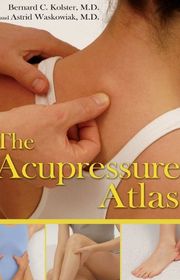
The Acupressure Atlas
For readers who want a visually organized reference with step-by-step photographs for individual and partner practice. Its atlas format offers more location detail than a brief introduction, though the range of therapeutic claims requires critical reading.
What it's about
Kolster and Waskowiak present an illustrated reference to acupressure points and techniques. Full-color photographs accompany step-by-step routines for individual and partner use, with material organized around the authors’ traditional framework and a range of physical concerns.
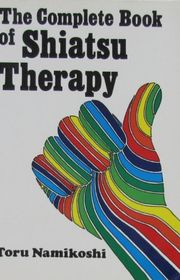
The Complete Book of Shiatsu Therapy
For readers who want a systematic introduction to Namikoshi’s approach to Japanese pressure therapy. Its emphasis on bodily structure distinguishes it from more explicitly channel-centered texts, though shiatsu involves broader bodywork than an introductory acupressure routine.
What it's about
Namikoshi presents shiatsu through discussions of physiology, body structure, and pressure techniques. The guide explains his approach to applying touch across the body, combining background material with practical instruction within a particular Japanese bodywork tradition.
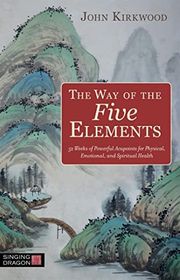
The Way of the Five Elements
For readers who want a paced introduction to points through seasons and Five Element associations. The weekly structure encourages sustained study, though its poetic and traditional interpretation is less suited to readers seeking a concise anatomical reference.
What it's about
Kirkwood introduces a different acupoint for each week of the year, organized through seasons and Five Element theory. Point photographs accompany reflections on names, traditional associations, and the author’s interpretations of physical, emotional, and spiritual connections.
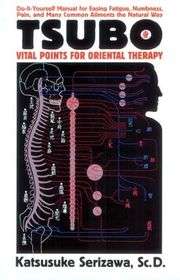
Tsubo
For readers who want point locations explained through a Japanese bodywork perspective. Its diagrams connect the idea of tsubo with several techniques, though readers seeking a single standardized acupressure routine may find the mixed approaches less direct.
What it's about
Serizawa introduces tsubo, the vital points described in Japanese therapeutic traditions. Text and diagrams explain their locations and discuss their use across massage, shiatsu, and related practices, giving readers a reference to this particular point-based framework.
Zen Shiatsu
For bodywork students who want the channel theory behind a Japanese pressure-based practice. Its attention to meridians and traditional assessment gives more conceptual depth than a short self-care guide, though it assumes an interest in shiatsu itself.
What it's about
Masunaga and Ohashi explain shiatsu through meridians, yin and yang, and the traditional distinctions of kyo and jitsu. The book connects those concepts with bodywork practice, presenting a Japanese system that extends beyond pressing isolated points.

For beginners who want illustrated introductions to point location and finger pressure. Its straightforward routines suit an initial overview, though readers seeking extensive channel theory or a reference covering hundreds of points will need greater depth.
What it's about
Jacqueline Young introduces acupressure through illustrated instructions for locating points and applying finger or thumb pressure. The guide presents routines for the face, emotions, everyday discomforts, and whole-body practice, explaining the approach in language intended for beginners.

For readers already familiar with basic points who want to explore extraordinary channels within traditional practice. Its narrower theoretical focus complements introductory manuals, though the terminology and diagnostic traditions make it a less direct starting point.
What it's about
Michael Reed Gach presents an illustrated guide to acupressure points and the extraordinary channels of traditional Chinese practice. Topics include energy balancing, master and anchor points, treatment preparation, quick formulas, and introductory approaches to face and pulse reading.

The Essential Step-by-Step Guide to Acupressure with Aromatherapy
Relief for 64 Common Health Conditions
For readers specifically interested in combining point routines with aromatherapy. The photographs give the two practices a shared instructional format, though readers wanting acupressure alone may find the essential-oil material an unnecessary complication.
What it's about
Karin Parramore combines acupressure and aromatherapy in an illustrated guide organized around common health concerns. The book introduces traditional Chinese medicine, explains 64 pressure points, and presents step-by-step photographs and the author's suggested routines for different body systems.
Sources
- 1
Five of the Best Books on Acupressure
aboveandbeyondacupuncture.com
- 2
100 Best Acupressure Books of All Time
shortform.com
- 3
Acupressure Books
goodreads.com
- 4
Book to learn acupressure
reddit.com
- 5
Beginners Help Please
reddit.com
- 6
An Alternative and Complementary Medicine Resource Guide
amfoundation.org
- 7
Course Books
ohashiatsu.org









Edited by
Software engineer whose passion for tracking book recommendations from podcasts inspired the creation of MRB.
Lead investor at 3one4 Capital whose startup expertise and love for books helped shape MRB and its growth.
Comments
Spotted a missing book, a wrong order or a mistake? Tell us and we'll fix this page.
We're a reading guide, not the author or publisher, so we can't send books or pass on messages.