
19 Best Carpentry Books
Explore the best carpentry books, ranked by expert sources, with choices for beginners, house framing, built-in cabinets, joinery, and practical projects.
Our take
Carpentry can mean framing a house, fitting built-in cabinets, or learning the accurate cutting and joining that many wooden projects require. These books cover different parts of that work. Some concentrate on construction-site methods, while others provide workshop skills, visual references, or projects that let beginners practice with modest equipment.
The Very Efficient Carpenter and Complete Book of Framing are useful choices for readers focused on residential framing. Graphic Guide to Frame Construction explains assemblies through drawings, while Bob Lang’s The Complete Kitchen Cabinetmaker narrows the subject to built-ins. For smaller workshop projects, Build Stuff with Wood offers an approachable starting point. Understanding Wood explains the material itself, and The Essential Woodworker develops a more deliberate hand-tool approach. Match the book to the work you actually want to do, and check construction details against the plans and requirements for your project. Start with a focused introduction before attempting a large build.
19 books · 6 sources · Last updated
As an Amazon Associate, we earn from qualifying purchases (at no extra cost to you).
How to choose from this list
Skip to the full rankingIf you want to learn residential framing: The Very Efficient Carpenter → Complete Book of Framing
If you need to visualize house assemblies: Graphic Guide to Frame Construction → The Visual Handbook of Building and Remodeling
If you want to build cabinets and furniture: Bob Lang's The Complete Kitchen Cabinetmaker → Illustrated Cabinetmaking
If you are beginning with modest tools: Build Stuff with Wood → The Complete Book of Woodworking
If you want stronger material knowledge and hand skills: Understanding Wood → The Essential Woodworker → The Complete Guide to Joint-Making
If you want practical outdoor projects: The Backyard Homestead Book of Building Projects → Learn to Timber Frame
The 19 books, ranked
Ranked by how many expert sources name each book. Ties go to the book more people recommend.

For readers who want to understand efficient house-framing workflows, Haun offers a direct account shaped by production experience. The practical sequence is a strength, but speed-oriented methods need context, instruction, and attention to current site requirements.
What it's about
Larry Haun explains his methods for framing a basic house efficiently, from sills and floor construction to walls, roofs, and stairs. Step-by-step instruction accompanies guidance on tools, plans, materials, and working practices drawn from his experience as a production framer.

For readers designing furniture who want to understand how parts fit together, Hylton offers a particularly useful visual reference. The exploded drawings encourage adaptation, but readers still need the practical skills to execute the designs.
What it's about
Bill Hylton uses detailed drawings and exploded diagrams to explain furniture construction and design. Examples of cabinets, tables, desks, and other furnishings show joints, subassemblies, dimensions, and ergonomic considerations, providing a visual reference for planning and adapting woodworking projects.

The Complete Book of Woodworking
Step-by-Step Guide to Essential Woodworking Skills, Techniques, Tools and Tips
For beginners who want one illustrated workshop reference, Carpenter and Johanson combine basic techniques with projects for practice. The broad coverage makes it easy to explore, but it is less focused on building-site carpentry than the framing guides.
What it's about
Tom Carpenter and Mark Johanson introduce workshop setup, tools, design principles, and essential woodworking techniques. Photographs and diagrams accompany forty project plans for furnishings, accessories, and outdoor or workshop items, allowing readers to practice skills through finished pieces.
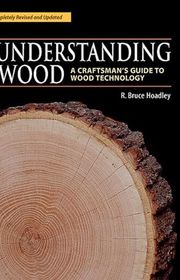
Understanding Wood
For readers puzzled by wood movement and material failures, Hoadley explains the behavior behind familiar workshop rules. The scientific foundation transfers across projects, but it is a technical study rather than a step-by-step construction guide.
What it's about
R. Bruce Hoadley explains wood as a material, connecting its structure with moisture, strength, movement, and working properties. Discussions of selecting, drying, machining, joining, and finishing timber help readers understand why wood behaves differently under changing conditions.

For beginners who prefer practicing techniques through finished furnishings, Carpenter links workshop basics with a broad project collection. The illustrated format supports repeated reference, but readers focused on house framing should choose a more construction-specific guide.
What it's about
Tom Carpenter guides readers from choosing wood and setting up a workshop through cutting, joinery, assembly, and finishing. Illustrated instructions accompany forty-one home-furnishing plans, connecting lessons in tools and techniques with projects that put the methods into practice.

For readers who want the pleasure and culture of a working woodshop alongside projects, Offerman provides an entertaining companion. The mix of voices and humor is appealing, but it is less systematic than a skills manual.
What it's about
Nick Offerman opens the doors of Offerman Woodshop, blending humorous essays, shop lore, and step by step projects to show why woodworking still matters. From spoons to canoes, he celebrates patient craft, mistakes included, and the joy of making things that last.

Graphic Guide to Frame Construction
For readers who understand construction best through drawings, Thallon makes connections and assemblies easier to visualize. The annotated details support planning and discussion, but the book is a reference rather than a complete beginner’s course.
What it's about
Rob Thallon presents annotated drawings of the details used in wood-frame construction. Foundations, floors, walls, stairs, and roofs receive visual explanations, helping builders, architects, and homeowners understand connections, materials, and the structural components of a framed house.

For readers curious about traditional timber framing, Beemer uses one manageable structure to connect individual skills with a complete build. The coherent project is helpful, but adapting it requires more judgment than following a small woodworking plan.
What it's about
Will Beemer teaches traditional timber framing through the construction of a small cabin suitable for a workshop or studio. Photographs, drawings, and instructions follow timber selection through assembly, with advice on modifying the design's size, openings, roof, and layout.

The Complete Manual of Woodworking
A Detailed Guide to Design, Techniques, and Tools for the Beginner and Expert
For readers who want an illustrated reference across tools, materials, and techniques, this manual offers a broad map of woodworking. The range makes it useful for consultation, but it provides less sustained instruction than a dedicated course in one method.
What it's about
Albert Jackson and David Day survey woodworking materials, tools, and techniques in an illustrated reference. Drawings, diagrams, and photographs accompany guidance on choosing woods, using hand tools, and methods including jointing, bonding, fastening, and laminating.
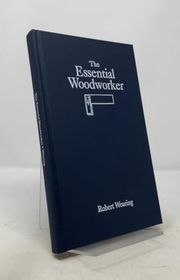
The Essential Woodworker
For learners who want a methodical introduction to hand-tool work, Wearing emphasizes accurate preparation and a clear sequence of operations. The concentrated approach builds transferable habits, but readers seeking power-tool projects may find its scope narrow.
What it's about
Robert Wearing introduces practical hand-tool woodworking through the preparation and construction of solid-wood furniture. Drawings and explanations follow accurate marking, sawing, planing, and joint-making, showing how individual operations fit together in an organized approach to building.

The Visual Handbook of Building and Remodeling
For homeowners and builders comparing materials and assemblies, Wing offers a visual reference across the whole house. The diagrams make relationships clearer, but the breadth means individual carpentry techniques receive less detail than in specialist books.
What it's about
Charlie Wing presents an illustrated reference to residential building materials, dimensions, and systems. Drawings and charts cover construction from foundations through finishing and mechanical equipment, helping readers compare options and understand the relationships involved in building or remodeling a home.

Bob Lang's The Complete Kitchen Cabinetmaker
For readers planning built-in cabinets, Lang connects measuring and design with the shop drawings needed to build accurately. The focused methods suit a substantial project, but they assume more preparation and equipment than a beginner’s small-object guide.
What it's about
Robert Lang explains how to plan, design, and construct built-in cabinetry for kitchens and other rooms. Detailed shop drawings and professional methods cover measuring spaces, choosing materials, preparing cutting lists, and building both traditional face-frame and contemporary frameless cabinets.

Carpentry & Building Construction
For students who want a broad vocational foundation, this textbook connects residential construction knowledge with practical procedures. The systematic coverage supports a course, but its size and classroom orientation may be excessive for a single household project.
What it's about
This illustrated textbook covers residential carpentry, with procedures also applicable to light commercial construction. Detailed discussions of materials, tools, and building processes accompany step-by-step instructions, connecting practical techniques with the knowledge needed to carry out construction work.

For homeowners who want a photographic guide to varied carpentry tasks, Engel makes it easier to locate a method and see the sequence. Its breadth supports reference use, but particular projects still need suitable plans and local checks.
What it's about
Andrew Engel provides a photographic reference to home carpentry, moving from basic tasks to more involved projects. Step-by-step guidance and advice on problems that arise help homeowners understand the work and locate practical information for different stages of construction.

For readers who want a dedicated residential-framing reference, Simpson follows the work through the major structural stages. The illustrations help connect layout with assembly, but methods and details must be checked against local requirements and project plans.
What it's about
Scot Simpson explains residential framing from materials and layout through the construction of floors, walls, roofs, openings, and stairs. Photographs, drawings, and reference tables accompany practical instructions, giving beginning and experienced carpenters a guide to rough-carpentry methods.

DEWALT Carpentry and Framing Complete Handbook
For learners who prefer procedures supported by photographs and diagrams, Brackett gives framing a structured, practical treatment. Its breadth makes it useful to consult, but the emphasis on residential work limits its value for furniture or fine joinery.
What it's about
Gary Brackett introduces residential carpentry and framing through diagrams, photographs, and step-by-step procedures. Foundations, floors, walls, and roofs lead into stairs, railings, porches, and decks, connecting explanations of construction concepts with their practical application on building projects.

For readers who want useful outdoor and homestead projects, Carlsen supplies a wide range of practical things to build. The variety helps match a project to a need, but it is less a progressive course than a collection to consult selectively.
What it's about
Spike Carlsen presents seventy-six building projects for gardens, small farms, and outdoor living. Plans for supports, storage, animal housing, and furniture use basic tools and accessible materials, giving readers practical ways to equip and organize a working homestead.

The Complete Guide to Joint-Making
For readers who want to choose joints with more confidence, Bullar connects their purpose with layout, cutting, and assembly. The focused scope deepens a core skill, but it assumes access to suitable tools and careful practice.
What it's about
John Bullar explains how to choose, design, cut, and assemble woodworking joints suited to their purpose. Guidance on materials, tools, adhesives, and accurate layout accompanies both traditional hand methods and techniques using routers, biscuit jointers, and other machines.

For beginners with limited tools or space, Christiana makes useful projects feel achievable without a fully equipped workshop. The modest starting point is inviting, but the project-led approach gives less coverage of construction-site methods.
What it's about
Asa Christiana introduces woodworking through practical projects made with portable power tools and readily available lumber. Step-by-step instructions emphasize getting started with limited equipment and space, giving beginners ways to build useful objects while developing confidence and basic skills.
Sources









Edited by
Software engineer whose passion for tracking book recommendations from podcasts inspired the creation of MRB.
Lead investor at 3one4 Capital whose startup expertise and love for books helped shape MRB and its growth.
Comments
Spotted a missing book, a wrong order or a mistake? Tell us and we'll fix this page.
We're a reading guide, not the author or publisher, so we can't send books or pass on messages.